
3 Bathroom Habits Ruining Your Plumbing
Let's be honest: nobody thinks much about their plumbing until something goes wrong. You flush, the water goes away, and life moves on. But the little things you do in the bathroom every day can add up, and sometimes they lead to problems that are a lot bigger (and messier) than they need to be.
The tricky part? Some of the biggest culprits are products that seem helpful. They're sold as convenient, easy, even "plumbing-safe."
Let's talk about three common bathroom habits we see in Atlanta homes, why they can cause problems, and what you can do instead to help protect your plumbing and your home.
1. Flushing "Flushable" Wipes
We know. The package says flushable. It feels like that should settle it.
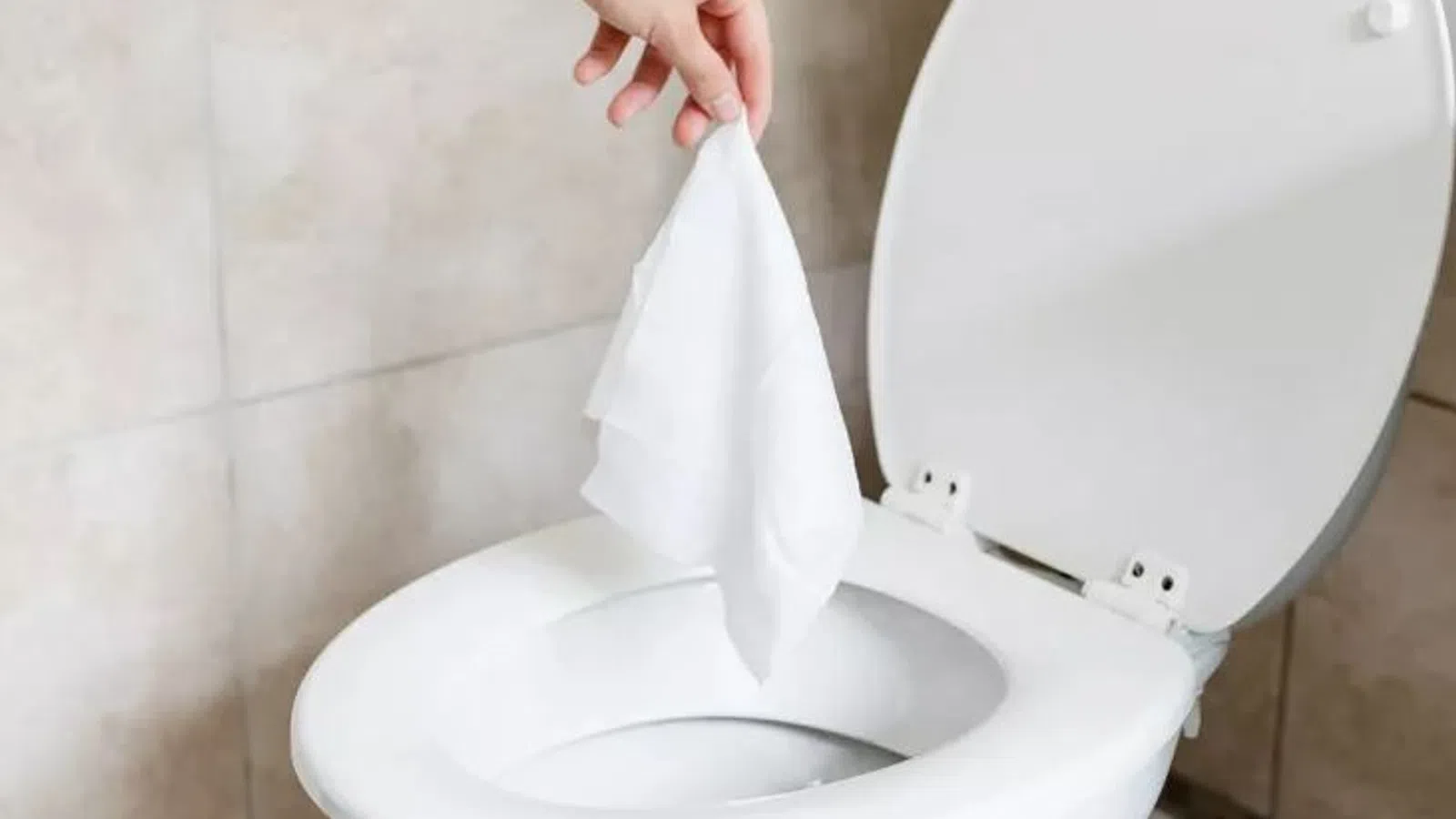
Here's the catch: toilet paper is designed to break apart quickly in water. Wipes, on the other hand, are designed to stay strong when wet. That works well while you're using them, but it can create problems once they enter your plumbing system.
Why Flushable Wipes Can Cause Plumbing Problems
Instead of breaking down like toilet paper, wipes can snag on rough spots inside your pipes, tree root intrusions, or existing grease and buildup. Once caught, other waste can begin collecting around them, gradually creating a larger obstruction.
If that clog forms in your main sewer line, the consequences can go beyond a slow toilet. When wastewater cannot properly leave your home, it may begin backing up through lower fixtures, such as showers, bathtubs, or floor drains.
What to Do Instead
- The Easy Fix: Keep a small trash can with a fitted lid next to the toilet and dispose of wipes there.
- The Rule of Thumb: When in doubt, don't flush it. Your toilet and residential plumbing system are designed to handle toilet paper and human waste.
2. Reaching for Harsh Chemical Drain Cleaners
A slow sink or a shower that leaves you standing in an inch of water is frustrating. It's easy to see why a bottle of chemical drain cleaner is tempting. It promises a quick fix without a phone call.
But repeatedly relying on harsh chemical cleaners may create additional problems instead of addressing what's actually causing the clog.
Why Chemical Drain Cleaners Can Cause Problems
Some chemical drain cleaners generate significant heat as they react with the material causing the clog. Repeated use can put unnecessary stress on pipes, joints, seals, and older plumbing materials.
There's another concern homeowners may not think about: safety.
If the chemicals don't clear the blockage, caustic liquid may remain trapped in the P-trap or drain line. If you eventually call a plumber, that chemical is still there and can present a burn hazard when the drain is opened for service.
What to Do Instead
- For Surface Clogs: Remove visible hair and debris. A simple plastic drain tool may help with certain accessible clogs.
- For Persistent Clogs: If a drain continues to run slowly or repeatedly clogs, have a professional plumber determine what's causing the blockage and recommend the appropriate way to clear the line.
The important thing is to address the cause, not repeatedly treat the symptom.
If you've already poured chemical cleaner into a clogged drain, always tell your plumber before work begins so the technician can take the proper safety precautions.
3. Dropping Cleaning Tablets in the Toilet Tank
Those blue or bleach-based cleaning tablets that sit inside the toilet tank seem like the ultimate shortcut. You drop one in and forget about it, right?
The problem lies in that "forget about it" part.
Why In-Tank Toilet Cleaning Tablets Can Cause Problems
Your toilet tank contains several important components that control water flow, including the flapper, flush valve seal, O-rings, and fill valve.
Leaving these components exposed to concentrated chemicals for long periods of time can cause rubber seals and other internal parts to deteriorate prematurely.
Once those seals stop working properly, water can slowly leak from the tank into the bowl.
And you may not even see it.
Have you ever heard your toilet suddenly refill when nobody has used it?
This is sometimes called a "phantom flush." It can happen when water slowly escapes from the tank, lowering the water level enough for the fill valve to turn back on.
Even a small, continuous leak can waste a significant amount of water over time and increase your monthly water bill.
What to Do Instead
- Skip In-Tank Chemicals: Clean the toilet bowl directly using appropriate, non-abrasive cleaning products designed for plumbing fixtures.
- Listen to Your Toilet: If it runs frequently, refills unexpectedly, or makes unusual hissing noises, don't ignore it. Your toilet may be telling you something needs attention.
Small Plumbing Habits Make a Big Difference
Plumbing problems don't always begin with a dramatic pipe burst or a flooded bathroom.
Sometimes they start small:
- A wipe that doesn't break down and gets caught inside a pipe.
- A drain that keeps getting treated with chemicals instead of properly diagnosed.
- A toilet seal that slowly deteriorates after repeated exposure to cleaning chemicals.
Over time, small plumbing problems can contribute to clogged drains, leaks, sewer backups, water waste, and unnecessary repairs.
Your plumbing is mostly hidden behind walls, under floors, and beneath your home, but problems don't always stay hidden.
Paying attention to small warning signs and changing a few everyday habits can help protect your plumbing system and, ultimately, your home.
When Should You Call a Plumber?
Your plumbing will often give you warning signs that something isn't working properly. Pay attention if you notice:
- Multiple drains slowing down at the same time
- A drain that repeatedly clogs
- Gurgling noises coming from toilets or drains
- Wastewater backing up into tubs or showers
- Persistent sewer odors inside or around your home
- A toilet that runs or refills on its own
- An unexplained increase in your monthly water bill
- Water appearing where it shouldn't
Paying attention to these warning signs can help you address plumbing problems before they become more disruptive to your home.
Your Local Atlanta Plumbing Team at Estes Services
At Estes Services, we believe homeowners should have clear, straightforward information about what's happening inside their homes. A little knowledge and preventive care can go a long way toward protecting one of your biggest investments.
Whether you're dealing with a stubborn drain, sewer line concern, running toilet, or another plumbing problem, an Estes plumber can help identify the cause.
We'll explain what we find in plain language and recommend the right long-term solution, with no pressure and no confusing jargon.
Don't wait for a minor annoyance to turn into a bigger plumbing problem.
Call (404) 366-9620 or schedule your plumbing service online with Estes Services today.
It's that Easy. It's Estes.
Frequently Asked Plumbing Questions
Are flushable wipes really safe to flush?
Wipes do not break apart as quickly as toilet paper and can become caught on buildup, roots, or rough areas inside plumbing pipes. To reduce the risk of clogged drains and sewer lines, dispose of wipes in the trash instead of flushing them.
Can chemical drain cleaner damage plumbing pipes?
Repeated use of harsh chemical drain cleaners can put unnecessary stress on certain pipes, joints, seals, and older plumbing materials. If a drain repeatedly clogs, a professional plumber can determine the cause and recommend the appropriate method for clearing it.
Why does my toilet refill when nobody has used it?
A toilet that periodically refills on its own may have a worn flapper, seal, or another internal component that allows water to slowly escape from the tank. This is sometimes referred to as a phantom flush.
What are signs of a main sewer line clog?
Warning signs can include multiple slow drains, gurgling toilets, wastewater backing up into tubs or showers, and persistent sewer odors. If several plumbing fixtures begin having problems at the same time, a professional plumbing inspection can help determine the cause.
When should I call a plumber for a clogged drain?
Consider calling a plumber when a drain repeatedly clogs, several drains become slow at the same time, wastewater backs up into another fixture, or DIY methods are not solving the problem. Recurring clogs may indicate an issue deeper in the plumbing or sewer line.