
How to Thaw Frozen Pipes Safely in Atlanta Homes
Cold snaps in the Atlanta area may not last long, but when temperatures drop below freezing, water pipes can freeze quickly. Many homes in North Georgia were not built for extended cold weather, which makes plumbing systems especially vulnerable.
At Estes Plumbing Services, we see frozen and burst pipes every winter. Knowing how to thaw pipes correctly can help restore water flow and prevent costly water damage.
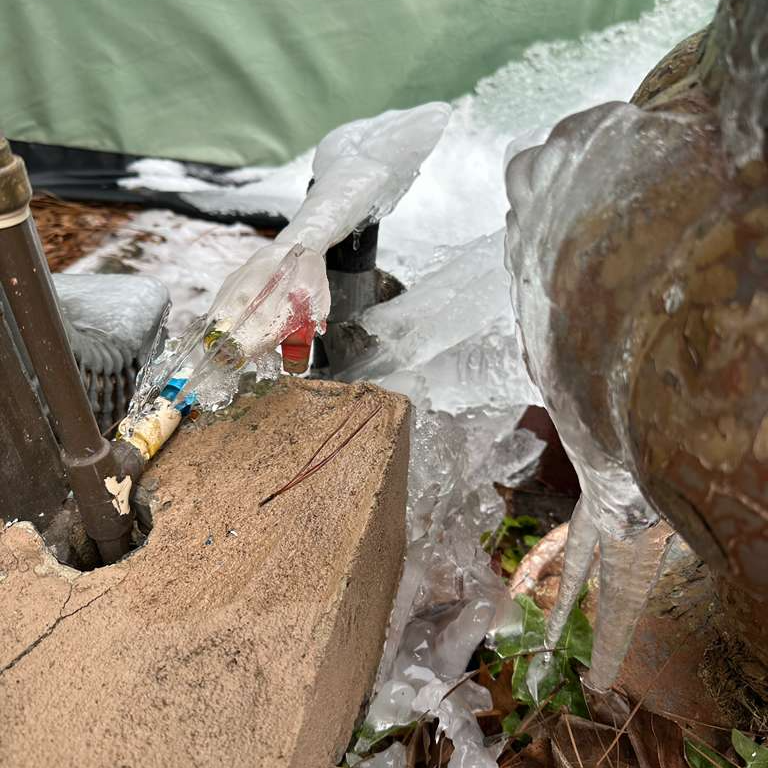
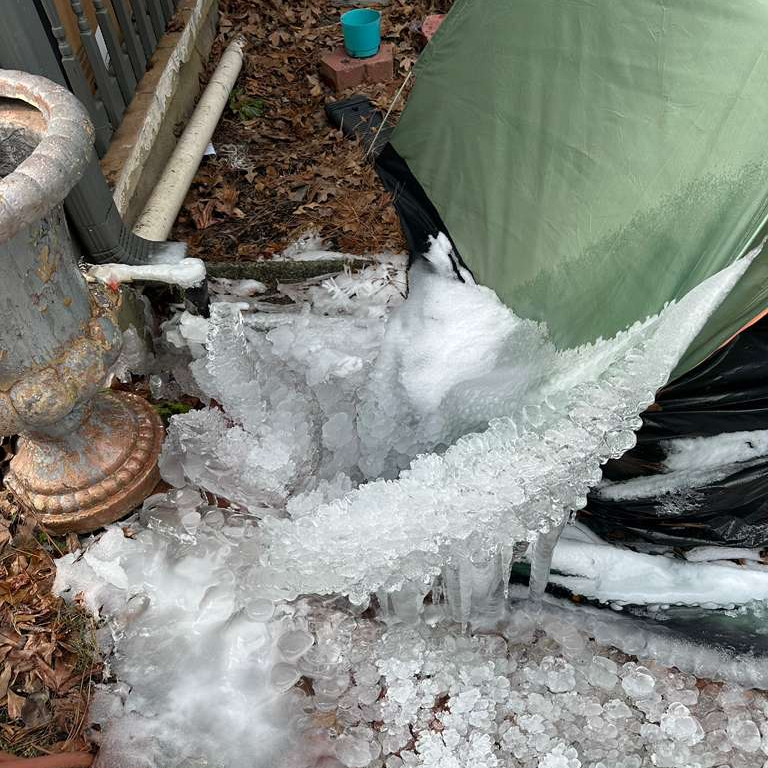
Why Pipes Freeze in Atlanta
Water pipes freeze most often when they are:
- Located near exterior walls
- Found in unheated spaces like basements, crawl spaces, garages, or under sinks
- Exposed to cold outdoor air due to poor insulation or air leaks
The pipes closest to the cold outside air are usually the first to freeze.
How to Tell If a Pipe Is Frozen
Signs of a frozen pipe include:
- No water or only a small trickle from a faucet
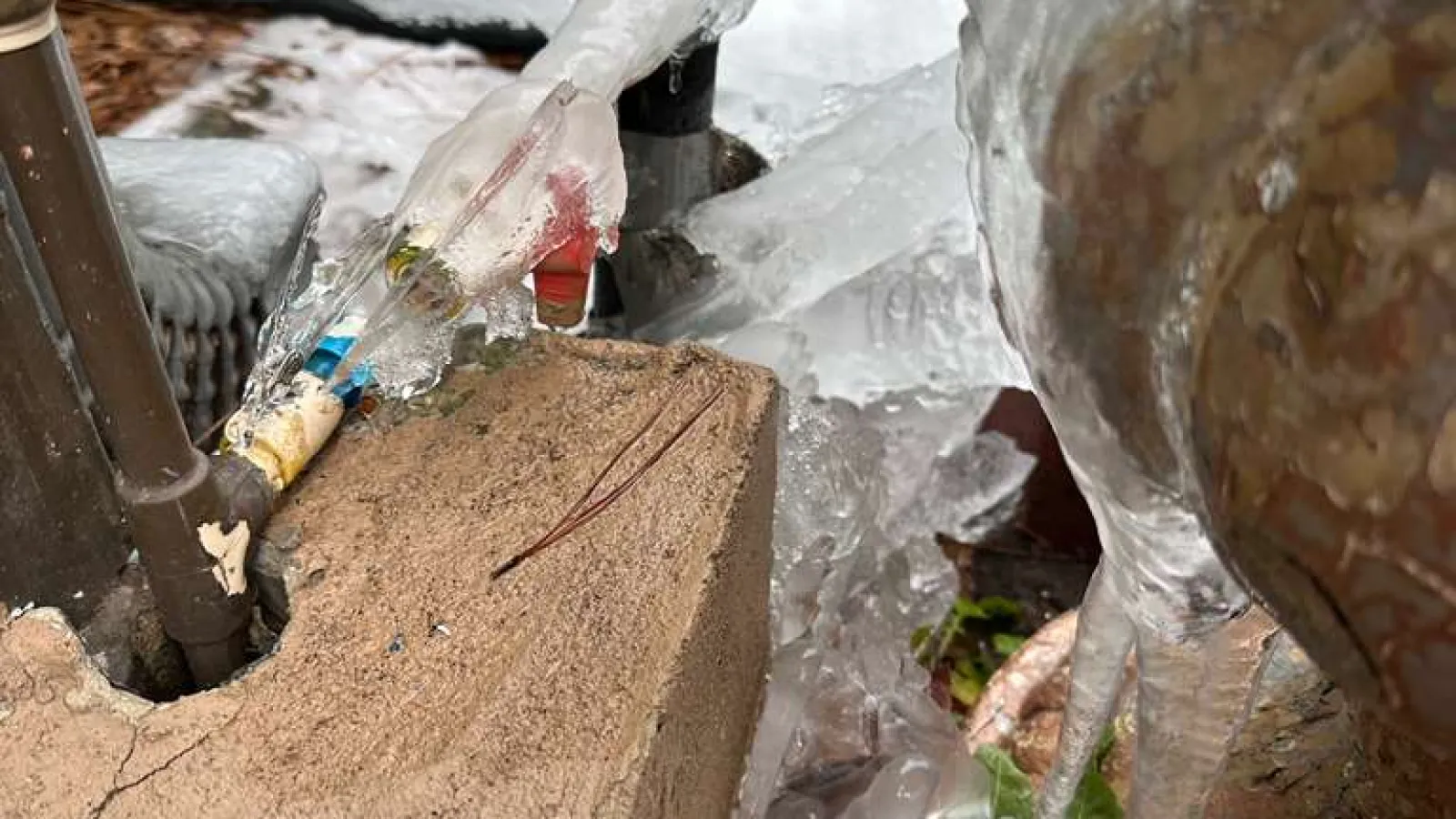
- Frost or condensation on exposed pipes
- Bulging or cracked pipe sections
If one pipe is frozen, others in your home may be at risk as well.
Step 1: Locate the Frozen Pipe
Turn on faucets throughout your home:
- If no water comes out, the pipe feeding that fixture is likely frozen
- Exposed pipes under sinks or in basements may show visible frost
Finding the frozen section is critical before starting the thawing process.
Step 2: Open the Faucet
Before applying heat:
- Open both the hot and cold handles
- This relieves pressure and allows melting water to escape safely
Never attempt to thaw a pipe with the faucet closed.
Step 3: Start Thawing at the Faucet End
Always begin thawing:
- Closest to the faucet
- Then work your way toward the frozen blockage
This prevents trapped steam or ice from building pressure inside the pipe.
Safe Ways to Thaw Exposed Frozen Pipes
Apply gentle, consistent heat using one of these methods:
-
Hair Dryer
- Direct warm air at the pipe, starting near the faucet
- Keep electrical devices away from standing water
-
Space Heater or Heat Lamp
- Place near the frozen pipe for indirect heat
- Follow all manufacturer safety instructions
-
Hot Towels
- Wrap towels soaked in hot water around the pipe
- Reheat towels as needed
-
Electrical Heating Tape
- Designed specifically for pipes
- Available in manual or automatic shut-off options
Continue heating until water pressure returns to normal.
Thawing Pipes Behind Walls or Ceilings
If the frozen pipe is not accessible:
- Turn up the home thermostat
- Use an infrared lamp on the wall where the pipe is located
- As a last resort, carefully remove drywall to access the pipe
If you're unsure, it's best to call a professional.
What NOT to Do
Never use:
- Open flames
- Propane torches
- Boiling water directly on pipes
Excessive heat can cause pipes to expand and burst, worsening the situation.
If a Pipe Bursts
Act quickly:
- Shut off the main water valve immediately
- If needed, call the city to shut off water at the meter
- Contact a professional plumber right away
Knowing the location of your main shut-off valve is essential for every Atlanta homeowner.
When to Call an Estes Professional Plumber
Call a licensed plumber if:
- You can't locate the frozen pipe
- Water is not flowing after thawing attempts
- A pipe has burst
- You don't feel comfortable handling the situation
Professional help can prevent water damage and costly repairs.
How to Prevent Frozen Pipes in the Future
Simple steps that make a big difference:
- Keep your home heated during cold nights
- Let faucets drip slightly during freezing temperatures
- Open cabinet doors under sinks
- Seal air leaks and cracks near plumbing
- Add insulation to exposed pipes
- Disconnect outdoor hoses and shut off interior valves