
"BO KNOWS" ESTES EDUCATION CENTER
Published:
Plumber Near Me: How to Find a Leak in an Underground Water Line
Underground water line leaks often remain hidden until serious damage occurs. Many homeowners do not notice a problem until water bills increase, soil becomes soft, or structural issues appear. Slow leaks can continue for weeks or even months, wasting water and weakening the home's foundation.
Understanding how to find a leak in an underground water line helps homeowners act early and avoid costly repairs. While early awareness is important, professional detection remains the safest and most effective solution. If you are searching for a plumber near me, Estes Plumbing Services offers advanced leak detection and repair services to protect your home.
Why Underground Water Line Leaks Require Immediate Attention
Underground leaks do not resolve on their own. Over time, water erosion spreads, pressure weakens pipes, and damage becomes more expensive to repair. When homeowners recognize warning signs early and contact a professional plumber near them, they prevent emergencies and long-term structural damage.
This guide explains how plumbing professionals locate underground water line leaks, how repairs are completed, and how to reduce the risk of future leaks.
How Professionals Find and Repair Underground Water Line Leaks
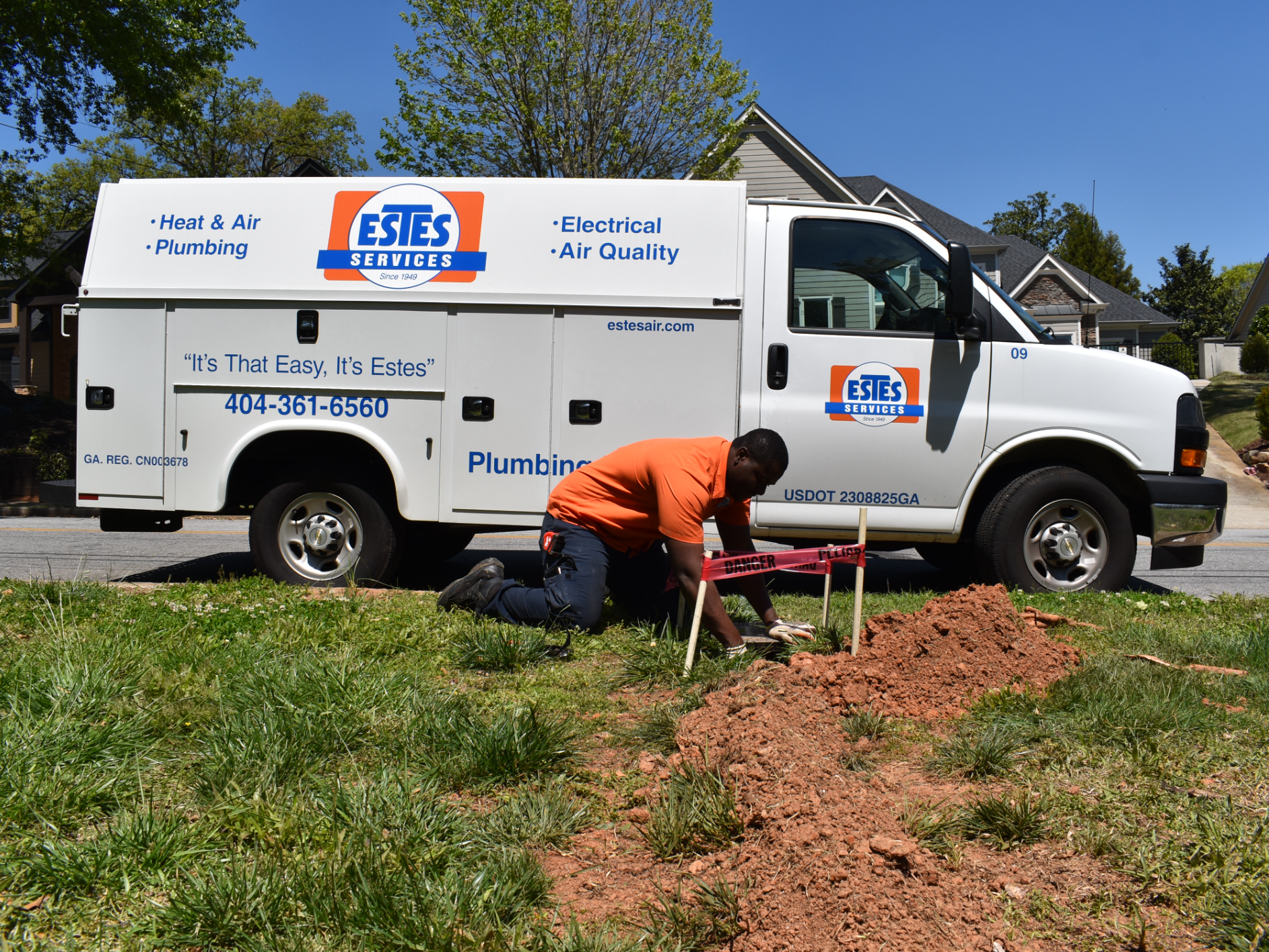
Locating underground water line leaks requires specialized training and equipment. Estes Plumbing Services follows a step-by-step process to accurately locate the issue and apply the proper repair.
Pressure Testing and Leak Confirmation
The first step is pressure testing. The plumber shuts off all water sources and monitors system pressure. If pressure drops, a leak is confirmed. This step ensures repairs are necessary before any excavation or repair work begins.
Locating the Exact Leak Point With Specialized Equipment
Once a leak is confirmed, the next step is pinpointing its exact location. Standard household tools cannot detect underground leaks, which is why professional equipment is essential.
Acoustic leak detectors allow plumbers to listen for the sound of water escaping underground. The sound becomes louder as the detector moves closer to the leak.
Thermal imaging cameras identify temperature differences in the ground. Leaking water creates cooler or damp areas that appear clearly on the screen.
Ground-penetrating radar scans below the surface to map underground pipe locations, depth, and signs of disruption. This technology helps avoid unnecessary digging.
Electronic leak correlators measure sound vibrations traveling through the pipe. The strongest vibration identifies the precise leak location, especially in long water lines.
Accessing the Damaged Pipe Section
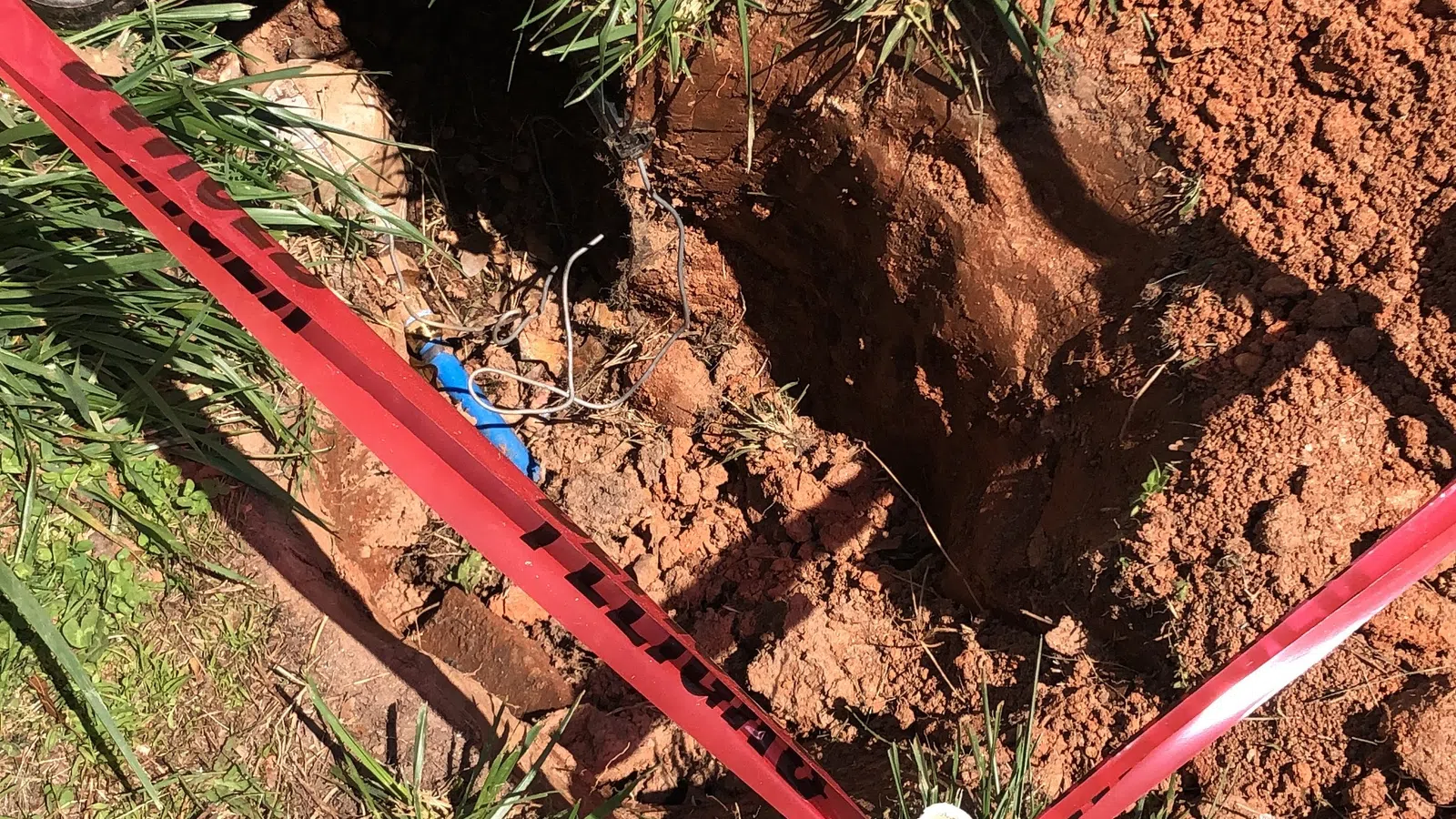
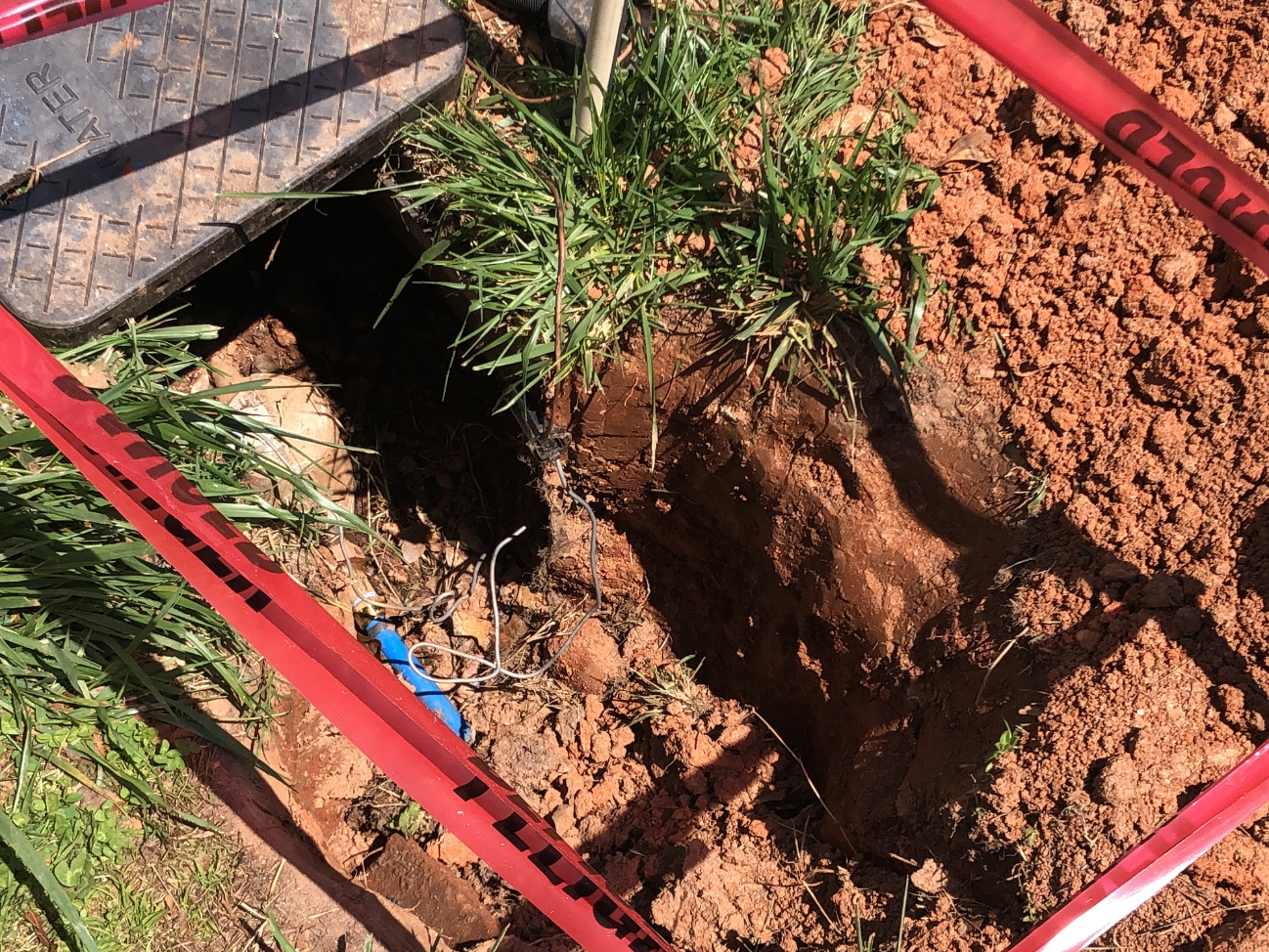
After locating the leak, the plumber determines the best access method. Traditional excavation involves digging directly above the damaged area. In some cases, trenchless repair methods may be used to reduce disruption to landscaping, driveways, and hard surfaces.
Repairing or Replacing the Water Line
Once exposed, the damaged pipe is repaired or replaced. Small cracks may only require a spot repair, while extensive damage or aging pipes may need full replacement. A professional plumber selects the option that supports long-term system performance.
Testing and Restoring the Area
After repairs are complete, the system is pressure tested again to confirm the leak is fully resolved. The area is then restored to minimize visible impact on the property.
How to Prevent Future Underground Water Line Leaks
- Preventive maintenance plays a key role in avoiding underground water line issues.
- Scheduling regular plumbing inspections helps identify early warning signs before they develop into major problems.
- Replacing aging or corroded pipes proactively strengthens the entire plumbing system and reduces the risk of failure.
- Monitoring water usage for sudden increases can reveal hidden leaks early. Acting quickly limits damage and water waste.
- Avoid planting deep-rooted trees near water lines. Roots naturally seek moisture and can damage underground pipes over time.
What Happens If You Have a Water Leak Under Your Slab
- A slab leak is especially serious because it occurs beneath the concrete foundation. Damage continues until the leak is detected and repaired.
- Water weakens concrete over time, leading to cracked floors and foundation movement that can compromise structural stability.
- Moisture trapped beneath the slab creates ideal conditions for mold and mildew growth, which can spread into walls and flooring.
- Underground leaks also increase water and energy bills, especially when hot water lines are involved.
- Over time, water erodes soil around the foundation, causing uneven settling that affects doors, windows, walls, and flooring.
Call Estes Plumbing Services for Underground Leak Detection
Knowing how to find a leak in an underground water line helps homeowners recognize problems early. However, professional detection ensures accurate location and proper repair. If you are searching for a plumber near me, Estes Plumbing Services provides leak detection and water line repair across Metro Atlanta.
If you notice rising water bills, unexplained moisture, soft soil, or unusual plumbing noises, it is important to act quickly. The longer an underground leak continues, the more damage it can cause.
Contact Estes Plumbing Services today to schedule professional leak detection and protect your home from hidden water line damage.
Barry Warrick
Maintenance Manager
Barry Warrick is the Maintenance Manager at Estes Services and a seasoned HVAC and refrigeration professional with more than 30 years of experience in automotive and residential refrigeration systems. A graduate of the inaugural Estes Tech Builder Program class in 2014, Barry has been instrumental in developing the next generation of skilled technicians. As the lead instructor of the Tech Builder Program, he has successfully guided and graduated more than 15 classes, helping launch countless careers in the HVAC industry. With 12 years of hands-on residential HVAC experience, Barry combines deep technical expertise with a passion for mentorship, training, and workforce development.
Related Articles
3 Bathroom Habits Ruining Your Plumbing
How to Get Rid of Drain Flies