
In 2026, homeowners expect more from their heating and cooling systems. A modern air conditioning system should deliver consistent comfort, strong energy efficiency, and better indoor air quality all year long.
With rising energy costs and increasing concerns about poor indoor air quality across the United States, optimizing your HVAC system is more important than ever. If your home struggles with uneven temperatures, poor indoor air, or increasing energy bills, there are proven indoor air quality solutions and efficiency upgrades that can help.
Below are strategic, cost-effective ways to improve HVAC efficiency, enhance your indoor environment, and protect your long-term investment.
Seal and Insulate to Improve HVAC Efficiency
Air leaks allow cooled air to escape in summer and heated air to escape in winter. This forces heating and cooling systems to work harder and increases your energy bill.
Proper sealing and insulation:
• Reduce energy loss
• Improve airflow balance
• Support temperature control
• Strengthen overall energy efficiency
Improving insulation remains one of the most cost-effective ways to improve HVAC efficiency in 2026.
Learn more about heating and cooling systems
Upgrade to HVAC Zoning for Better Temperature Control
HVAC zoning divides your home into separate comfort areas. Each zone operates independently, reducing unnecessary energy use.
Benefits of HVAC zoning include:
• Lower energy bills
• Improved airflow
• Customized comfort in each living space
• Reduced strain on HVAC equipment
Zoning is especially helpful in multi-level homes or properties affected by outdoor air pollution and sun exposure.
Explore professional HVAC installation services
Schedule HVAC Maintenance Services
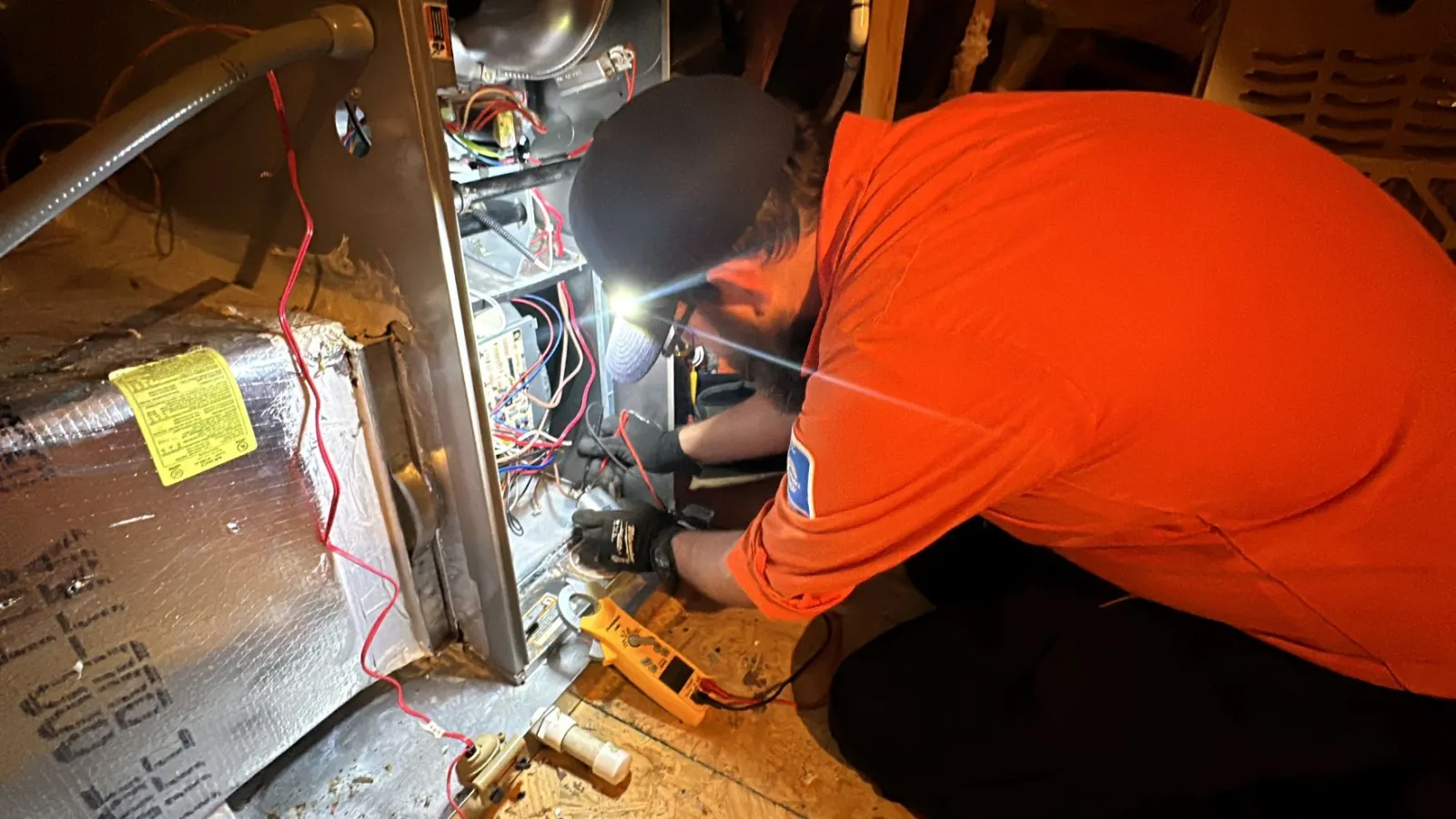
Routine HVAC maintenance services remain essential for energy efficiency and better indoor air quality.
Dirty filters and restricted airflow create poor indoor air conditions and increase system strain. Neglected systems may also create safety risks such as carbon monoxide exposure.
Professional maintenance:
• Improves airflow
• Enhances air conditioning system performance
• Reduces poor air quality
• Prevents increasing energy consumption
• Extends HVAC equipment lifespan
Schedule maintenance here
Install Indoor Air Quality Solutions
Poor indoor air quality affects both comfort and system efficiency. Common causes include outdoor air pollution, allergens, humidity imbalance, and limited ventilation and air conditioning performance.
Installing indoor air quality solutions such as:
• Whole-home air purifier systems
• Advanced air cleaner technology
• Humidity control equipment
• Improved ventilation upgrades
can significantly improve indoor air quality and create a healthier indoor environment.
Explore indoor air quality solutions
Upgrade to Smart Thermostat Technology
Smart thermostats are now a standard part of high-performance HVAC equipment.
They optimize temperature control automatically and reduce unnecessary runtime. This lowers energy bills while maintaining consistent comfort indoors and outdoors.
Smart controls are one of the simplest ways to improve HVAC efficiency without replacing your entire system.
Consider HVAC Installation Services for Long-Term Savings
If your system is over 10-15 years old, a replacement may offer significant improvements in energy efficiency.
New heating ventilation and air systems provide:
• Improved cooled air distribution
• Stronger airflow
• Lower energy costs
• Better indoor air quality
• Reduced long-term maintenance needs
Explore HVAC installation services
Final Thoughts for 2026
Improving HVAC efficiency in 2026 means making smart upgrades that support both energy efficiency and better indoor air quality.
Sealing air leaks, investing in HVAC zoning, scheduling HVAC maintenance services, and installing indoor air quality solutions can dramatically improve comfort and reduce energy costs.
Estes Services provides trusted expertise in heating and cooling systems across Georgia.
It's That Easy; It's Estes.
FAQs About HVAC Efficiency and Indoor Air Quality
What are the best indoor air quality solutions in 2026?
The most effective indoor air quality solutions include whole-home air purifier systems, advanced air cleaners, humidity control systems, and improved ventilation and air conditioning upgrades.
How can I improve indoor air quality without replacing my HVAC system?
You can improve indoor air quality by upgrading filters, installing an air purifier, improving ventilation, sealing air leaks, and scheduling HVAC maintenance services.
What are the top ways to improve HVAC efficiency?
Top ways to improve HVAC efficiency include HVAC zoning, smart thermostat installation, sealing insulation gaps, upgrading airflow components, and regular maintenance.
Does poor indoor air quality affect energy efficiency?
Yes. Poor indoor air quality restricts airflow and forces heating and cooling systems to work harder, increasing energy bills and reducing equipment lifespan.
When should I consider HVAC installation services?
If your air conditioning system is over 10-15 years old, struggles with airflow, or causes increasing energy bills, it may be time to explore professional HVAC installation services.