
How Does a Surge Protector Work?
Every day, your home's electrical system faces small voltage fluctuations that you may not even notice. However, larger spikes in electrical voltage — called power surges — can damage sensitive electronic devices and appliances.
A surge protector is designed to protect your home from these sudden electrical surges. But how does a surge protector work? In this article, we'll break down how these devices keep your home safe and why you should consider installing a whole home surge protector with Estes Services.
What Is a Surge Protector?
A surge protector, also called a surge protective device (SPD), prevents excessive electrical power from reaching your electronics. It diverts extra voltage away from your electrical wiring and sends it safely to the ground.
Surge protectors can be found in two forms:
-
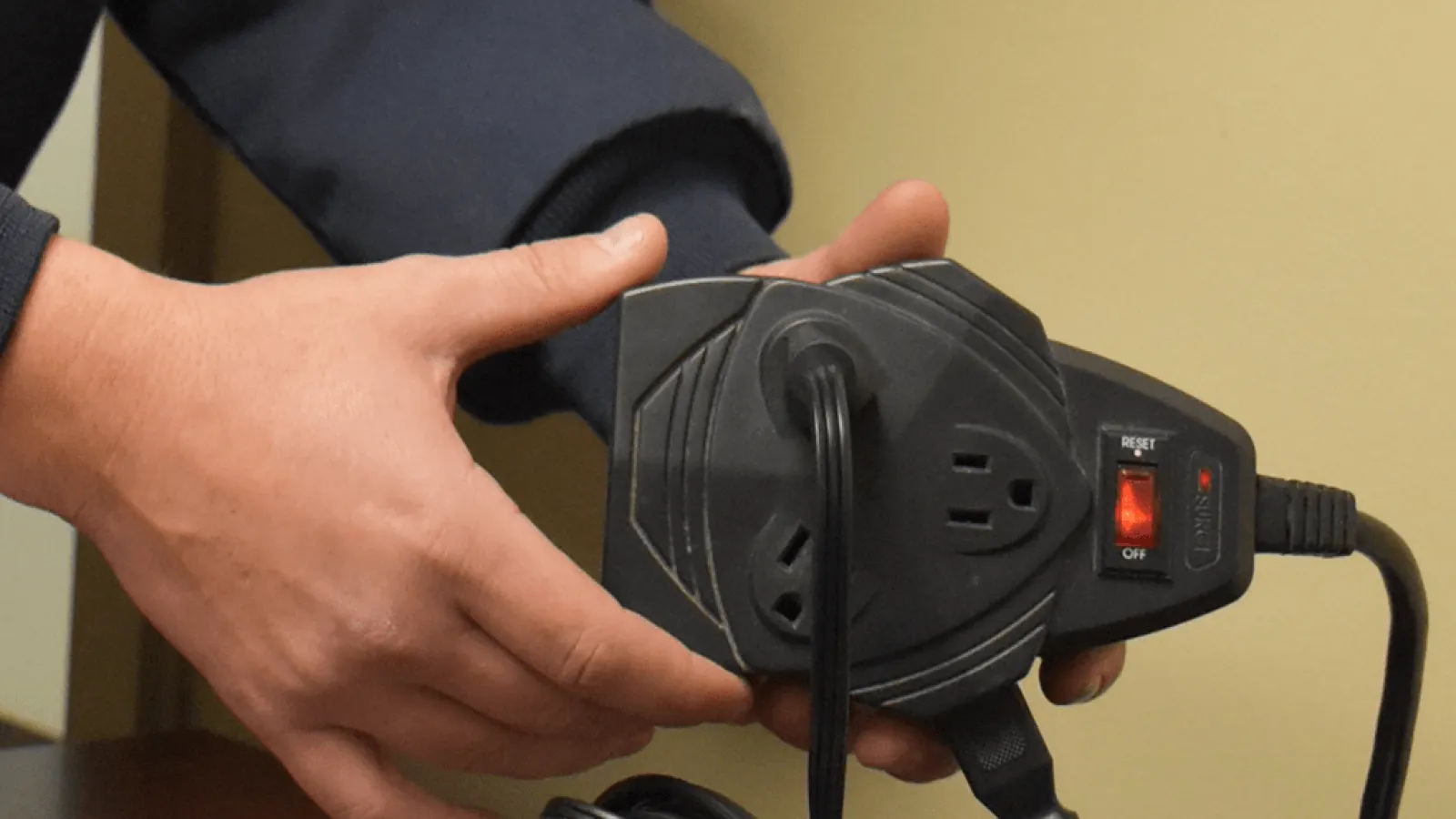
Point-of-use protectors: Plugged into an outlet to shield one or more devices (like computers or TVs).
-
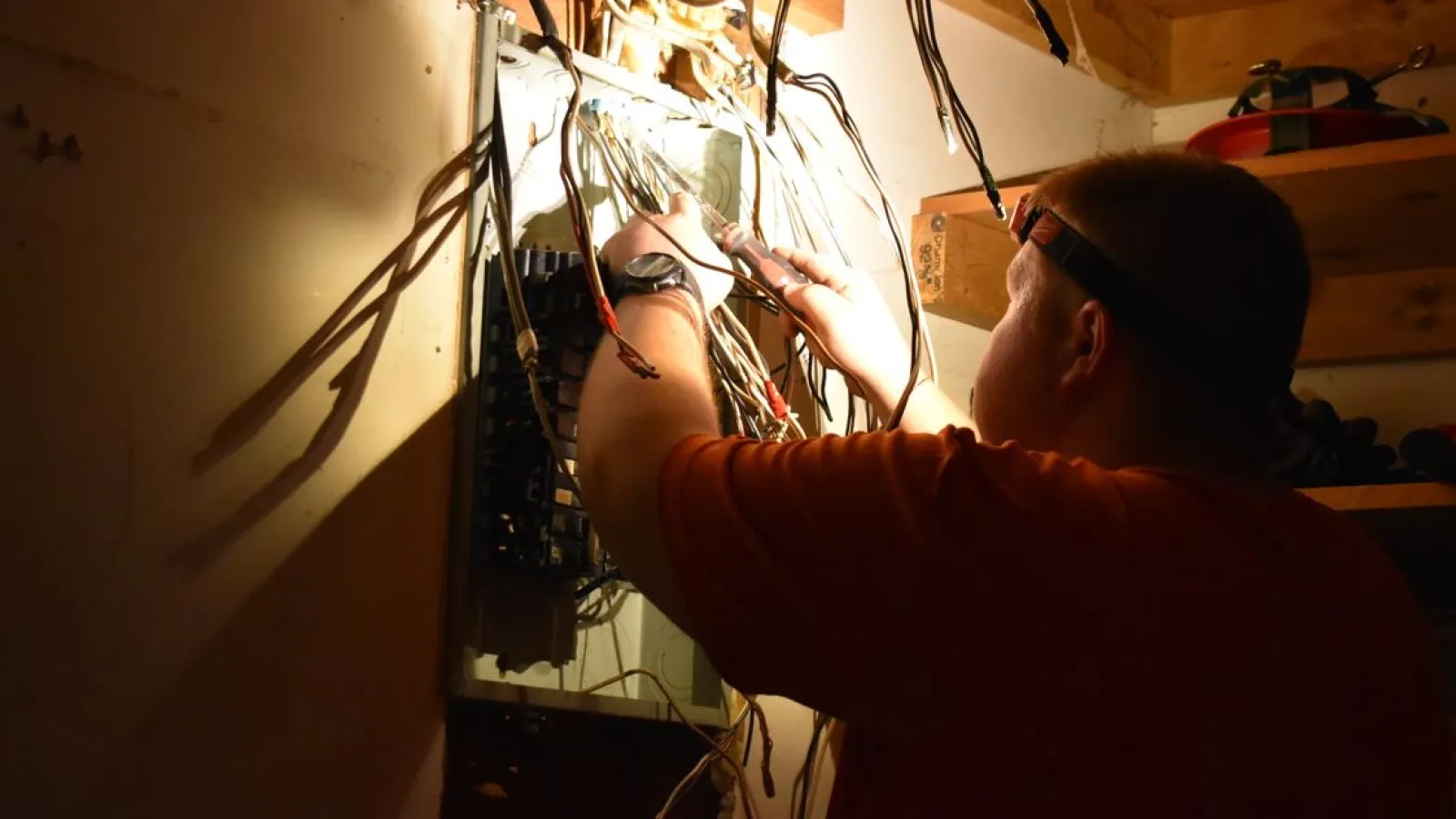
Whole home surge protectors: Installed directly into your electrical panel to defend your entire home from surges that originate inside or outside the property.
Both types provide a critical layer of protection for your electronic equipment and appliances.
How Does a Surge Protector Work?
To understand how surge protectors work, you first need to know what causes electrical surges.
When the flow of electrical voltage suddenly increases — due to lightning strikes, faulty wiring, or problems in the power grid — the surge can send far more than the standard 120 volts through your home's system.
If left unprotected, this spike can cause irreversible damage to electronic devices, overload circuit breakers, or even start electrical fires.
A grounded surge protector uses components like Metal Oxide Varistors (MOVs) to absorb the excess voltage. The MOV detects when the voltage surpasses a safe threshold and instantly redirects the extra energy into the grounding wire — keeping your devices safe.
In short:
-
The protector detects excess electrical voltage.
-
It redirects that voltage through a grounded path.
-
Your devices only receive a stable, safe power supply.
This mechanism is designed to prevent damage and keep your system operating safely under electrical safety standards.
Causes of Electrical Surges
Electrical surges can happen for many reasons — both internal and external:
-
Lightning strikes: Direct hits or nearby strikes can send millions of volts through power lines and electrical panels.
-
Short circuits: Faulty wiring or damaged outlets can trigger sudden surges within your home's electrical system.
-
Power outages: When power is restored after an outage, sudden voltage spikes can occur.
-
Large appliances: Devices such as refrigerators, air conditioners, or washing machines can cause mini-surges when cycling on or off.
-
Faulty electrical work: Improper connections or outdated circuit breakers can allow surges to pass unchecked.
Because these surges are unpredictable, consistent surge protector use is the best defense for your home.
Why You Need a Whole Home Surge Protector
While plug-in protectors safeguard small electronics, a whole home surge protector offers comprehensive protection for every circuit in your house. Installed directly into your electrical panel, it acts as the first line of defense for your home's entire power network.
Benefits of whole home surge protectors include:
-
Protecting all electrical devices and appliances — not just those connected to an extension cord.
-
Meeting electrical safety standards for modern homes.
-
Reducing the risk of short circuits and electric shocks.
-
Preventing costly damage to HVAC units, smart home devices, and computers.
Estes Services installs house surge protectors that protect your home from both internal and external power surges. Learn more about our electrical services and how we can help you stay safe.
Do Surge Protectors Really Work?
Yes — when properly installed and grounded, surge protectors work extremely well. A high-quality protector can respond to voltage spikes in less than a nanosecond, offering protection even during extreme weather.
However, surge protectors can degrade over time due to repeated exposure to electrical surges. For long-term protection, consider scheduling regular electrical maintenanceto inspect your system and ensure your protectors are functioning as intended.
For optimal defense, pair a whole home surge protector with quality circuit breakers and grounding systems. This layered approach provides the strongest protection for your home and electronics.
Choose Estes Services for Electrical Safety and Surge Protection
Since 1949, Estes Services has been Atlanta's trusted partner for electrical safety and home protection. Our licensed electricians install and maintain surge protectors, electrical panels, and circuit breakers that meet the latest electrical safety standards.
We help homeowners prevent costly damage, avoid outages, and extend the life of their electrical systems and devices.
📞 Call (404) 362-6960 or schedule electrical service today to install a whole home surge protector.
It's That Easy; It's Estes.
FAQs About Surge Protectors
1. How does a surge protector work?
It detects excess electrical voltage and diverts it safely into the ground to protect your devices and wiring.
2. Do surge protectors work during storms?
Yes. A whole home surge protector shields your system from lightning-related surges that travel through power lines.
3. How long do surge protectors last?
Typically, they last 3-5 years depending on the number and intensity of electrical surges experienced.
4. Can a surge protector prevent short circuits?
While it doesn't stop a short circuit, it minimizes damage by cutting off excessive voltage quickly.
5. Should I install a whole home surge protector?
Absolutely. It's the most effective way to protect your home, devices, and electrical wiring from unpredictable surges.