
When to Replace Your Circuit Breaker Panel
Your circuit breaker panel is the heart of your home's electrical system. It distributes power, protects your electrical wiring, and prevents dangerous overloads.
If the panel fails, your home is at risk for short circuits, electrical shocks, and even fire hazards.
Many older homes in Metro Atlanta were not designed to handle today's electrical load. Modern appliances, HVAC upgrades, water heaters, and electric vehicle chargers require more power than ever before. When your breaker panel cannot handle that demand, electrical panel replacement becomes a safety necessity — not just an upgrade.
If you suspect a problem, schedule professional electrical services here
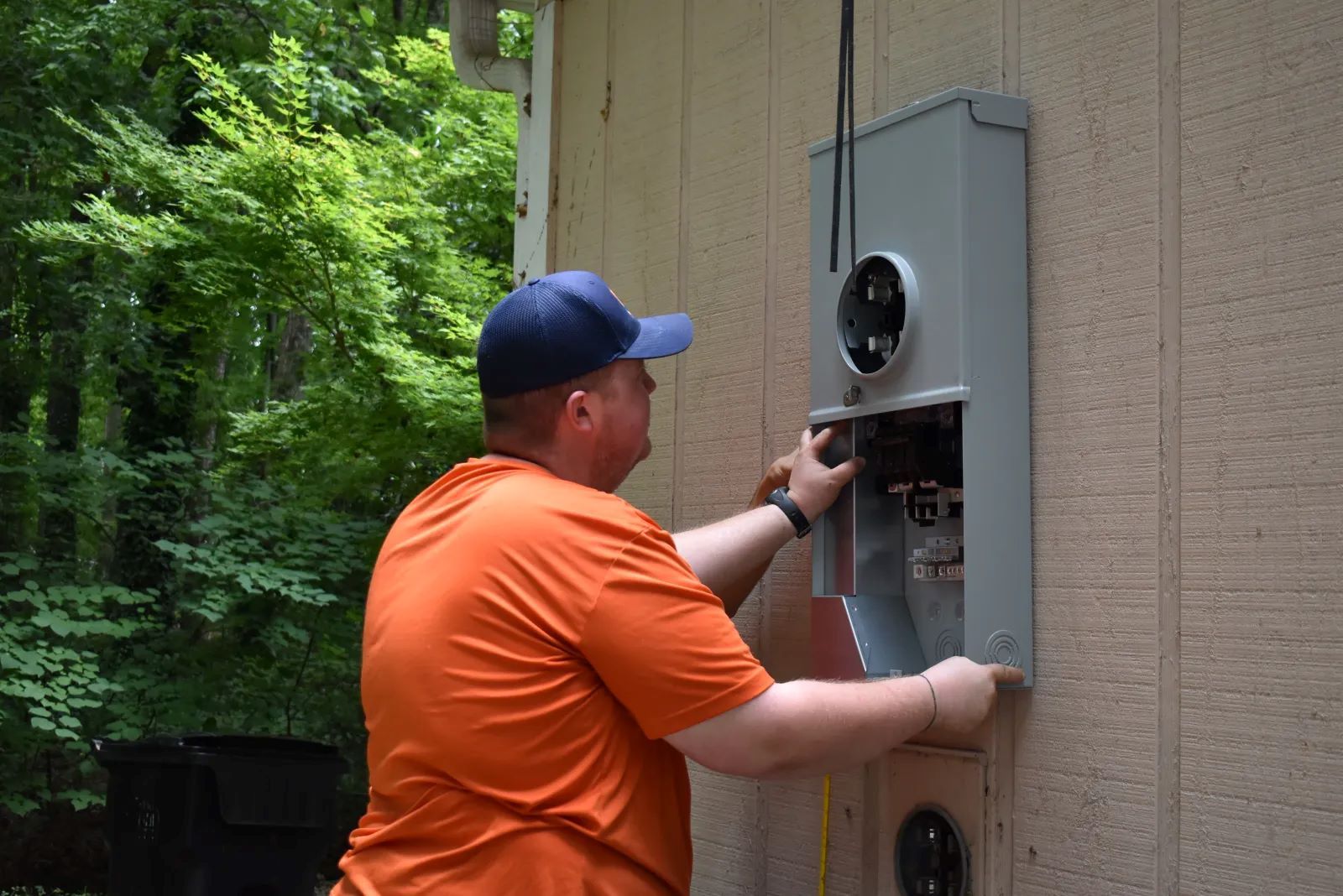
What Does a Circuit Breaker Panel Do?
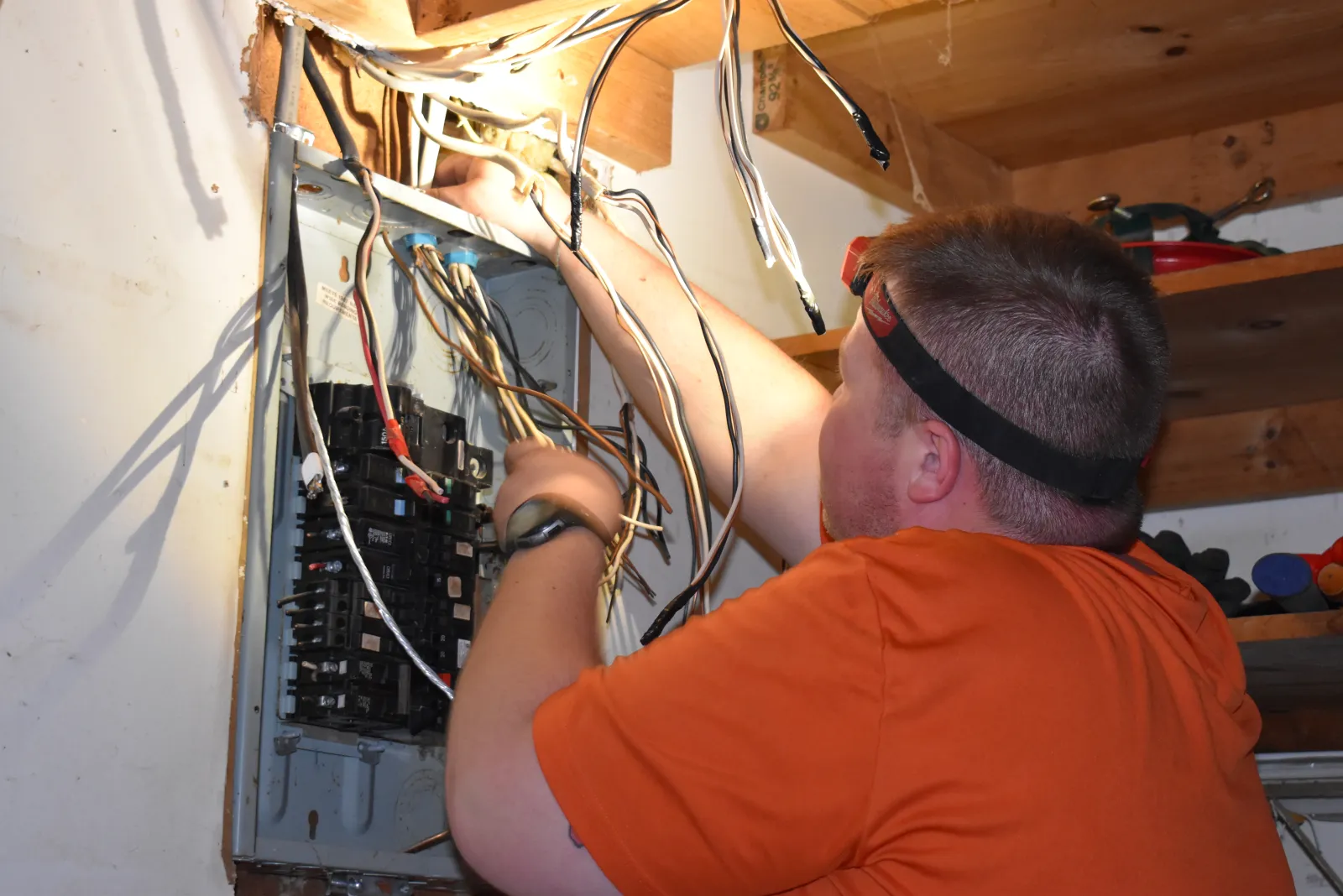
The circuit breaker panel, also called the electrical panel box or circuit breaker box, controls how electricity flows through your home.
Each electrical breaker protects a specific electrical circuit. If too much electricity flows through the wire, the breaker shuts off power immediately. This prevents overheating and protects your home.
Circuit breakers are designed to stop:
• Short circuits
• Ground faults
• Overloaded circuits
• Electrical wiring damage
Occasional breaker trips are normal. Frequent tripping circuits are not.
Warning Signs You May Need Electrical Panel Replacement
Your electric panel often shows clear warning signs before failure. Acting early can protect your home and prevent costly damage.
1. Circuit Breakers Trip Frequently
If your circuit breaker trips often, your panel may be overloaded.
Common causes include:
• Excessive electrical load
• A short circuit
• Ground faults
• Loose electrical wiring
• Faulty circuit breakers
If you recently added appliances or upgraded your HVAC system and breakers trip often, your panel may not have enough capacity.
An electrician can perform a load calculation to determine whether electrical panel replacement is required.
2. Burning Smell or Scorch Marks
A burning smell near your circuit breaker panel is serious. You may also see scorch marks or melted insulation inside the electrical panel box.
These warning signs indicate overheating or damaged wiring. Turn off power and call a licensed electrician immediately.
3. Breakers Feel Hot
Circuit breakers should not feel hot to the touch. Heat may signal:
• A faulty circuit breaker
• A loose connection
• An overloaded electrical circuit
• Aging breaker panels
Older circuit breaker boxes often struggle with modern electrical demands. Electrical panel replacement restores safe performance.
Learn more about panel upgrades here4. Buzzing, Hissing, or Popping Sounds
Breaker panels should operate quietly. Buzzing or popping sounds may indicate:
• Electricity arcing
• Damaged breakers
• Failing wiring
• A short circuit
These issues require immediate professional attention.
5. Flickering Lights and Power Fluctuations
If lights flicker when appliances turn on, your electrical load may exceed panel capacity.
Homes with central air conditioning systems, upgraded heating systems, or high-efficiency water heaters often require larger breaker panels to maintain stability.
When Is Full Electrical Panel Replacement Necessary?
Sometimes replacing a single electrical breaker solves the issue. Other times, the entire circuit breaker panel must be replaced.
Replace your panel if:
• It is 25-40 years old
• Breakers trip constantly
• You smell burning
• You see visible damage
• The panel cannot support increased electrical load
• It does not meet National Electrical Code standards
Upgrading your electric panel protects your home and supports long-term system reliability.
How Electrical Panel Replacement Protects Your Home
A new circuit breaker panel improves:
• Electrical safety
• Protection against short circuits
• Defense from ground faults
• Capacity for modern appliances
• Stability for HVAC systems and water heaters
Properly sized breaker panels distribute electricity evenly and reduce strain on your electrical wiring.
Why Professional Installation Matters
Electrical work should never be DIY. Improper electrical wiring or breaker installation increases the risk of fire and electrical shocks.
Estes Services provides:
• Electrical panel replacement
• Circuit breaker repair
• Electrical wiring inspections
• Ground wire evaluations
• Full electrical safety assessments
Our licensed electricians ensure your home meets National Electrical Code standards while improving safety and performance. Schedule service today
Electrical Panel Replacement in Metro Atlanta
Since 1949, Estes Services has protected homes across Metro Atlanta with professional electrical services.
If your circuit breaker panel shows warning signs, do not wait. Addressing faulty circuit breakers early can prevent major electrical damage and costly repairs.
Call (404) 362-6960 or visit EstesAir.com to schedule service.
It's That Easy. It's Estes.
Frequently Asked Questions
What are the signs of a faulty circuit breaker?
Frequent breaker trips, burning smells, buzzing sounds, hot breakers, and visible damage are common warning signs. These issues may require electrical panel replacement.
Why does my circuit breaker trip repeatedly?
Breakers trip to prevent damage. Causes include overloaded circuits, short circuits, ground faults, and faulty circuit breakers. If the problem continues, have a licensed electrician inspect the panel.
How do I know if my home exceeds electrical load capacity?
If you added new appliances, upgraded your HVAC system, or installed EV charging and breakers trip often, your panel may lack sufficient capacity. A professional load calculation can confirm this.
How long does a circuit breaker panel last?
Most breaker panels last between 25 and 40 years. Older panels may not meet current safety standards or handle modern electrical load.
Is a burning smell from the electrical panel dangerous?
Yes. A burning smell may signal overheating wiring or a short circuit. Turn off power and call a professional immediately.
Can faulty circuit breakers cause electrical shocks?
Yes. If breakers fail to trip properly, they may not protect against overloads or ground faults, increasing shock risk.