
How to Lower Commercial HVAC Costs in Atlanta
High commercial HVAC system expenses can impact the profitability of any business. Rising air conditioning costs, increasing heating and cooling costs, and inefficient equipment often lead to unnecessary spending in commercial buildings.
When HVAC systems are not optimized, businesses experience energy loss, higher repair costs, and poor system performance. Over time, these issues increase total HVAC system cost and reduce efficiency.
The good news is that there are proven strategies to lower commercial HVAC maintenance costs and improve system performance.
In this guide, Estes Services explains how to reduce HVAC unit costs, improve efficiency, and maintain better indoor air quality across your facility.
Learn more about commercial HVAC services
Invest in Commercial HVAC Maintenance
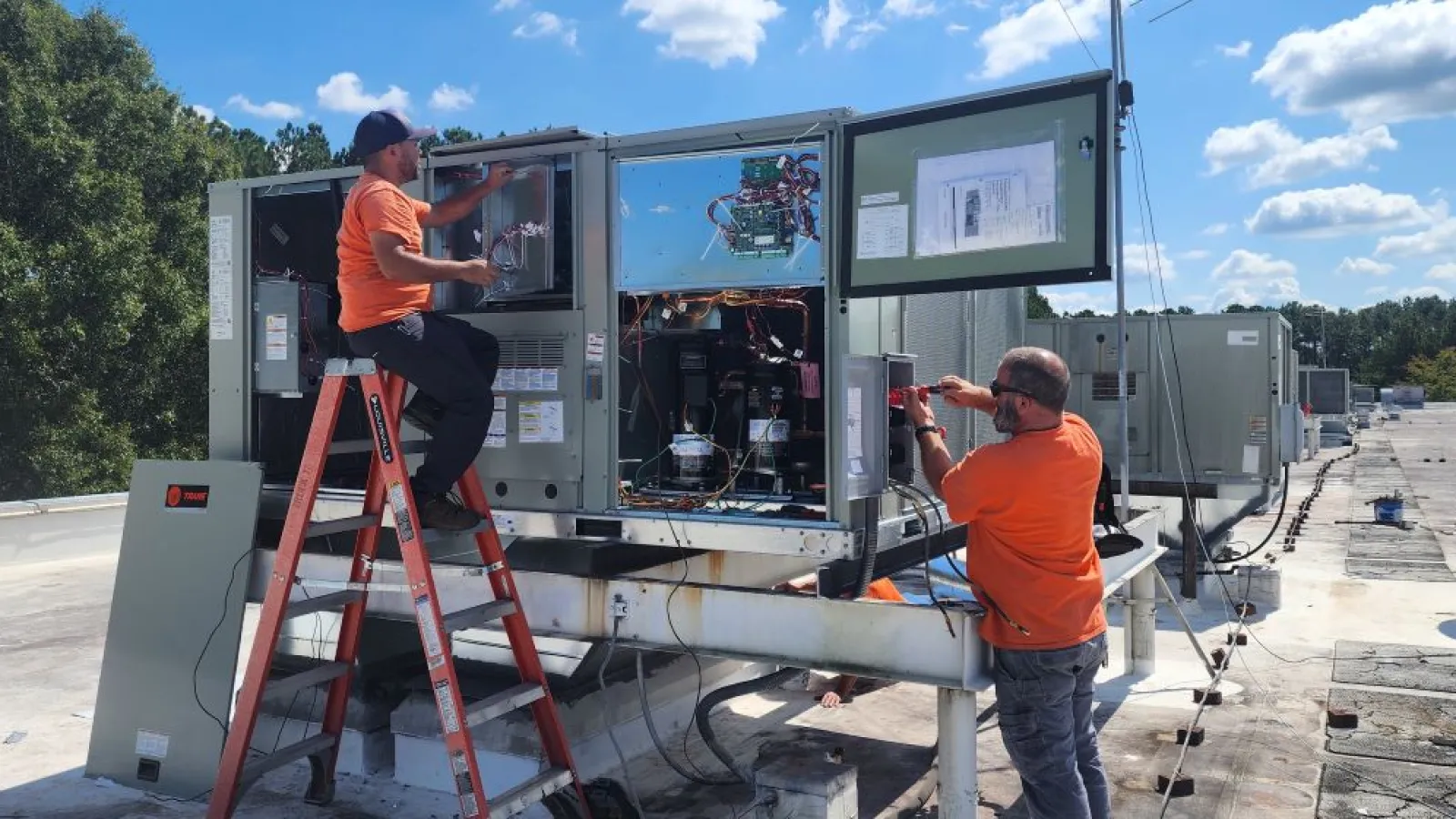
Routine commercial HVAC maintenance is one of the most effective ways to control long-term heating and cooling costs.
Preventive maintenance keeps commercial HVAC systems running efficiently and helps avoid costly breakdowns.
Key maintenance benefits include:
• Improved system efficiency
• Reduced energy costs
• Fewer unexpected repairs
• Longer equipment lifespan
• Better air flowing throughout the building
Regular service includes inspecting components such as the evaporator coil, replacing air filters, and ensuring proper airflow.
Working with a professional HVAC contractor ensures your system receives the care it needs to operate efficiently.
Use a Building Automation System for Better Control
A building automation system is a powerful tool for managing energy use in commercial buildings.
These systems allow facility managers to control temperature, monitor usage, and reduce unnecessary energy consumption.
Benefits of automation include:
• Centralized control system for HVAC operations
• Real-time adjustments to heating and cooling
• Reduced energy loss during off-hours
• Improved comfort in temperature controlled zones
Automation systems can also integrate with heating ventilation and air conditioning systems to improve efficiency across the entire building.
Create Temperature Zones in Your Building
Not every area of a building requires the same temperature.
Zoning allows different areas to be heated or cooled independently, reducing wasted energy.
For example:
• Office spaces may require consistent temperatures
• Storage areas may need minimal heating or cooling
• High-traffic areas may require additional cool air
Zoning systems work with dampers and thermostats to regulate airflow and temperature.
This approach reduces strain on each HVAC unit and helps lower overall heating and cooling costs.
Improve Ductwork to Reduce Energy Loss
Duct systems play a critical role in delivering conditioned air throughout commercial buildings.
Damaged or poorly sealed ducts allow air to escape, increasing energy loss and raising HVAC unit costs.
Common duct issues include:
• Leaks at joints and connections
• Poor insulation
• Inefficient duct design
Sealing ducts improves airflow and reduces wasted energy.
Benefits of duct improvements include:
• Lower air conditioning costs
• Better airflow distribution
• Improved indoor air quality
• Reduced system workload
Efficient duct systems help maintain consistent temperatures and reduce overall operating expenses.
Increase Insulation to Lower Heating and Cooling Costs
Insulation plays a key role in reducing heating and cooling costs in commercial buildings.
Without proper insulation, buildings lose conditioned air and allow outside temperatures to impact indoor comfort.
Improving insulation helps:
• Reduce heat transfer
• Lower energy costs
• Maintain stable indoor temperatures
• Improve system efficiency
Common insulation upgrades include:
• Wall and ceiling insulation
• Pipe insulation
• Window sealing
• Roof insulation improvements
By reducing energy loss, insulation allows HVAC systems to operate more efficiently.
Upgrade to Energy-Efficient HVAC Units
Older heating and cooling units often consume more energy and increase operating costs.
Upgrading to modern systems can reduce HVAC system cost over time through improved efficiency.
Energy-efficient systems offer:
• Lower upfront cost over lifecycle through savings
• Reduced energy consumption
• Improved airflow and system performance
• Better temperature control
Options may include:
• High-efficiency air conditioning units
• Modern split system HVAC setups
• Advanced central air conditioning systems
• Energy-efficient gas furnaces
A professional evaluation helps determine the most cost effective upgrade for your building.
Improve Indoor Air Quality for Better Efficiency
Maintaining good indoor air quality is essential for both comfort and system performance.
Poor air quality can restrict airflow, reduce efficiency, and increase system strain.
Improving indoor air quality helps:
• Reduce airborne contaminants
• Improve airflow
• Enhance occupant comfort
• Support healthier indoor environments
Solutions include:
• High-efficiency air filters
• Advanced ventilation systems
• Air purification systems
• Regular HVAC maintenance
Improved indoor air quality also supports productivity and occupant wellbeing in commercial spaces.
Learn more about indoor air quality solutions
Reduce Commercial HVAC Costs with Estes Services
Lowering commercial HVAC maintenance costs requires a combination of system upgrades, maintenance, and energy management strategies.
Estes Services helps businesses across Atlanta improve efficiency and reduce operating costs.
Our commercial HVAC services include:
• Preventive maintenance programs
• System upgrades and replacements
• Ductwork inspection and sealing
• Building automation system integration
• Indoor air quality improvements
We work with commercial buildings of all sizes to reduce HVAC unit costs and improve system performance.
Learn more about commercial HVAC services
Contact Estes Services Today
If your building is experiencing high air conditioning costs or rising heating and cooling costs, Estes Services can help.
Our experienced technicians evaluate your systems, identify areas of energy loss, and recommend solutions that improve efficiency and reduce long-term costs.
Schedule a consultation today
Frequently Asked Questions
How can I reduce commercial HVAC costs?
You can reduce commercial HVAC costs by investing in commercial HVAC maintenance, improving insulation, sealing ducts, and using a building automation system to control energy usage.
What is a building automation system?
A building automation system is a centralized control system that manages heating, cooling, and ventilation systems to improve efficiency and reduce energy waste.
Why is indoor air quality important in commercial buildings?
Good indoor air quality improves airflow, reduces contaminants, and supports a healthier indoor environment for occupants.
How often should commercial HVAC systems be maintained?
Most commercial HVAC systems should receive maintenance at least twice per year to ensure efficiency and prevent costly repairs.