
Heating Churches in Winter: How to Reduce Costs and Improve Comfort
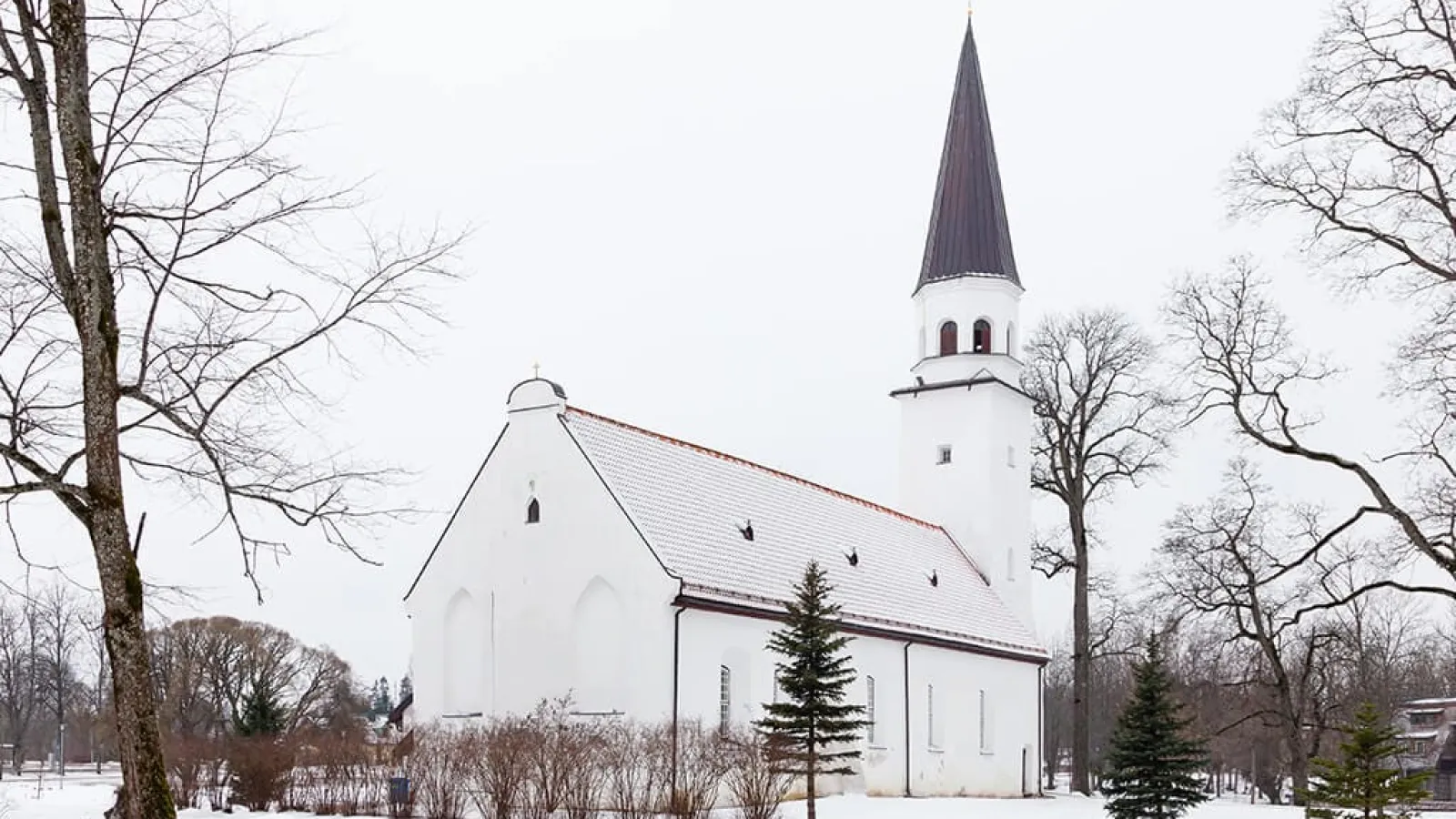
Preparing churches in winter requires a strategic approach. Large spaces, high ceilings, and aging structures make it difficult to maintain a stable air temperature during cold weather.
Without proper planning, churches can experience rising winter heating costs, uneven comfort, and systems that are constantly wasting energy.
By implementing the right commercial HVAC solutions, churches can improve comfort, maintain energy efficiency, and reduce long-term operating expenses.
Learn more about commercial HVAC services
Why Heating Churches in Winter Is Challenging
Church buildings are different from typical commercial spaces. Their design creates unique heating challenges.
Common issues include:
• Large sanctuaries that are hard to heat the air evenly
• High ceilings where warm air rises and stays trapped
• Older construction with insulation gaps
• Irregular usage that leads to inefficient heating or cooling cycles
During extremely cold temperatures, these challenges become more noticeable, leading to higher energy bills and reduced comfort.
Start with Energy-Efficient Heating Systems
Modern heating systems are designed to improve energy efficiency and reduce operating costs.
If your system struggles during extreme cold, it may be time to upgrade.
Energy-efficient systems help:
• Maintain consistent air temperature
• Reduce winter heating costs
• Improve airflow and system performance
• Lower long-term installation costs through efficiency gains
Working with experienced heating and air companies ensures your system is designed for your building's specific needs.
Use Zoned Heating to Reduce Energy Waste
One of the most effective strategies for heating churches is implementing zoned heating.
Instead of heating the entire building, zoning allows you to focus on occupied areas.
Benefits of zoned HVAC systems include:
• Only heating the spaces in use
• Reduced energy bills
• Better comfort control
• Less strain on your system
For example, churches can heat:
• The sanctuary during services
• Offices during the week
• Smaller rooms for meetings
This prevents wasting energy and supports efficient system operation.
Install Smart Thermostats and Automation
Smart thermostats and automation systems improve control over heating schedules.
These systems allow churches to:
• Adjust temperatures based on occupancy
• Reduce heating during off-hours
• Maintain safe temperatures during temperature drops
• Improve overall energy saving
Automation ensures your system only runs when needed, which significantly reduces energy consumption.
Avoid Inefficient Heating Solutions
Many churches rely on temporary solutions like space heaters during winter weather.
While they may provide short-term comfort, they are not a long-term solution.
Drawbacks of space heaters include:
• Increased fire risk
• Higher energy use
• Uneven heating
• Potential carbon monoxide risks (for gas units)
A properly designed system is safer and more efficient for long-term use.
Upgrade to Commercial HVAC Solutions
Modern commercial heating solutions provide better performance and efficiency for large buildings.
Upgrading to advanced commercial HVAC solutions can:
• Improve airflow and heat distribution
• Reduce winter heating costs
• Support better energy efficiency
• Deliver consistent comfort during extremely cold temperatures
Options may include:
• High-efficiency furnaces
• Advanced ventilation systems
• Zoned HVAC configurations
• Integrated heating and cooling systems
These systems are designed to perform in cold weather while minimizing energy waste.
Reduce Energy Loss in Church Buildings
Energy loss is a major driver of high heating costs.
To reduce energy loss:
• Seal gaps around doors and windows
• Improve insulation in walls and ceilings
• Maintain consistent indoor temperatures
• Prevent drafts in large open areas
These improvements help retain heat and reduce strain on heating systems.
Protect Systems During Extreme Cold
During extremely cold temperatures, heating systems must work harder to maintain comfort.
To protect your system:
• Keep temperatures above minimum thresholds
• Monitor system performance regularly
• Ensure proper airflow
• Schedule maintenance checks
Consistent system performance prevents breakdowns and keeps buildings safe.
Reduce Winter Heating Costs with Estes Services
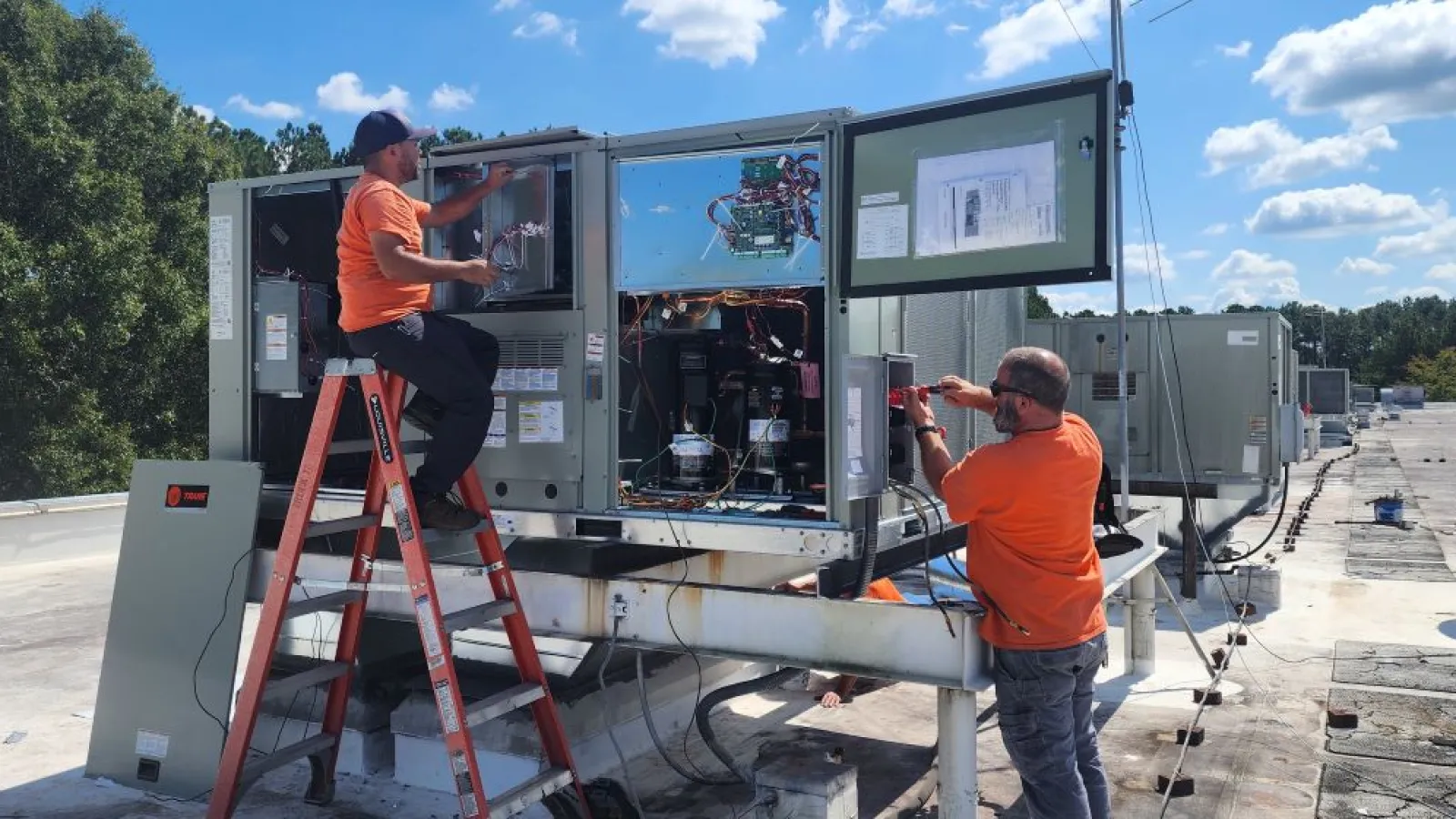
Estes Services provides expert commercial heating solutions for churches and large facilities across Atlanta.
Our team helps:
• Improve energy efficiency
• Reduce winter heating costs
• Design zoned heating systems
• Upgrade outdated heating systems
• Optimize HVAC performance
We work closely with churches to ensure comfort, safety, and cost control during winter.
Learn more about commercial HVAC solutions
Schedule a Consultation Today
If your church is preparing for winter weather, Estes Services can help you reduce costs and improve system performance.
Schedule your consultation today
It's That Easy. It's Estes. Since 1949.
Frequently Asked Questions
What is the best way to heat churches in winter?
The best approach to heating churches is using zoned heating, energy-efficient systems, and smart controls to manage different areas based on usage.
How can churches reduce winter heating costs?
Churches can reduce winter heating costs by improving insulation, using zoned HVAC systems, and installing smart thermostats to avoid wasting energy.
Are space heaters a good option for churches?
Space heaters are not ideal for large buildings. They can increase energy use and pose safety risks. Permanent commercial HVAC solutions are more effective.
Why is zoning important for church heating?
Zoned heating allows churches to heat only the areas in use, which helps reduce energy consumption and improve comfort.
How do commercial HVAC solutions help in extreme cold?
Modern commercial HVAC solutions are designed to perform during extreme cold, maintaining stable temperatures and improving system efficiency.