
Prevent Carbon Monoxide at Your Business
Carbon monoxide (CO) is one of the most dangerous and invisible threats in commercial buildings. Because it is colorless and odorless, carbon monoxide exposure can occur without warning especially during colder months when heating systems and fuel-burning appliances operate continuously.
For facility managers and business owners in Metro Atlanta, carbon monoxide prevention is not optional it is a critical safety responsibility tied to proper system design, regular maintenance, and proactive monitoring.
At Estes Services, we help businesses implement complete safety strategies from carbon monoxide detector installation to commercial heating system maintenance and advanced building automation systems integration. Explore our commercial HVAC services
How Carbon Monoxide Exposure Happens in Commercial Buildings
Carbon monoxide forms when burning fuels such as natural gas, propane, or gasoline do not fully combust. In commercial environments, this risk increases due to complex hvac systems, equipment load, and enclosed operational spaces.
Common Sources of CO in Businesses
• Heating systems and boilers
• Fuel burning appliances
• Gas-powered equipment and forklifts
• Water heaters
• Commercial kitchens and ovens
• Generators during a power outage
• Vehicles running in an attached garage or loading dock
Because CO displaces oxygen in the bloodstream, exposure can escalate quickly.
Symptoms of Carbon Monoxide Exposure
• Headaches
• Dizziness
• Nausea
• Fatigue
• Confusion
• Shortness of breath
In severe cases, exposure can become fatal within minutes. If a CO alarm activates, occupants should evacuate immediately and call 911.
Carbon Monoxide Prevention Strategies for Businesses
Effective carbon monoxide prevention requires a multi-layered approach that combines equipment safety, airflow control, and ongoing system oversight.
Core Prevention Measures
• Professional ventilation system installation
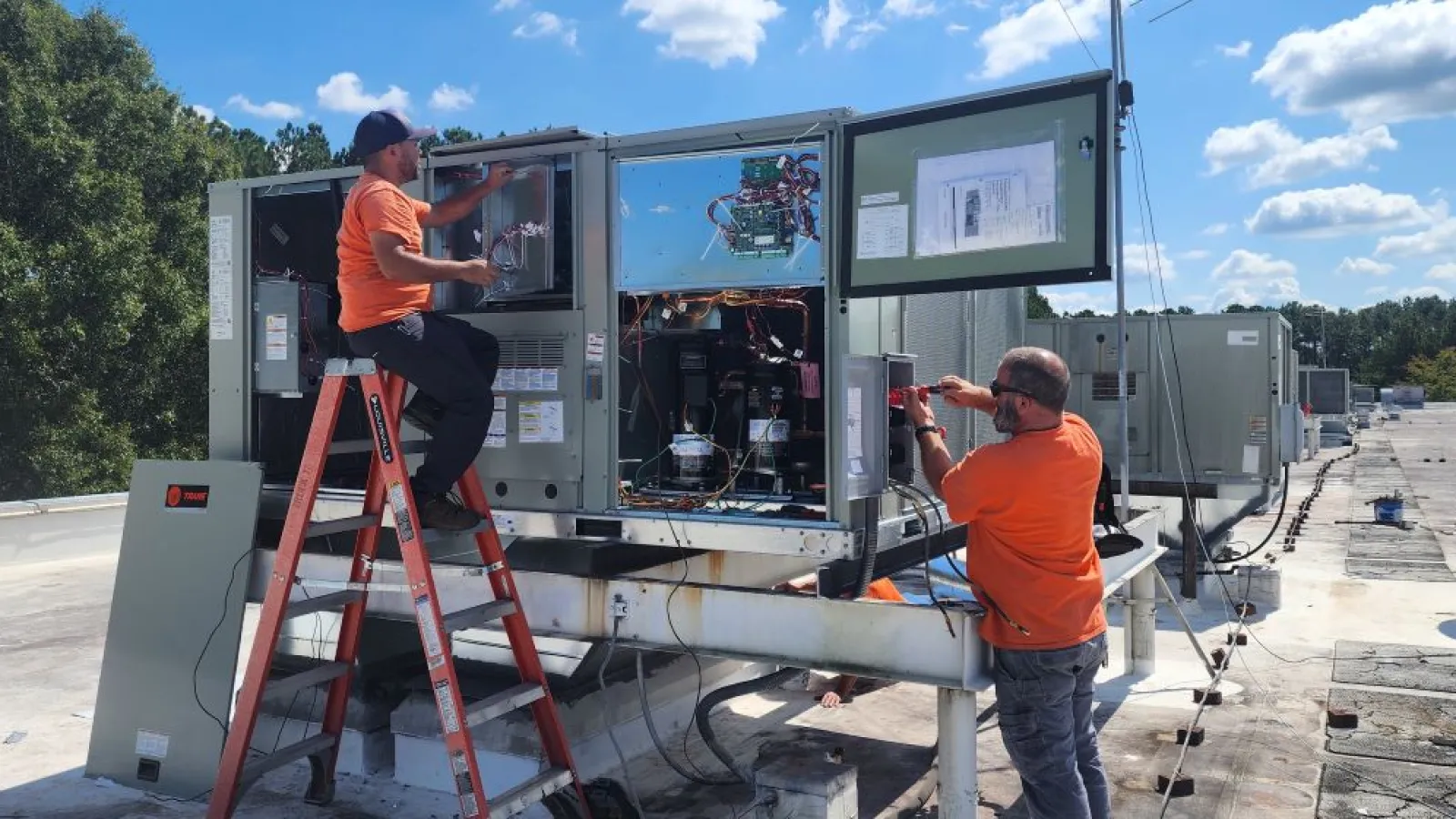
• Routine hvac system maintenance
• Installation of carbon monoxide alarms
• Staff training and emergency protocols
• Monitoring through building automation systems
Ventilation System Installation for Safer Airflow
Proper ventilation ensures that harmful gases are safely removed and replaced with fresh air. Without it, carbon monoxide can accumulate rapidly in enclosed areas.
Best Practices for Ventilation
• Ensure proper installation of exhaust and ventilation systems
• Keep vents, ducts, and air intakes free from debris
• Avoid operating fuel-powered equipment in enclosed spaces
• Maintain airflow in mechanical rooms
• Monitor ventilation performance regularly
A professionally designed ventilation system installation not only improves safety but also enhances indoor air quality and overall system efficiency.
HVAC System Maintenance Reduces CO Risks
Faulty or neglected equipment is one of the leading causes of carbon monoxide leaks. Consistent hvac system maintenance ensures that combustion systems operate safely and efficiently.
Common HVAC Issues That Lead to CO Exposure
• Cracked heat exchanger
• Blocked flue or exhaust vent
• Poor electrical connections
• Dirty condenser coil
• Clogged condensate drain
• Improper installation of heating systems
Why Regular Maintenance Matters
Routine inspections and tune-ups help:
• Ensure safe combustion of fuels
• Prevent leaks from heating systems
• Improve energy efficiency and reduce energy bills
• Extend equipment lifespan
• Identify risks before they escalate
A structured hvac maintenance plan is the most effective way to maintain safety and performance year-round. Explore HVAC maintenance plans
Carbon Monoxide Detector Installation: A Critical Safety Layer
Even with proper maintenance and ventilation, businesses must install CO detection systems to ensure immediate alerts in case of danger.
Where to Install Carbon Monoxide Alarms
• Near all fuel-burning appliances
• Inside mechanical and utility rooms
• In common workspaces
• In any sleeping area (hotels, healthcare, etc.)
• Near attached garages
• Along hallways and high-traffic zones
Modern systems can integrate with building automation systems to provide:
• Real-time monitoring
• Automated alerts
• Emergency ventilation activation
• Remote system control
Professional carbon monoxide detector installation ensures proper placement, calibration, and compliance with safety codes. Schedule installation
Additional Carbon Monoxide Prevention Tips
To further reduce risk across your facility:
• Never use grills or open-flame devices indoors
• Avoid running vehicles in enclosed or attached garage spaces
• Install both a smoke detector and CO alarm system
• Ensure backup power for alarms during a power outage
• Train staff on emergency response procedures
• Keep all equipment accessible for inspection
• Conduct regular facility safety audits
Understanding how to prevent carbon monoxide is essential for maintaining a safe and compliant business environment.
Protect Your Business with Estes Services
At Estes Services, we partner with Atlanta businesses to deliver comprehensive safety and performance solutions. From commercial heating system maintenance to carbon monoxide alarms and advanced HVAC strategies, our team ensures your building operates safely, efficiently, and in full compliance. Schedule your consultation today
We proudly support a diverse range of commercial facilities across Metro Atlanta, including churches and places of worship, medical offices, schools and universities, data centers, pharmaceutical facilities, and real estate portfolios. Our service area covers Buckhead, Midtown, Sandy Springs, Marietta, Roswell, Decatur, and surrounding markets, delivering tailored HVAC, plumbing, and electrical solutions designed to meet the operational, safety, and performance demands of each facility type.
FAQs
What is the safest way to prevent carbon monoxide in a commercial building?
The most effective approach combines hvac system maintenance, proper ventilation, and professional carbon monoxide detector installation.
How often should HVAC systems be inspected?
Commercial systems should undergo regular maintenance at least twice a year, especially before peak heating and cooling seasons.
Where should carbon monoxide alarms be installed?
Install carbon monoxide alarms near fuel-burning appliances, in work areas, and any sleeping area or enclosed space.
Can ventilation alone prevent carbon monoxide buildup?
No. While ventilation system installation is essential, detection systems and maintenance are also required for full protection.
What should employees do if a CO alarm sounds?
Evacuate immediately, avoid re-entry, and call 911 to ensure safety and proper inspection.