
Protect HVAC Equipment from Power Surges
Power surges are not limited to lightning storms—they can happen at any time and often without warning. These sudden spikes in electrical power can cause serious power surge damage to your home's electrical system, including your HVAC system, appliances, and sensitive electrical devices.
For many homeowners, preventing damage just once offsets the investment. More importantly, installing a whole house surge protector delivers long-term peace of mind, protects your cooling system, and helps extend the lifespan of your HVAC equipment.
At Estes Services, we help homeowners safeguard their homes with professional surge protection solutions designed to protect both your electrical panel and your entire home.
What Are Power Surges?
A power surge is a sudden spike in electrical current that travels through your home's electrical circuit. While these surges typically last only a fraction of a second, they can cause immediate or long-term damage to your home's electrical infrastructure.
Many homeowners associate surges with a lightning strike, but most surges actually originate inside the home. These internal power surges occur frequently and gradually degrade your electronic devices, HVAC components, and other critical systems.
From televisions to your air conditioning system, any device connected to your home's electrical network is vulnerable.
What Causes Power Surges?
Power surges can originate from both external and internal sources:
External Causes
- Lightning strikes impacting nearby power lines
- Utility grid fluctuations from utility companies
- Downed lines due to storms or tree damage
- Sudden restoration of power after outages
These events often introduce high voltage into your home, increasing the risk of immediate damage.
Internal Causes
- Large appliances cycling on and off (HVAC, refrigerators)
- Faulty wiring or overloaded electrical panel
- Issues with your home's electric load
- Malfunctioning electrical components
These smaller but frequent electrical surges are the leading cause of long-term wear on your home's systems—especially in older homes.
How Power Surge Damage Affects Your HVAC System
Your heating and cooling system is one of the most vulnerable and expensive systems in your home. Modern HVAC systems rely on advanced electronics, circuit boards, and sensors that are highly sensitive to fluctuations in electrical energy.
When a surge occurs:
- Critical components like capacitors and contactors can fail
- Wiring may overheat or melt due to excess electrical current
- Circuit boards inside your air handler or AC unit may short out
- Systems may trip breakers or completely stop functioning
Even minor surges can accumulate over time, reducing system efficiency and increasing energy bills and repair costs.
If damage occurs, homeowners often face the decision to repair or replace their HVAC system—an expense that can be avoided with proper protection.
Why Standard Protection Isn't Enough
Many homeowners rely on power strips or plug-level surge protection devices, but these only protect individual electronic devices and do not address surges entering through your main electrical system.
They also cannot handle:
- Large-scale surges from long distance grid issues
- Voltage spikes affecting your HVAC equipment
- Whole-home electrical fluctuations
True protection requires a centralized solution at the source.
The Role of a Whole House Surge Protector
A whole house surge protector is installed directly at your electrical panel to protect your entire home. It acts as a gatekeeper, redirecting excess voltage safely into the ground before it can damage your systems.
Benefits include:
- Protection for your entire home's electrical network
- Extended lifespan of your HVAC system and appliances
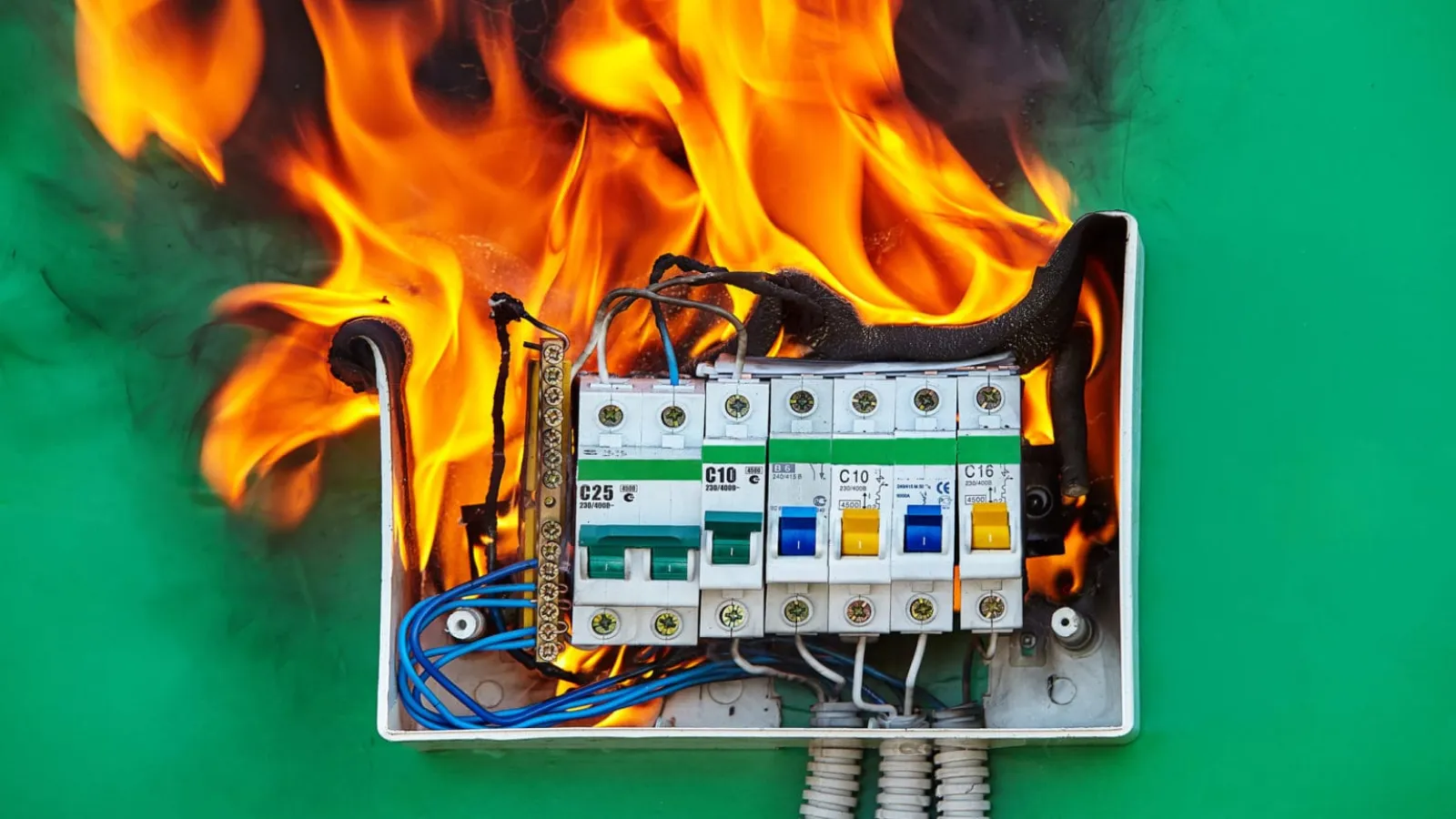
- Reduced risk of fire caused by overheating or arcing
- Improved system stability and performance
- Lower long-term repair and replacement costs
This is one of the most effective protective devices homeowners can install.
Protect Your HVAC System and Home
Investing in home surge protection is not just about avoiding damage—it's about ensuring your home runs efficiently, safely, and consistently.
At Estes Services, our licensed technicians evaluate your home's electrical system, assess your current setup, and recommend the right surge protection solution tailored to your needs.
Defense Against Power Surges from Estes Services
Protect your home, your HVAC equipment, and your comfort.
Explore professional solutions for:
- HVAC installation and system upgrades
- Electrical panel upgrades and safety solutions
- Heating and cooling system services
FAQS
What is the main cause of power surge damage in homes?
While lightning strikes are a known cause, most damage comes from internal power surges generated by appliances and fluctuations in your home's electrical system.
Does a whole house surge protector protect HVAC systems?
Yes. A whole house surge protector shields your HVAC system, including your cooling system and air handler, from damaging voltage spikes.
Can power surges increase energy bills?
Yes. Damaged HVAC components and inefficient operation caused by surges can increase energy bills and reduce system performance.
Are power strips enough for surge protection?
No. Power strips only protect individual devices and do not prevent surges affecting your electrical panel or major systems like HVAC.
How do I know if my home needs surge protection?
If you live in an area with frequent storms, have an older electrical system, or rely heavily on modern electronics and HVAC systems, installing a home surge protection solution is highly recommended.