
HVAC Systems Service for Air Quality, Safety
Air Quality, Comfort, and Safety for HVAC Systems
Winter brings more than colder weather and holiday gatherings—it also increases the risk of fires and carbon monoxide (CO) leaks. That's why this season is the perfect time to focus on HVAC system safety and indoor air quality.
Smoke and carbon monoxide can put your home and family at serious risk. Testing your detectors regularly and scheduling HVAC maintenance with Estes Services ensures you stay safe, warm, and protected all winter long.
Test Your Smoke and Carbon Monoxide Detectors
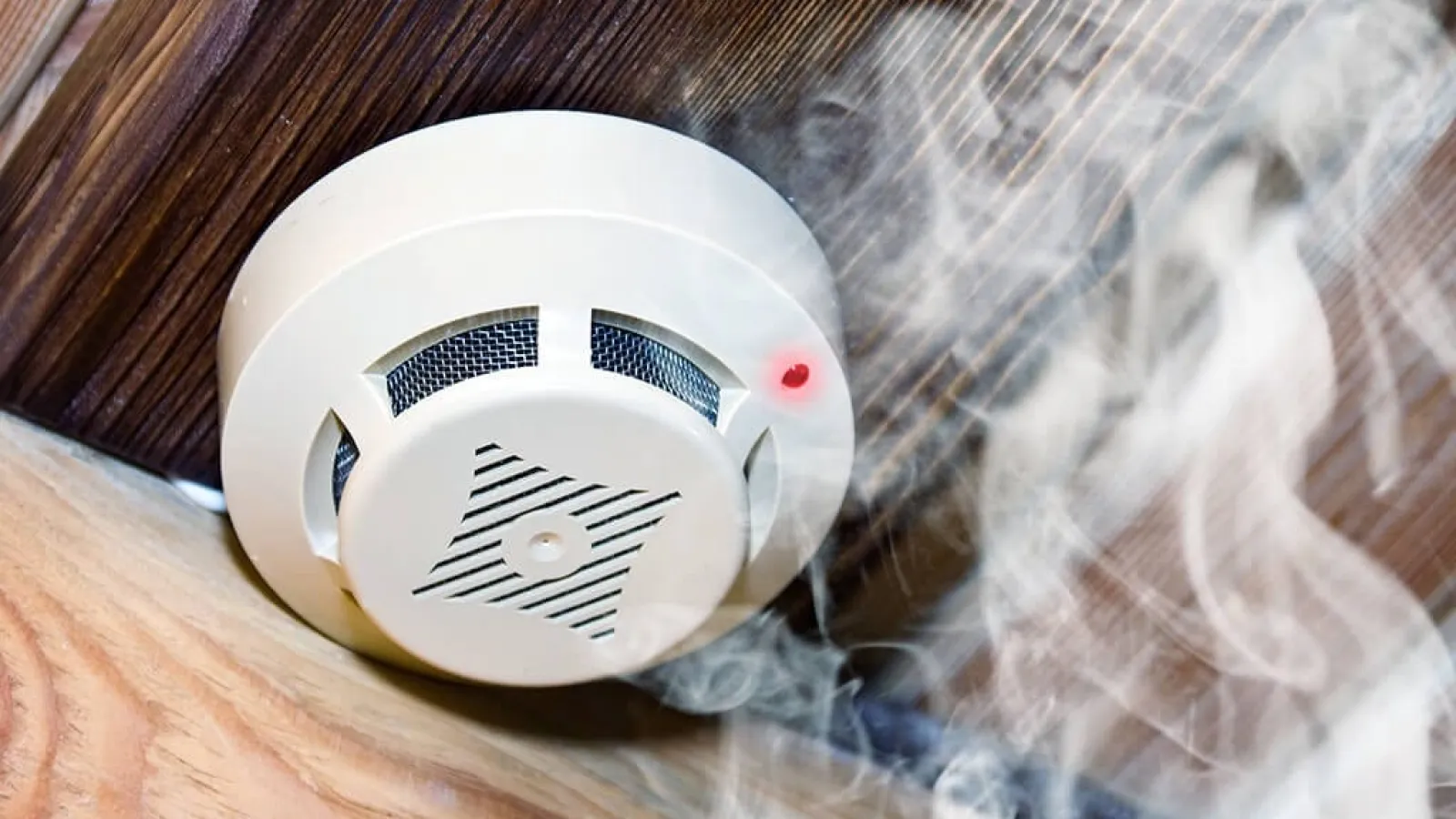
Your smoke and CO detectors are your first line of defense against invisible threats.
If it's been a while since you last checked them, now is the time to test and replace batteries.
Need help? Our NATE-certified technicians can install new detectors, recommend proper placement, and confirm that your furnace is not leaking carbon monoxide.
If we detect a malfunction, we'll alert you immediately and guide you through the next steps for repair or replacement.
Protect your family with professional HVAC system service from Estes Services. It's that Easy; It's Estes!
The Importance of Early Detection
Early detection can make all the difference in a fire or CO emergency.
Smoke detectors are designed to identify danger before it becomes deadly, giving you and your loved ones time to act.
According to the Consumer Product Safety Commission, nearly 2,000 people die in residential fires each year.
Many of these fires occur at night while residents are sleeping—before they realize smoke or gas has filled their home.
A working smoke detector sounds a sharp, unmistakable alarm that alerts you to danger in time to escape.
Carbon monoxide, on the other hand, is a colorless, odorless, and poisonous gas that causes over 150 deaths annually in the U.S.
CO detectors continuously monitor indoor air and sound an alarm when carbon monoxide levels become hazardous.
Common Sources of Carbon Monoxide Leaks
This dangerous gas is produced whenever fuel burns. Common household sources include:
HVAC systems and furnaces
Portable generators
Gas appliances and space heaters
Wood-burning stoves and fireplaces
Unvented or poorly vented fireplaces
Kerosene heaters
Damaged or leaky chimneys
Because these leaks can be difficult to detect, scheduling seasonal HVAC maintenance is essential for prevention.
Schedule Maintenance on HVAC Systems
Testing your smoke and carbon monoxide detectors is a good start—but your HVAC system also plays a key role in home safety.
Scheduling preventive maintenance with Estes Services helps minimize the risk of CO leaks and electrical fires.
During a heating system tune-up, our technicians:
Inspect for cracks or corrosion where CO can escape
Tighten and lubricate electrical connections and moving parts
Check ventilation systems and exhaust flues for blockages
Test all components for safe, efficient operation
Small issues like loose connections or clogged vents can create safety hazards. Our experts identify and repair these problems early—helping protect your family and keeping your heating system running reliably all season.
Your Family's Safety Is Our Priority
At Estes Services, your comfort and safety come first.
Our licensed, NATE-certified technicians have the experience and training to identify risks, repair malfunctions, and ensure your system operates safely through winter.
Take the first step toward peace of mind—
📞 Call (404) 362-6960 or schedule HVAC maintenance online today.
Because your family's safety matters. It's that Easy; It's Estes.
Frequently Asked Questions
How often should I test my smoke and carbon monoxide detectors?
It's recommended to test both devices at least once a month and replace the batteries twice a year. During your HVAC maintenance visit, our technicians can also test your detectors for proper function and placement.
Can my furnace leak carbon monoxide?
Yes. A cracked heat exchanger or damaged venting system can allow carbon monoxide to escape into your home. Regular furnace inspections detect these problems early and ensure safe operation.
What are the signs of carbon monoxide exposure?
Common symptoms include headache, dizziness, nausea, confusion, and shortness of breath. If you suspect exposure, leave your home immediately and call emergency services before contacting Estes Services for a full inspection.
What maintenance helps improve air quality and safety in winter?
Seasonal HVAC tune-ups, filter changes, and indoor air quality testing can reduce pollutants, prevent system strain, and minimize carbon monoxide risks.
Does Estes Services offer maintenance plans?
Yes. Our Maintenance Membership Plans include biannual system tune-ups, priority scheduling, and discounts on repairs—helping you maintain efficiency, safety, and comfort all year long.