
Tree Root Damage in Sewer Lines: Causes, Signs, and Repair Solutions
Tree roots are one of the most common causes of sewer line damage in residential plumbing systems across the United States. Roots naturally grow underground searching for reliable water sources. Sewer systems often provide the moisture and nutrients they need, making pipes an easy target for root growth.
When roots enter a pipe through small cracks or loose joints, they begin expanding inside the piping system. Over time, the root system can block wastewater flow and create serious plumbing problems such as slow drains, sewer odors, and pipe blockages.
If the issue is not addressed early, root growth can lead to structural damage in the pipe and eventually cause water damage inside the home. Understanding how tree root damage develops can help homeowners detect problems early and avoid costly plumbing repairs.
If you suspect sewer line issues in your home, explore professional plumbing services from Estes Services
How Tree Roots Affect Sewer Systems
Tree roots expand underground in search of water sources. Sewer systems transport wastewater from sinks, showers, toilets, and appliances such as washing machines, which makes these pipes attractive to root systems.
Even a small crack in a damaged pipe can allow roots to enter the piping system. Once inside, roots grow quickly as they absorb moisture and nutrients from the wastewater moving through the pipe.
As root growth continues, debris and waste materials begin to collect around the roots. This buildup gradually blocks the pipe and creates sewer line issues throughout the home.
Because sewer lines connect multiple fixtures, a blockage can affect sinks, showers, toilets, and laundry drains at the same time. If the blockage worsens, it can eventually lead to sewer line replacement.
Common Plumbing Problems Caused by Root Growth
A tree root problem often develops slowly. Homeowners usually notice early warning signs before the situation becomes severe.
One of the most common symptoms is slow drains throughout the home. Water may drain slowly from sinks, tubs, or showers because the sewer pipe is partially blocked.
Another common indicator is a strong sewer smell or foul odor inside the home. These odors occur when sewer gases escape through blocked pipes.
Homeowners may also hear gurgling sounds from plumbing fixtures. This happens when wastewater struggles to pass through the blocked pipe.
Outside the home, patches of grass above the sewer line may appear greener or grow faster. This can indicate underground sewer line damage caused by root growth.
Ignoring these warning signs can allow the problem to worsen and eventually cause major pipe repair needs.
Professional Methods to Remove Tree Roots from Sewer Pipes
Removing roots from sewer pipes requires specialized equipment and professional experience. Many store-bought drain cleaners cannot remove the entire root system and may damage the piping system.
Professional plumbers use several proven methods to restore sewer systems and clear root blockages.
Hydro Jetting
Hydro jetting uses powerful streams of high-pressure water to remove root growth, grease buildup, and debris inside the pipe. This cleaning process restores water flow and helps maintain the interior of sewer systems.
Mechanical Root Cutting
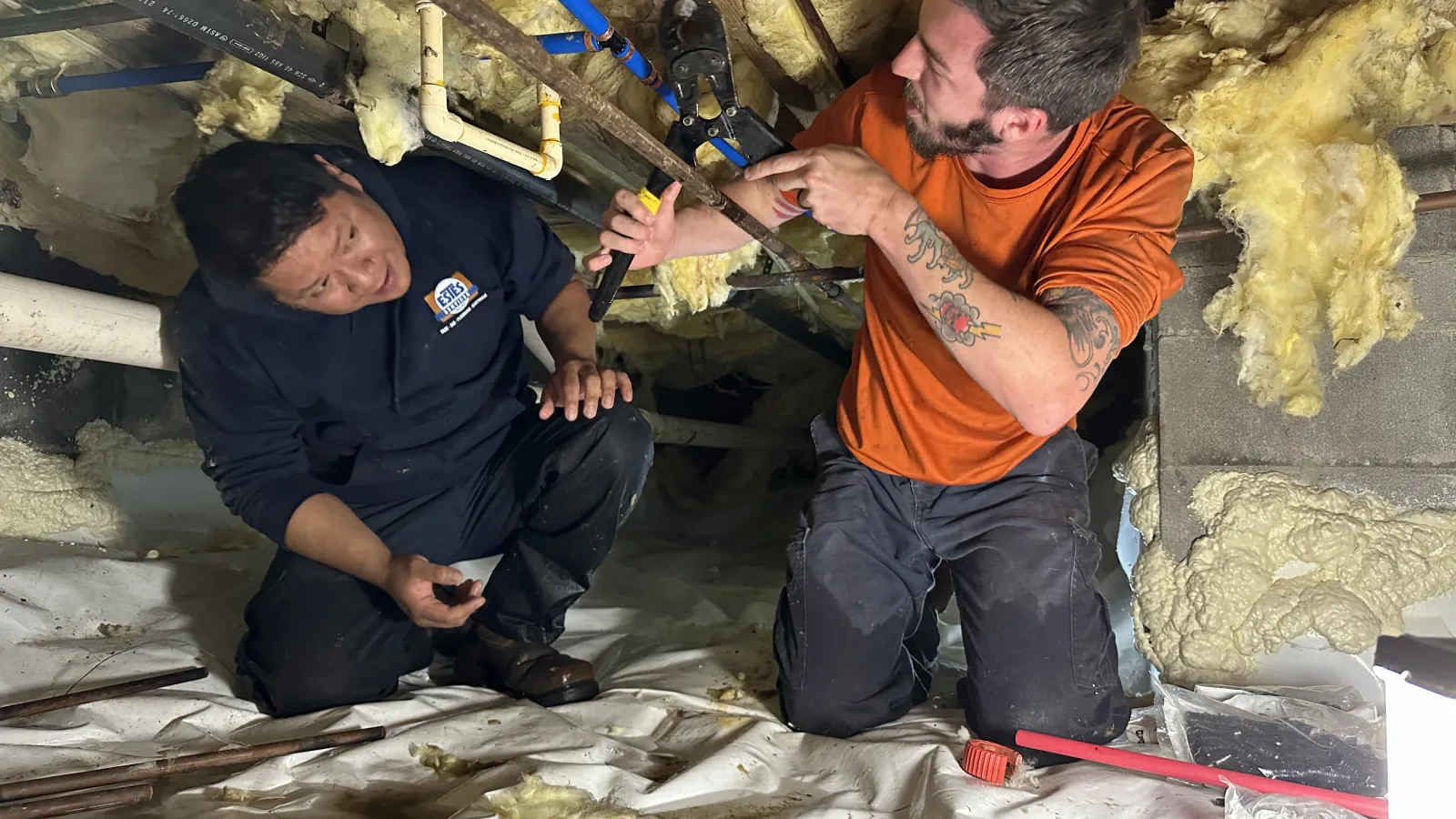
Plumbers may also use specialized cutting tools attached to drain augers. These tools cut through roots that have grown inside the pipe and clear the blockage.
Sewer Camera Inspection
A sewer camera inspection allows plumbers to identify the exact location of root growth and evaluate the condition of the pipe. This diagnostic step helps determine the most cost effective course of action for repair or replacement.
You can learn more about professional plumbing diagnostics here
Repair Options for Sewer Line Damage
Once the root blockage is removed, plumbers must repair the damaged pipe to prevent roots from returning.
Depending on the condition of the sewer line, several repair options may be recommended.
Trenchless Pipe Repair
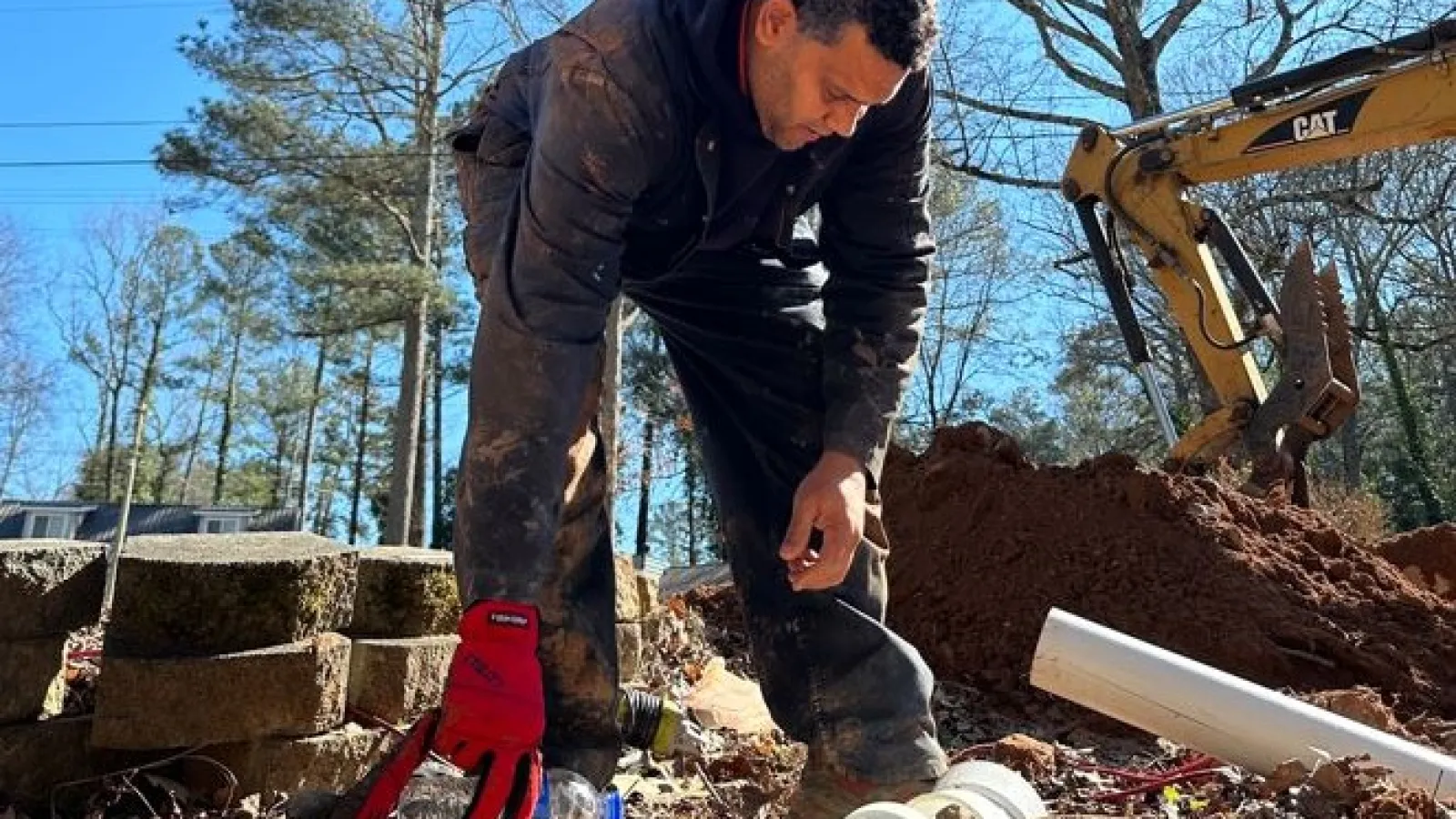
Trenchless pipe repair is a modern solution that allows plumbers to repair underground pipes without major excavation. Instead of digging up the entire sewer line, the pipe is restored internally using specialized equipment.
This method is often more cost effective and reduces disruption to landscaping and property.
Sewer Line Replacement
If root growth has caused severe structural damage, a full sewer line replacement may be necessary. Installing a new pipe restores proper drainage and protects the plumbing systems from future root intrusion.
Professional plumbers evaluate the condition of the piping system before recommending the best repair or replacement solution.
Preventing Tree Root Damage in Plumbing Systems
Preventive maintenance plays an important role in protecting plumbing systems and preventing future sewer line issues.
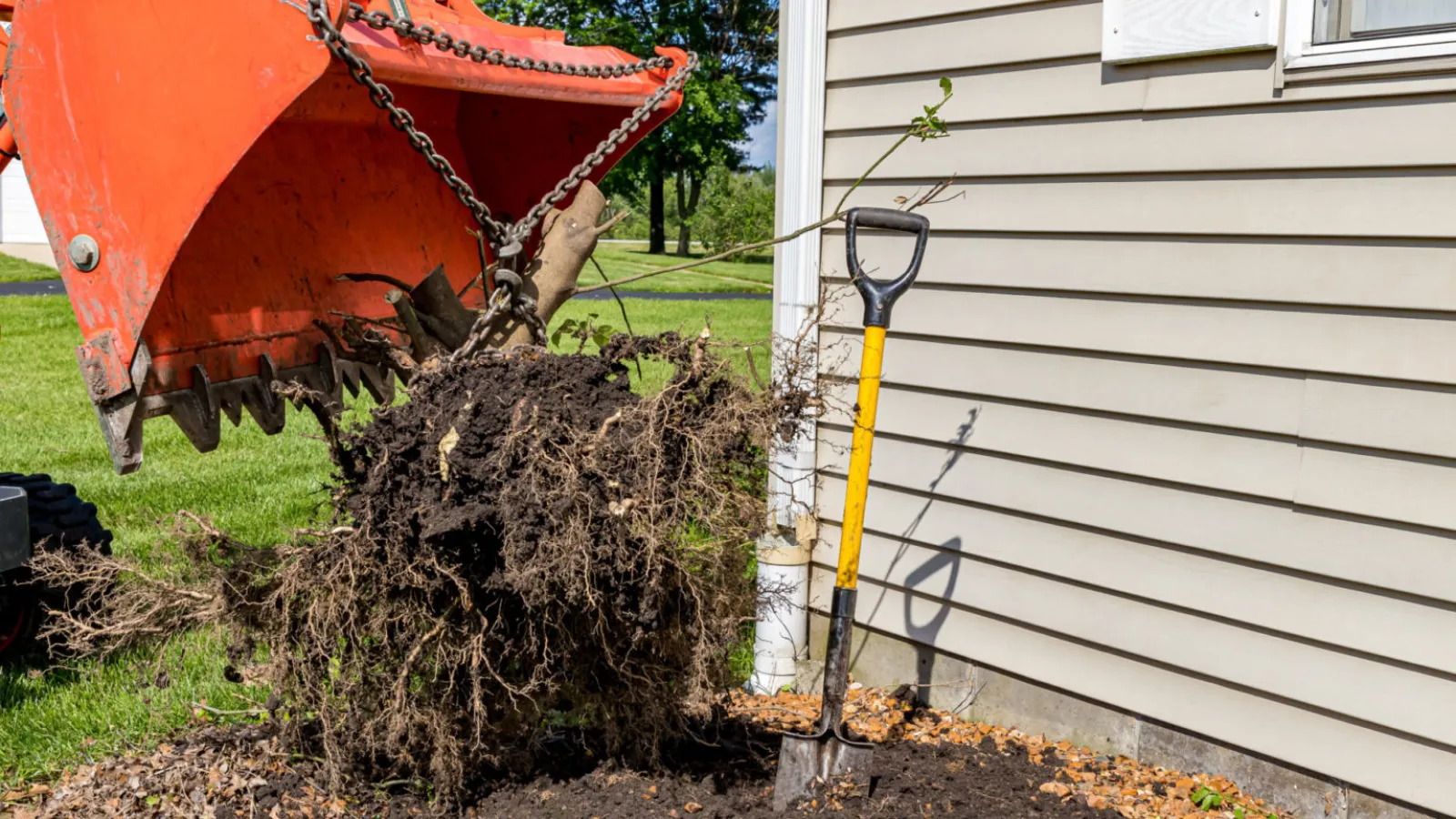
Homeowners can reduce the risk of root intrusion by planting trees and shrubs away from underground sewer lines. Landscaping with smaller root systems can also reduce pressure on buried pipes.
Routine plumbing inspections help detect cracks or pipe weaknesses before roots grow into the pipe.
Maintaining the overall health of your plumbing system also improves long-term performance. Some homeowners choose to upgrade their plumbing systems by installing a new water heater or adding a whole house water filtration system to improve water quality throughout the home.
These improvements help protect appliances, support better water flow, and maintain reliable plumbing systems.
Protect Your Plumbing System with Professional Sewer Services
Tree roots growing inside sewer pipes can quickly lead to serious plumbing problems if left untreated. Addressing sewer line issues early can help prevent structural damage and expensive repairs.
The licensed plumbers at Estes Services provide sewer inspections, trenchless pipe repair, and sewer line replacement services throughout Metro Atlanta.
If you notice slow drains, sewer odors, or other warning signs of sewer line damage, scheduling a professional plumbing inspection can help identify the problem and restore your system.
Learn more about Estes Services plumbing solutions here
Frequently Asked Questions About Tree Root Damage in Sewer Lines
What causes tree roots to grow into sewer pipes?
Tree roots grow underground searching for water sources and nutrients. Sewer systems often contain moisture and organic material that attract root systems. If a pipe has small cracks or loose joints, roots can enter the piping system and expand inside the sewer line, eventually causing sewer line damage and plumbing problems.
How do I know if I have a tree root problem in my sewer line?
Common warning signs include slow drains throughout the home, gurgling sounds from plumbing fixtures, recurring drain clogs, and a foul odor coming from drains. Outside the home, unusually green patches of grass or soggy areas above sewer lines may also indicate root growth inside the pipe.
If these symptoms appear, a professional plumbing inspection can identify the source of the sewer line issues.
Can tree root damage cause water damage in a home?
Yes. When roots block a sewer pipe, wastewater may back up through sinks, showers, or floor drains. This can lead to water damage inside the home and may also create sanitation concerns. Addressing sewer line damage early helps prevent these issues.
How do plumbers remove roots from sewer lines?
Professional plumbers use specialized equipment to remove root growth inside pipes. Common methods include hydro jetting, which uses high-pressure water to clear debris and roots, and mechanical root cutting tools that break apart the root system inside the pipe.
A sewer camera inspection is often used to locate the blockage and determine the most effective repair method.
What is trenchless pipe repair and when is it used?
Trenchless pipe repair is a modern plumbing solution used to restore underground pipes without digging large trenches. This technique repairs the inside of the damaged pipe using specialized materials and equipment.
It is often a cost effective option when the pipe structure is still stable but has cracks or root intrusion.
When is sewer line replacement necessary?
Sewer line replacement may be required if root growth has caused severe structural damage to the pipe. If the piping system has collapsed or developed multiple breaks, installing a new sewer pipe is often the best long-term solution to restore proper drainage.
Can sewer line damage affect the entire plumbing system?
Yes. Because the main sewer line connects all fixtures in a home, a blockage or damaged pipe can affect sinks, toilets, showers, and appliances such as washing machines. This is why sewer line issues often cause slow drains throughout the house rather than in just one fixture.
How can homeowners prevent tree roots from damaging sewer systems?
Homeowners can reduce the risk by planting trees away from sewer lines, choosing landscaping with smaller root systems, and scheduling routine plumbing inspections. Early pipe repair can also help prevent roots from entering the piping system.
Maintaining plumbing equipment such as a new water heater and installing solutions like a whole house water filtration system can also help improve overall plumbing system performance and water quality.