
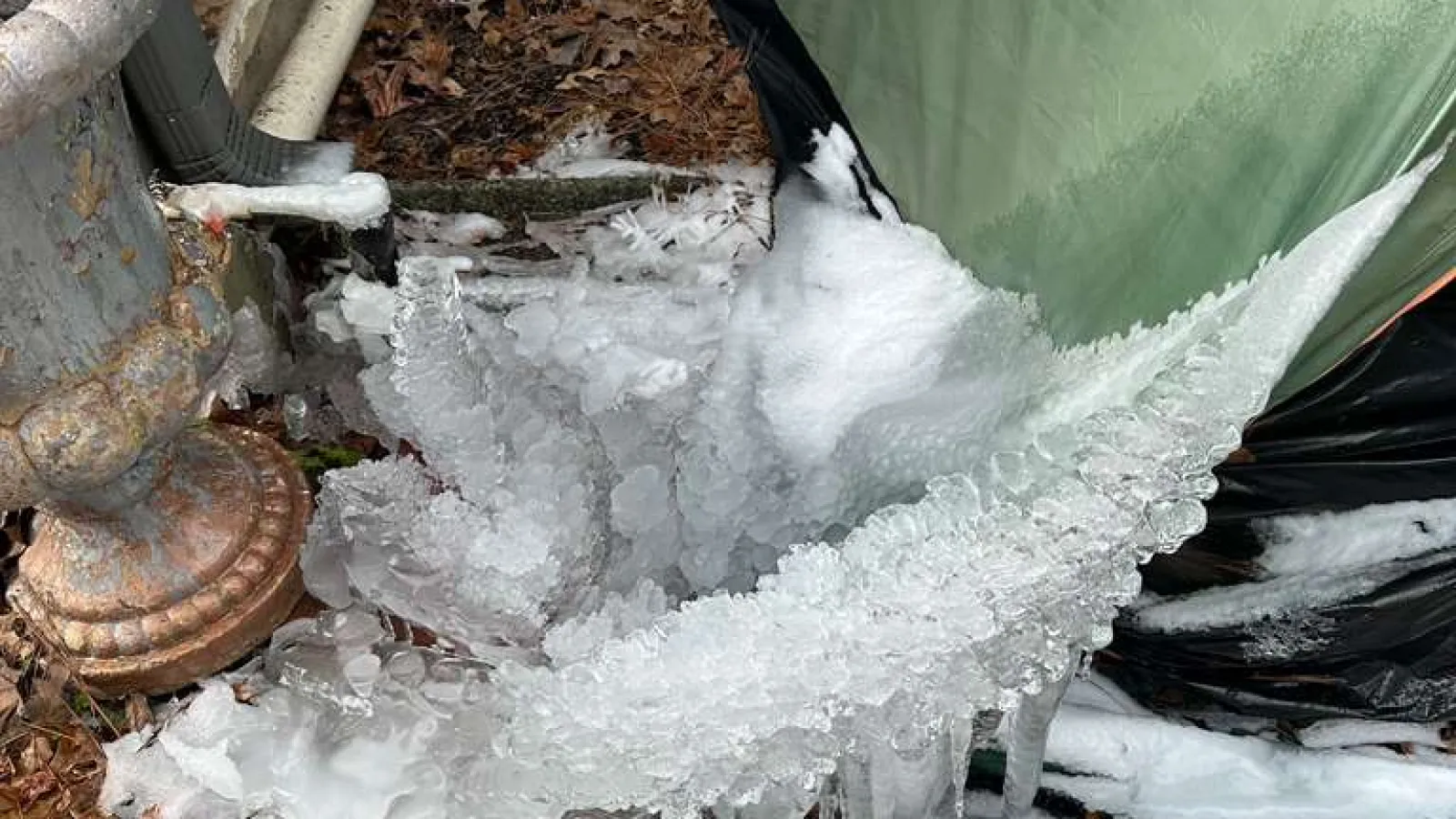

How to Prevent & Thaw Frozen Pipes During an Atlanta Winter Storm
Winter weather in Metro Atlanta can shift quickly. When freezing temperatures settle in, water inside your pipes can freeze, expand, and lead to pipe bursting—causing severe water damage and costly repairs.
For many homeowners, frozen pipes in Atlanta can result in damages ranging from $5,000 to $70,000+, depending on how far water spreads. The good news: with the right prevention strategy and quick action, you can significantly reduce your risk.
At Estes Services, we help Atlanta homes stay protected with expert plumbing services, winterization strategies, and emergency support when it matters most.
Explore plumbing services
Why Frozen Pipes Are a Serious Risk in Atlanta Homes
Unlike colder regions, many Atlanta homes are not fully designed for extended freezes. Pipes are often located in vulnerable areas such as:
• Crawl space
• Attics and basements
• Exterior walls
• Garages
• Under sinks and cabinets
When exposed to cold air, pipes can freeze quickly—especially water supply lines connected to kitchens, bathrooms, or outdoor faucets.
Quick Prevention Checklist Before an Atlanta Winter Storm
Preparing ahead of an Atlanta winter storm is the most effective way to avoid frozen-pipe damage.
Essential Prevention Steps
• Insulate exposed pipes in crawl spaces, attics, and garages
• Seal gaps near plumbing to block cold air infiltration
• Disconnect hoses and drain exterior faucets
• Keep garage doors closed to protect interior piping
• Open cabinet doors to circulate warm air
During Extreme Freezing Temperatures
• Let faucets drip slightly to relieve water pressure
• Maintain consistent indoor heating
• Prepare for power outage scenarios to avoid sudden temperature drops
Pro Tip: Locate your main water shutoff valves in advance. Acting quickly can prevent extensive damage if a pipe bursts.
How to Prevent Frozen Pipes Effectively
1. Insulate Exposed Pipes
One of the most effective ways to prevent frozen pipes is insulation.
Use:
• Foam pipe sleeves
• UL-listed heat tape or heat cables
• Insulation for pipes in crawl spaces and exterior walls
This helps maintain a stable temperature and protects against freezing.
2. Seal Air Leaks Around Plumbing
Cold drafts accelerate freezing.
Focus on:
• Openings near water supply lines
• Gaps in exterior walls
• Areas around doors and windows
Reducing cold airflow helps stabilize pipe temperature.
3. Protect Outdoor Plumbing
• Disconnect hoses
• Drain outdoor faucets
• Shut off exterior water supply lines if possible
This is critical during any Atlanta winter storm.
4. Keep Warm Air Circulating
• Open cabinets under sinks
• Allow warm indoor air to reach pipes
• Maintain consistent indoor temperatures
This reduces the chance of freezing in hidden areas.
5. Let Faucets Drip During Extreme Cold
A slight drip keeps water moving, reducing pressure buildup inside pipes.
This is especially helpful in:
• Kitchens
• Bathrooms
• Exterior wall plumbing
Signs You May Have Frozen Pipes
Recognizing early signs can prevent major damage:
• No water or reduced water pressure
• Frost visible on pipes
• Pipes that feel extremely cold
• Bulging or unusual pipe shape
• Water flow limited to specific areas
If you notice these signs, act quickly to avoid pipe bursting.
How to Thaw Frozen Pipes Safely
Knowing how to thaw frozen pipes correctly is essential to avoid further damage.
Step-by-Step Safe Thawing
-
Turn on the faucet to relieve pressure
-
Identify the frozen section of the pipe
-
Apply gentle heat using:
• Hair dryer
• Heating pad
• Towels soaked in hot water
• Space heater (at a safe distance) -
Continue until full water flow is restored
Important Safety Warning
Never use open flames. This creates serious fire hazards and can damage pipes.
What to Do If a Pipe Bursts
If freezing leads to pipe bursting:
• Shut off the main water supply immediately
• Call a professional plumbing expert
• Remove standing water quickly to prevent mold and structural damage
Fast action is critical to minimize long-term impact.
Protect Your Home with Estes Plumbing Services
At Estes Services, we provide comprehensive plumbing services designed to protect your home during winter conditions. From preventive inspections to emergency repairs, our team helps homeowners across Metro Atlanta stay ahead of freezing risks.
Our services include:
• Frozen pipe repair and prevention
• Insulation and winterization
• Water heater services (including gas water heaters and electric water heaters)
• Emergency plumbing support
Schedule your service today: https://www.estesair.com/
FAQs
How do I prevent frozen pipes in Atlanta homes?
The best approach is to insulate exposed pipes, seal air leaks, and maintain consistent indoor heating during freezing temperatures.
What is the safest way to thaw frozen pipes?
Use controlled heat sources like a hair dryer or heating pad. Avoid open flames.
Should I let faucets drip during freezing weather?
Yes, allowing faucets to drip can help reduce water pressure and prevent freezing.
Where do pipes freeze most often?
Pipes in crawl spaces, exterior walls, garages, and unheated areas are most at risk.
When should I call a plumber?
If you suspect a frozen pipe, notice no water flow, or experience a pipe burst, contact professional plumbing services immediately.