
How to Test Your HVAC Ducts for Leaks
Duct leaks are one of the most common and costly issues affecting HVAC systems. If your home feels uncomfortable or your energy bill keeps rising, your air ducts may be losing conditioned air.
Learning how to test ducts for leaks helps you take control of your home's energy consumption, improve comfort, and protect your heating and cooling system.
In this guide, we explain how to identify leaks in your HVAC ductwork, what causes them, and when to call professionals like Estes Services for expert duct repair services.
Why Duct Leaks Are a Problem
Your HVAC ducts are designed to move conditioned air from your air conditioning system or heating system into your living space.
However, leaks in your ductwork system allow air to escape into unconditioned spaces such as attics, crawlspaces, and behind walls.
This leads to:
- Increased energy consumption
- Higher monthly energy bills
- Reduced airflow at each air vent
- Uneven temperatures across your home
- Extra strain on air handlers and AC units
In many homes across the United States, duct leakage can waste up to 20-30% of conditioned air. That means a significant portion of the energy used to heat or cool your home is lost before it reaches your indoor spaces.
Signs Your HVAC Ducts May Be Leaking
Before performing duct leak testing, look for these common warning signs:
- Hot or cold spots in different rooms
- Weak airflow from vents
- Increased energy bills without explanation
- Excess dust in indoor spaces
- HVAC systems running longer than normal
These issues often indicate air leaks within your heating ventilating and air conditioning system.
How to Test Ducts for Leaks (DIY Methods)
If you want to learn how to test air ducts for leaks, there are several simple methods you can try at home.
Visual Inspection
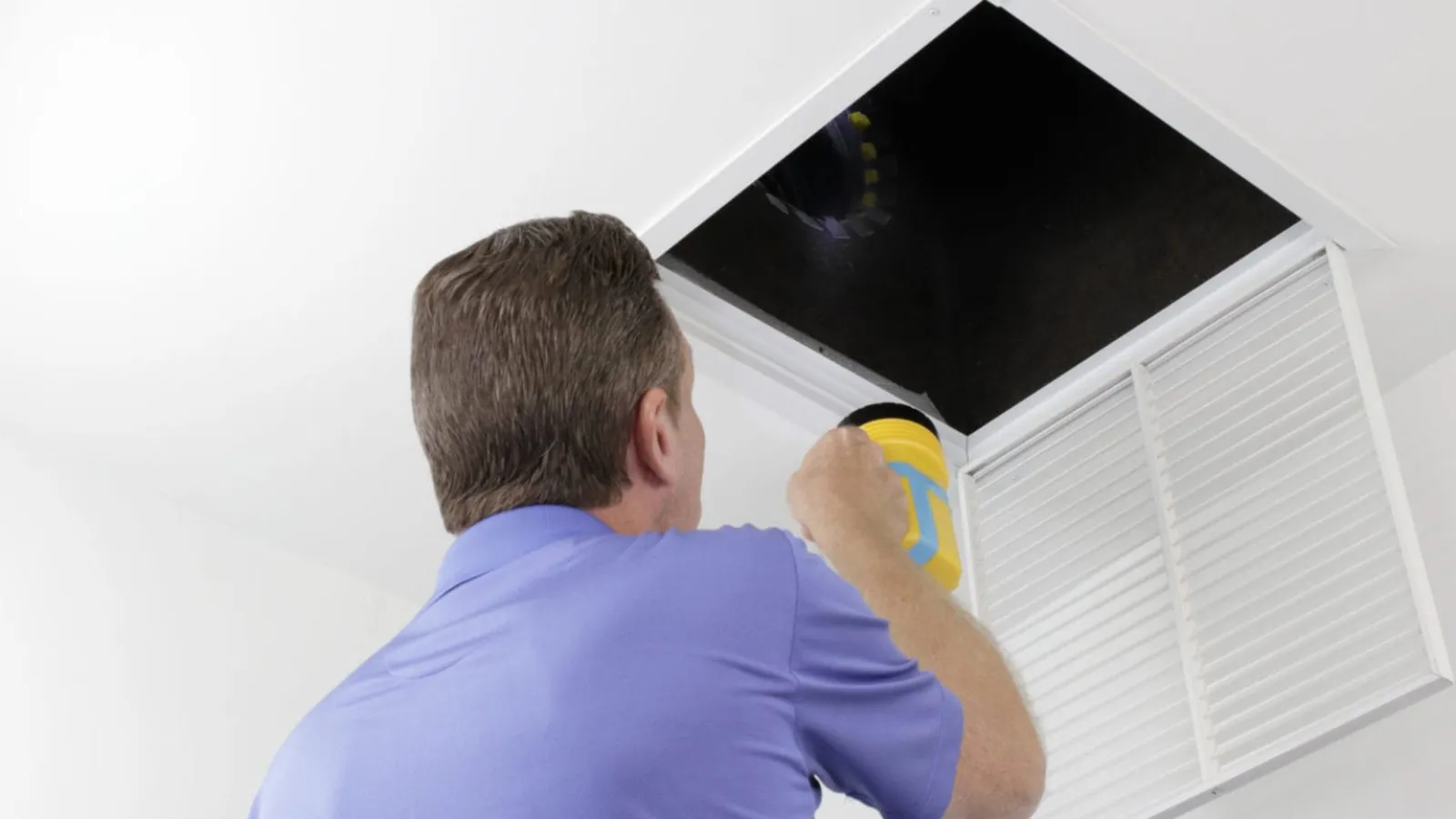
Start with a basic visual check of your HVAC ductwork.
Look for:
- Gaps between duct connections
- Disconnected sections
- Tears in flexible duct material
- Crushed or kinked ducts
- Loose connections around vents
Pay close attention to areas in attics, basements, and crawlspaces where ducts are often exposed.
Smoke Test
A smoke pen or incense stick can help detect air leaks.
Hold the smoke source near your ducts and watch the movement. If the smoke shifts or gets pulled, it indicates a leak in the system.
This method helps identify airflow issues and areas where conditioned air is escaping.
Soap Bubble Test
Mix water with a small amount of dish soap in a spray bottle.
Spray the solution onto duct joints and seams. If bubbles form, air is escaping from that location.
This is one of the simplest ways to confirm leaks during DIY duct leak testing.
Professional HVAC Air Duct Leakage Testing
While DIY methods are helpful, professional testing services provide accurate and measurable results.
At Estes Services, we perform advanced duct leak testing using specialized equipment such as duct blaster systems. These tools measure airflow loss in cubic feet per minute (CFM) to determine the severity of leaks.
Our process follows industry standards, including the HVAC Air Duct Leakage Test Manual established by sheet metal and air conditioning contractors.
This level of testing ensures:
- Precise identification of air leaks
- Accurate measurement of system efficiency
- Clear recommendations for sealing and repair
Benefits of Duct Repair and Sealing
Once leaks are identified, professional duct repair services restore the performance of your HVAC system.
Sealing and repairing ducts helps:
- Improve energy efficiency and reduce energy consumption
- Lower your monthly energy bill
- Increase airflow and comfort in your living space
- Improve air circulation throughout your home
- Support better performance of your air conditioning HVAC system
A properly sealed and insulated duct system ensures that conditioned air reaches every room efficiently.
How Duct Sealing Improves Indoor Comfort
When your ducts are sealed and insulated, your home becomes more energy efficient and comfortable.
You will notice:
- More consistent temperatures
- Better airflow from each air vent
- Reduced strain on your HVAC equipment
- Improved indoor comfort across all indoor spaces
This also supports better system performance and reduces long-term wear on your equipment.
When to Call Estes Services
If your home shows signs of duct leakage or if DIY testing is not enough, it is time to call a professional.
Estes Services offers expert duct repair services, inspections, and advanced testing services to ensure your system operates efficiently.
Explore our HVAC services
Schedule your service today
With more than 77 years of experience, our team delivers trusted expertise in heating ventilating and air conditioning solutions for homeowners across Atlanta.
(404) 362-6960
estesair.com
FAQS
What is an HVAC air duct leakage test?
An HVAC air duct leakage test measures how much air escapes from your HVAC ducts, helping identify inefficiencies in your system.
How can I test ducts for leaks at home?
You can perform a visual inspection, use a smoke test, or try a soap bubble test to identify basic air leaks in your air ducts.
How much energy is lost through duct leaks?
Most homes lose 20-30% of conditioned air due to leaks, increasing energy consumption and raising energy bills.
Are professional duct testing services worth it?
Yes. Professional testing services provide accurate results and help identify hidden leaks that DIY methods may miss.
What is measured during duct leak testing?
Technicians measure airflow loss in cubic feet per minute (CFM) to evaluate how much conditioned air is escaping.
Do duct leaks affect indoor air quality?
Yes. Leaks can pull in dust and pollutants from unconditioned spaces, reducing indoor air quality.
Can duct sealing improve energy efficiency?
Absolutely. Sealing your ductwork system improves airflow, reduces energy waste, and makes your home more energy efficient.
When should I repair my HVAC ducts?
You should schedule duct repair services if you notice uneven temperatures, high energy bills, or signs of airflow issues.