
A well-performing hvac system is essential for any commercial building. It supports daily operations, protects equipment, and ensures a comfortable indoor environment.
However, hvac airflow problems can quickly reduce system performance. Even advanced air conditioner equipment and modern heating and cooling systems cannot function properly when airflow is restricted.
Poor airflow often leads to:
- Uneven temperatures across spaces
- Increased energy bills
- Reduced system efficiency
- Poor indoor air quality
Over time, these issues impact employee productivity, customer experience, and long-term operational costs.
The solution starts with proactive commercial hvac maintenance and a structured maintenance plan designed to meet your building's heating and cooling needs.
What Causes HVAC Airflow Problems in Commercial Buildings?
To perform efficiently, your system must move cooled air freely through all air conditioning components. This includes ducts, vents, coils, and fans.
When any part of the system is blocked, damaged, or poorly maintained, airflow becomes restricted.
H3: Most Common Causes
- Dirty or clogged air filter
- Dust buildup on the evaporator coil
- Blocked or leaking ductwork
- Malfunctioning hvac equipment
- Poor system design or outdated ac unit
Each of these issues limits how the system moves air, reducing comfort and increasing energy consumption.
According to the U.S. Department of Energy, proper HVAC maintenance can improve system efficiency by up to 15%, making airflow optimization a key factor in reducing operating costs.
Airflow Obstructions and Their Impact
Airflow depends on the condition of key cooling system components, including the outdoor unit, ducts, and internal airflow pathways.
When obstructions occur, the system cannot circulate air effectively.
Common Airflow Obstructions
- Dirt buildup on the condenser coil
- Debris blocking the outdoor unit
- Clogged air filter restricting airflow
- Closed or blocked vents
- Damaged or disconnected duct systems
These issues reduce the system's ability to circulate cooled air and maintain consistent indoor temperatures.
How to Fix Airflow Obstructions
- Clean the outdoor unit regularly
- Replace air filters as part of routine maintenance tasks
- Keep vents clear of furniture or equipment
- Inspect ducts for leaks or damage
Simple actions like these can restore airflow and improve efficiency quickly.
For additional guidance, refer to best practices from ASHRAE, which sets global standards for ventilation and indoor air quality.
Lack of Commercial HVAC Maintenance
One of the most common causes of airflow issues is neglecting commercial hvac maintenance.
Over time, dust and debris build up on essential components such as:
- The evaporator coil
- The blower motor
- Internal fans
This buildup reduces airflow and forces the system to work harder.
Without regular maintenance, your system will:
- Struggle to distribute air evenly
- Increase energy bills
- Wear down faster over the long term
- Contribute to poor indoor air quality
A well-designed maintenance plan ensures your hvac system runs efficiently and consistently.
Schedule your service
Equipment Malfunctions That Affect Airflow
Airflow problems are often linked to failing air conditioning components within the system.
Common Equipment Issues
- Faulty thermostats affecting system balance
- Damaged blower motors reducing airflow capacity
- Electrical issues impacting ac systems
- Sensor failures disrupting performance
When these components fail, your system cannot properly regulate airflow or temperature.
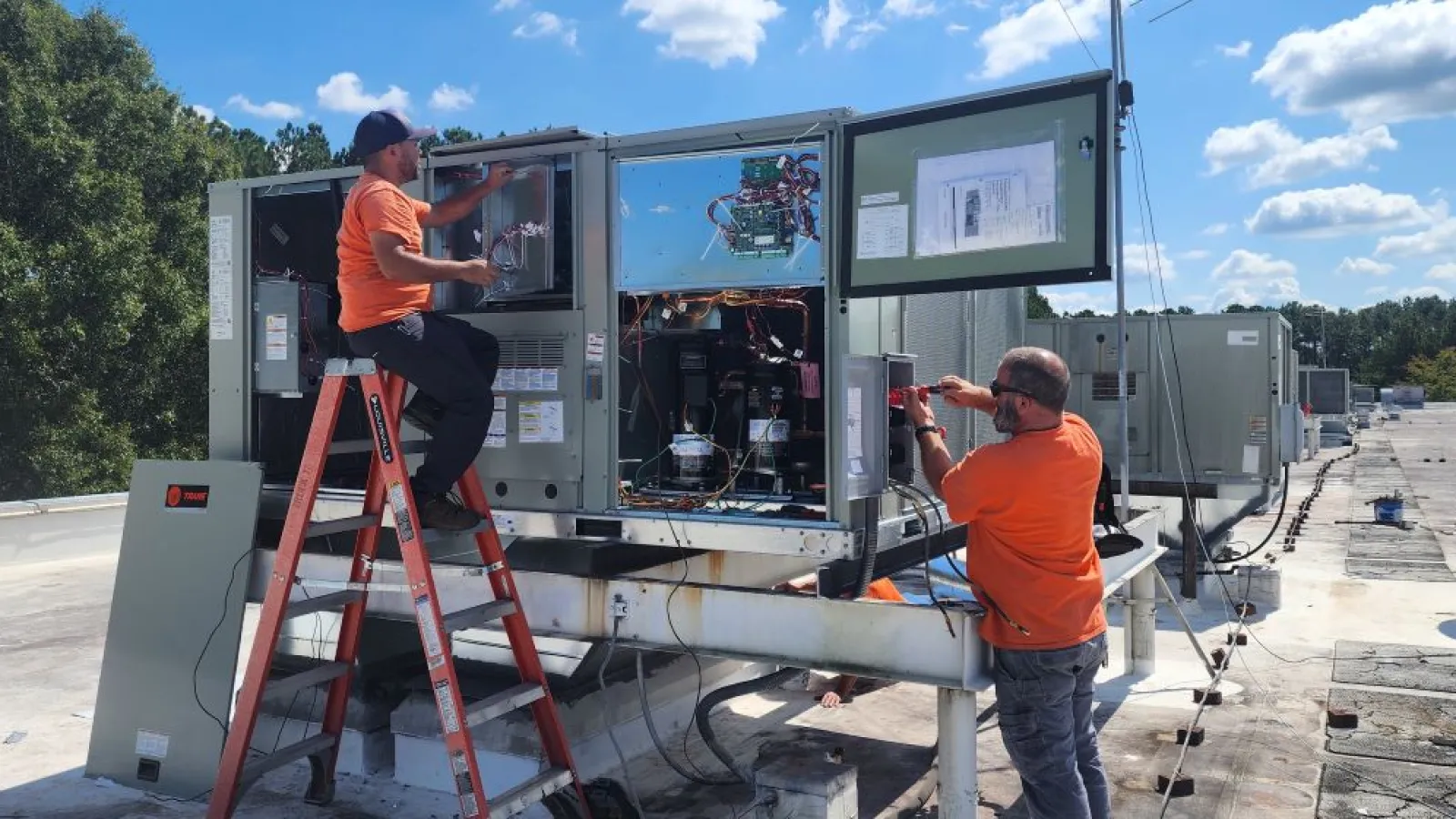
A professional hvac technician can identify these problems early and prevent costly breakdowns.
Inadequate HVAC Equipment and System Design
Not all airflow problems come from maintenance issues. In many cases, the system itself is not properly designed for the building.
If your hvac equipment is outdated or undersized, it will struggle to meet your heating and cooling needs.
Signs of Improper System Design
- Hot and cold zones within the building
- Weak airflow in large or renovated spaces
- Systems running continuously without reaching set temperatures
Modern heating and cooling systems include advanced airflow engineering. These systems are designed to distribute air more efficiently and reduce energy waste.
Upgrading your air conditioners or redesigning your ductwork can significantly improve airflow and overall performance.
Why Airflow Matters for Indoor Air Quality and Efficiency
Airflow is not just about comfort. It directly impacts air quality, energy use, and system lifespan.
When airflow is restricted:
- Air becomes stagnant
- Pollutants and allergens accumulate
- The system works harder to compensate
- Operating costs increase
Efficient airflow allows your system to properly filter and circulate air, helping to improve indoor air quality.
The Environmental Protection Agency highlights that indoor air can be 2-5 times more polluted than outdoor air, making airflow and filtration critical in commercial environments.
Long-Term Benefits of Proper HVAC Airflow
Investing in airflow optimization delivers long-term value for commercial properties.
Key benefits include:
- Lower energy bills through improved efficiency
- Better temperature consistency across all zones
- Extended lifespan of hvac equipment
- Healthier indoor environments for occupants
A consistent maintenance plan ensures your system continues to perform at its best over time.
Solve HVAC Airflow Problems with Estes Services
For over 77 years, Estes Services has supported businesses across Metro Atlanta with expert HVAC solutions.
Our commercial services include:
- Full system inspections and diagnostics
- Customized maintenance plans
- Repair and replacement of key air conditioning components
- Optimization of airflow and system performance
We help businesses improve efficiency, reduce downtime, and maintain consistent indoor comfort.
Schedule your service today
📞 (404) 362-6960
FAQs
What causes HVAC airflow problems in commercial buildings?
Common causes include clogged air filters, dirty coils, blocked ducts, and malfunctioning hvac equipment.
How does commercial HVAC maintenance improve airflow?
It includes cleaning components, replacing filters, and ensuring the system can efficiently move air.
Can airflow problems increase energy bills?
Yes. Poor airflow forces the system to work harder, increasing energy consumption.
What role does the air filter play?
The air filter is essential for airflow. When clogged, it restricts air movement and reduces efficiency.
How do I know if my system is undersized?
If your system cannot meet your heating and cooling needs, it may be too small or outdated.
Which components impact airflow the most?
Key cooling system components include the evaporator coil, blower motor, ductwork, and condenser coil.
How can I improve indoor air quality?
Maintain your system, replace filters, and ensure proper airflow throughout the building.
What is included in a maintenance plan?
A maintenance plan includes inspection, cleaning, airflow testing, and performance optimization for long term efficiency.