
Prevent Basement Flooding With These Expert Tips | Estes Services
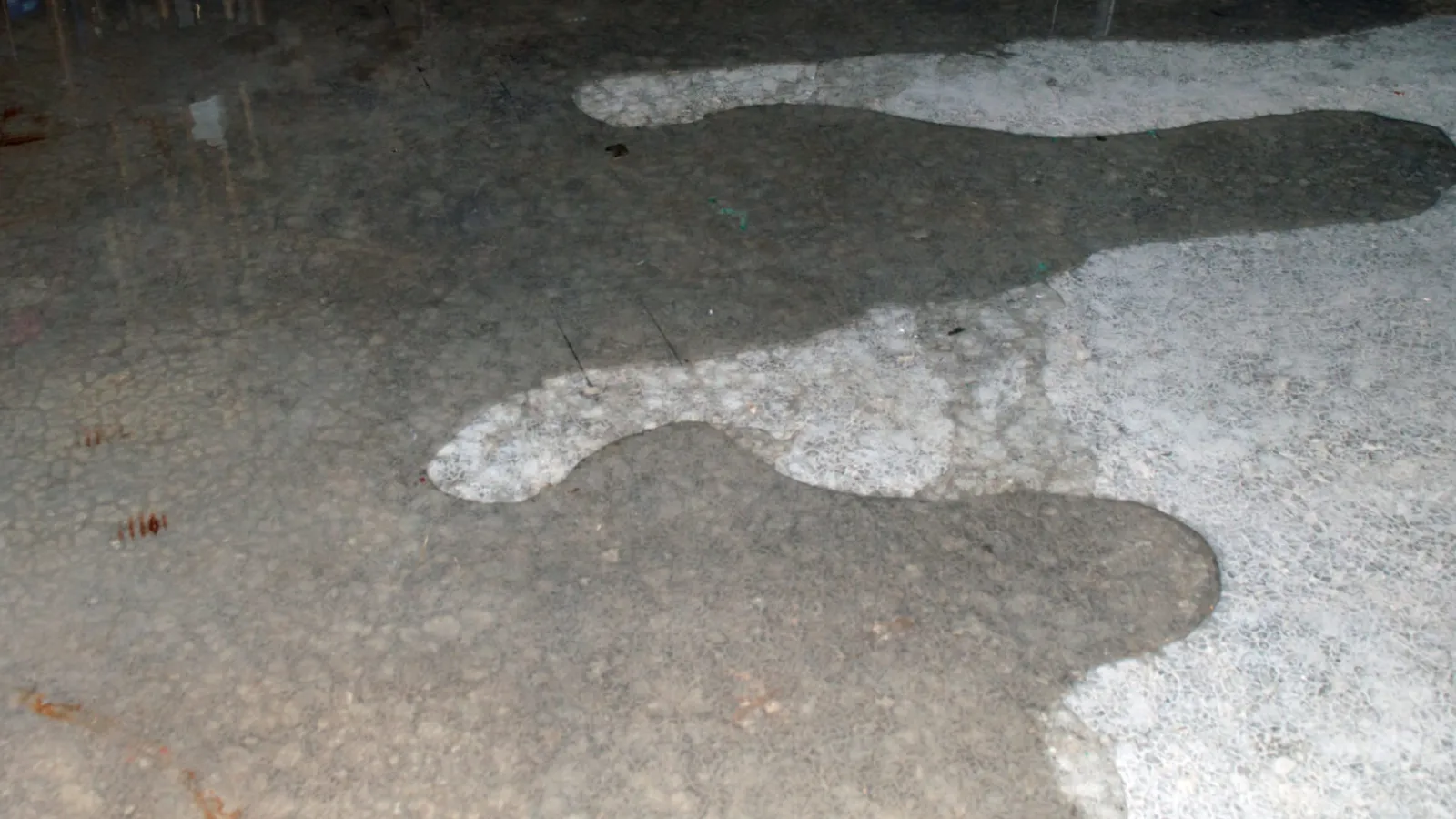
Basement flooding can cause thousands of dollars in damage—destroying personal belongings, creating structural issues, and introducing mold and mildew into your home. Whether you use your basement for storage, recreation, or as finished living space, preventing water damage should be a top priority.
The licensed plumbers at Estes Services explain how to prevent basement flooding, improve drainage, and protect your home with proper sump pump service, plumbing maintenance, and sewer line care.
Looking for plumbing help?
1. Maintain Gutters and Downspouts to Prevent Water Intrusion
Your home's gutter system plays a critical role in preventing basement flooding. Gutters collect rainwater and route it safely away from your foundation through downspouts.
To prevent water from accumulating around your home:
• Clean gutters regularly to avoid blockages
• Inspect downspouts and remove clogs
• Ensure downspouts discharge at least 3 feet away from the foundation
• Add downspout extensions to redirect water farther
• Confirm that drainage routes away from basement walls
When gutters fail, rainwater will saturate the soil around the home—eventually seeping into cracks and contributing to basement flooding.
2. Fix Plumbing Leaks Before They Cause Water Damage
Plumbing leaks—even tiny ones—can quickly lead to water pooling in your basement. Because water follows gravity, leaks in upper floors often end up on the basement floor.
Common leak sources include:
• Washing machine hoses
• Water heaters
• Bathroom plumbing
• Kitchen sink supply lines
• Older PVC pipes
Even a small, slow drip wastes gallons of water and increases the risk of hidden structural damage.
If you notice water stains, drips, or higher-than-normal water bills, schedule plumbing service immediately
3. Repair Foundation Cracks to Block Groundwater
Foundation cracks are one of the most common entry points for groundwater during heavy rainfall. Damage often appears in:
• Basement walls
• Concrete floors
• Joint lines between walls and floor
• Areas near exterior windows
To prevent water entry:
• Inspect the foundation regularly
• Seal small cracks using epoxy
• Monitor sealed areas after rainfall
• Schedule professional repair for larger cracks
Unaddressed cracks become pathways for serious leaks, especially when the soil becomes saturated from heavy rain or rising groundwater levels.
4. Prioritize Sump Pump Service and Backup Protection
A sump pump is your home's first line of defense against rising groundwater—and one of the most effective ways to prevent basement flooding.
Your sump pump removes water from the sump pit and pumps it safely out through a discharge line. But it only works if it's maintained.
How to Maintain Your Sump Pump
• Inspect the pump every few months
• Clear debris from the sump pit
• Test the pump by slowly adding water
• Ensure the discharge pipe is not blocked
• Schedule annual sump pump service
If you need to install a sump pump, Estes Services can help.
Explore sump pumps and drainage services
Add a Battery Backup Sump Pump for Power Outages
A battery backup sump pump ensures continued protection during storms and outages—when basement flooding is most likely to occur.
Backup pumps offer:
• Protection during power failures
• Extra pumping capacity during heavy rainfall
• Peace of mind during emergencies
Homeowners with high groundwater levels should strongly consider a dual-system setup (primary + backup pump).
5. Address Sewer and Drain Line Issues to Prevent Backups
Even if your plumbing fixtures appear to be draining normally, problems may be developing in your:
• Interior drains
• Main sewer line
• Exterior sewer pipes
• Septic system
Clogged or damaged sewer lines can cause sewage water to back up into your basement. Warning signs include:
• Slow drains
• Gurgling noises
• Foul sewer odors
• Standing water near floor drains
Cracked, collapsed, or root-infested sewer lines should be repaired or replaced immediately to prevent contamination and structural damage.
If your home uses a septic system, schedule routine pumping to avoid overflow during heavy rainfall.
Explore sewer & drain services
Protect Your Home With Professional Plumbing Services
Basement flooding happens fast—but with the right preventive steps, you can protect your home, your belongings, and your peace of mind. Whether you need help with sump pump service, sewer line repair, or plumbing leak detection, the experts at Estes Services are here to help.
Schedule plumbing service today
Estes Services has proudly served the Atlanta area since 1949.
Frequently Asked Questions (FAQs)
1. How does a sump pump prevent basement flooding?
A sump pump removes water from the lowest point of your basement, pumping it out through a discharge pipe. It prevents water overflow from groundwater, storms, and heavy rain.
2. Do I need a battery backup sump pump?
Yes—especially if your basement is prone to water intrusion or your area experiences power outages. A battery backup sump pump keeps operating even when the power is out.
3. How often should I schedule sump pump service?
Homeowners should schedule professional sump pump service at least once per year to ensure optimal operation and prevent failure during storms.
4. What causes sewage backups in basements?
Sewage backups are often caused by:
• Main sewer line blockages
• Pipe damage
• Root intrusion
• Clogs from grease or debris
Repairing damaged sewer pipes early helps prevent basement contamination.
5. Can a stuck water shut-off valve contribute to basement flooding?
Yes. A stuck water shut-off valve prevents you from stopping water flow during leaks or burst pipes. Regularly testing and replacing faulty water shutoff valves helps prevent water damage.