
How to Keep Your Basement Warm in Winter
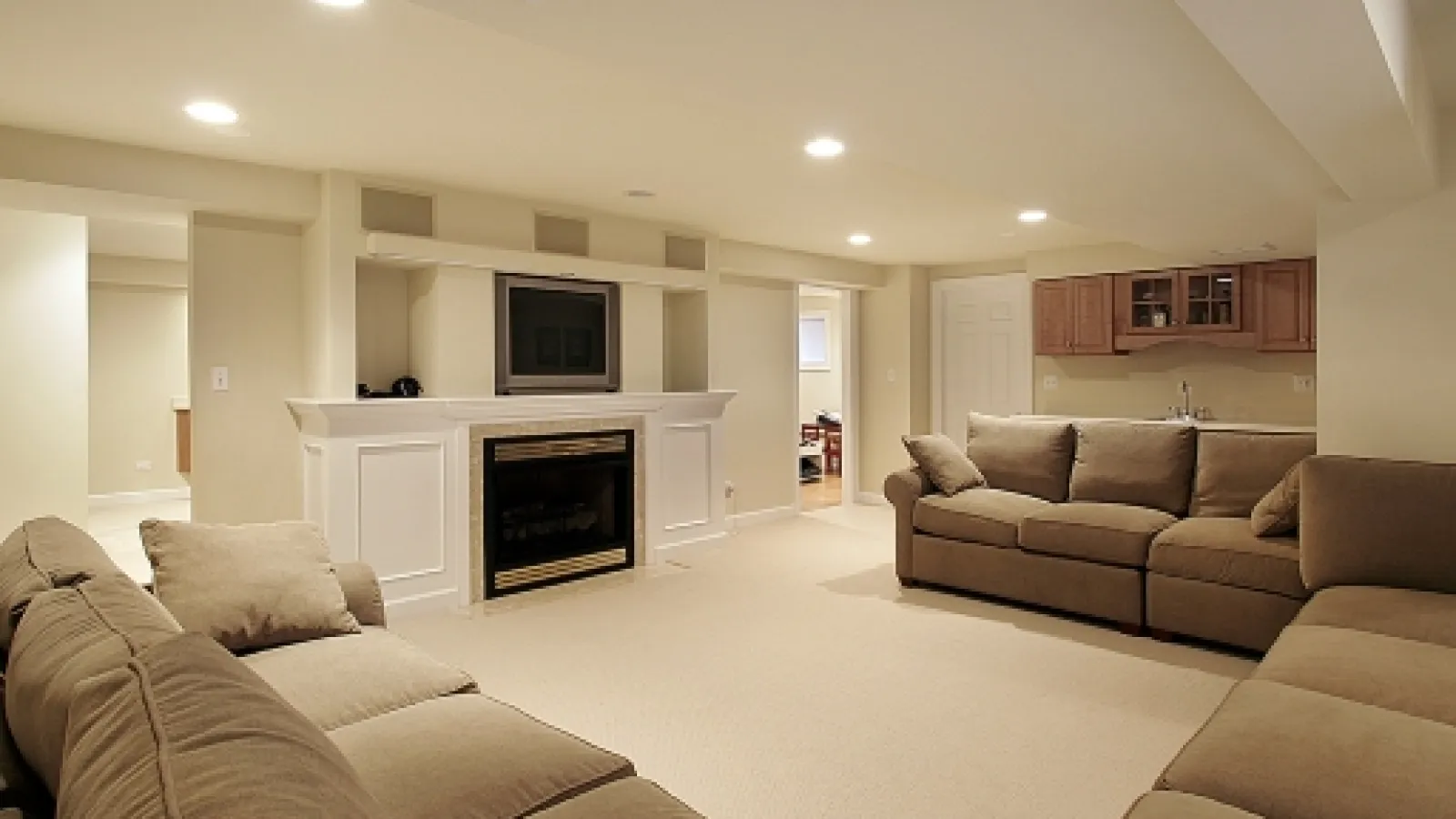
Basements are often the coldest area of a home. Because they sit below ground level and receive little sunlight, they tend to collect cold air and lose heat quickly. Concrete walls and floors also absorb warmth, which makes it harder to keep the space comfortable.
If your basement serves as a living space, home office, gym, or storage area, learning how to keep your basement warm becomes essential during the winter months.
Many Atlanta homeowners search for practical basement heating options that improve comfort without increasing energy costs. The good news is that several effective solutions exist.
In this guide, the experts at Estes Services explain the most effective ways to heat a basement, improve comfort, and maintain a healthy indoor environment.
Learn more about heating services
Why Basements Feel Cold in Winter
Several factors contribute to a basement feeling cold.
Common causes include:
• Heat loss through concrete walls and floors
• Poor insulation
• Limited air circulation
• Air leaks that allow cold air to enter
• Lack of proper heating equipment
These conditions allow warm air from the upper floors to escape while cold air settles in the basement.
Addressing these issues can make a major difference in keeping your basement warm in winter.
Improve Insulation to Reduce Heat Loss
One of the most effective ways to heat a basement is improving insulation.
Insulation slows heat loss and helps retain warm air inside the space. Without proper insulation, heat escapes quickly through basement walls and floors.
Recommended improvements include:
• Insulating basement walls
• Adding insulated sheathing
• Insulating exposed ductwork
• Sealing rim joists
Proper insulation allows your heating system to maintain comfortable temperatures while reducing overall energy costs.
Seal Air Leaks to Stop Cold Drafts
Air leaks are another major reason basements feel cold.
Small gaps around windows, doors, and pipe openings allow cold outdoor air to enter the basement.
Sealing these areas improves air circulation and prevents warm air from escaping.
Important areas to inspect include:
• Basement windows
• Foundation cracks
• Electrical and plumbing penetrations
• Rim joists and framing joints
Air sealing combined with insulation is a cost effective solution for improving basement comfort.
Choose the Best Basement Heating Option
There are several effective basement heating options depending on your home's layout and heating system.
The best solution depends on how the basement is used and whether the space is finished.
Radiant Floor Heating Systems
Radiant floor heating systems are one of the most comfortable floor heating systems for basements.
These systems distribute heat evenly across the floor, eliminating cold spots.
Benefits include:
• Even heat distribution
• Quiet operation
• Improved energy efficiency
• Warm floors in cold seasons
Radiant heating systems work especially well in finished basements where comfort is a priority.
Extend Your Existing Heating System
Another option is expanding your current heating system to include the basement.
Your HVAC contractor may extend ductwork from your furnace or heat pump to deliver hot air to the basement.
This solution helps maintain consistent temperatures throughout the home.
However, the system must have enough capacity to heat the additional space.
Learn more about heating systems
Install a Mini-Split System
A mini-split system is another popular solution for basement heating.
Ductless mini split heat pump systems provide efficient heating without requiring ductwork extensions.
Benefits include:
• Zoned heating control
• High efficiency
• Quiet operation
• Flexible installation
Mini-splits are an excellent heating option for home offices, guest rooms, or entertainment spaces located in basements.
Improve Indoor Air Quality in Basements
Basements often experience humidity and limited ventilation, which can lead to poor indoor air quality.
When air circulation is limited, airborne particles and volatile organic compounds can accumulate. These pollutants may affect the indoor environment and create potential health concerns.
Improving airflow and installing indoor air quality solutions helps maintain healthier air in the basement.
Solutions may include:
• Whole-home dehumidifiers
• Air cleaners or an air purifier
• Improved ventilation systems
• HVAC filtration upgrades
These upgrades help remove pollutants and introduce fresh air, improving comfort and overall indoor air quality.
Learn more about indoor air quality solutions
Improve Air Circulation for Better Heating
Basements often trap cold air because warm air rises to upper floors.
Improving air circulation helps distribute heat more evenly throughout the home.
Effective methods include:
• Installing additional vents
• Using ceiling or circulation fans
• Adjusting HVAC dampers
• Adding return air vents
Better airflow allows your heating system to deliver consistent warm air throughout the basement.
Professional Basement Heating Solutions in Atlanta
If your basement remains cold despite insulation and airflow improvements, professional heating upgrades may be necessary.
As one of the most trusted heating and air companies in Atlanta, Estes Services helps homeowners identify the most effective heating solutions for their homes.
Our services include:
• Installation of radiant floor heating systems
• Mini-split system installation
• Furnace and heat pump upgrades
• Indoor air quality improvements
• Energy efficiency evaluations
Our experienced technicians evaluate your home's heating system and recommend the best ways to heat a basement effectively.
Keep Your Basement Warm With Estes Services
If you are looking for reliable basement heating options, Estes Services can help you improve comfort and efficiency in your home.
Our HVAC professionals can inspect your basement, evaluate heat loss, and recommend the best heating solution for your needs.
Schedule a heating consultation today
Estes Services has proudly served Metro Atlanta homeowners since 1949.
It's That Easy. It's Estes.
Frequently Asked Questions
What is the best way to keep a basement warm in winter?
The best way to keep your basement warm in winter is to improve insulation, seal air leaks, and install a dedicated heating system such as a mini-split system or radiant floor heating system.
What are the most effective basement heating options?
Popular basement heating options include radiant floor heating systems, ductless mini-split heat pumps, and extending your home's heating system to the basement.
Can improving indoor air quality help basement comfort?
Yes. Indoor air quality solutions improve airflow, remove airborne pollutants, and help maintain a healthier indoor environment in basement spaces.
Are mini-split systems good for heating basements?
Yes. A mini-split system provides efficient zoned heating and is a great solution for finished basements that need additional heating without installing new ductwork.