
What Is a Pipe Wrench? Why Plumbers Love It (And Why Homeowners Shouldn't Swing It Wildly)
Picture this: you're staring at a leaky pipe under the sink, armed with pure determination and… whatever you found in the junk drawer.
Enter the pipe wrench, the plumber's secret weapon that's been gripping pipes tighter than an I-285 traffic jam since 1869. Big, toothy, and built to mean business, this tool is an icon. But for homeowners wondering what a pipe wrench is, what a pipe wrench is used for, or even how to use a pipe wrench without breaking something expensive, it can be more intimidating than helpful.
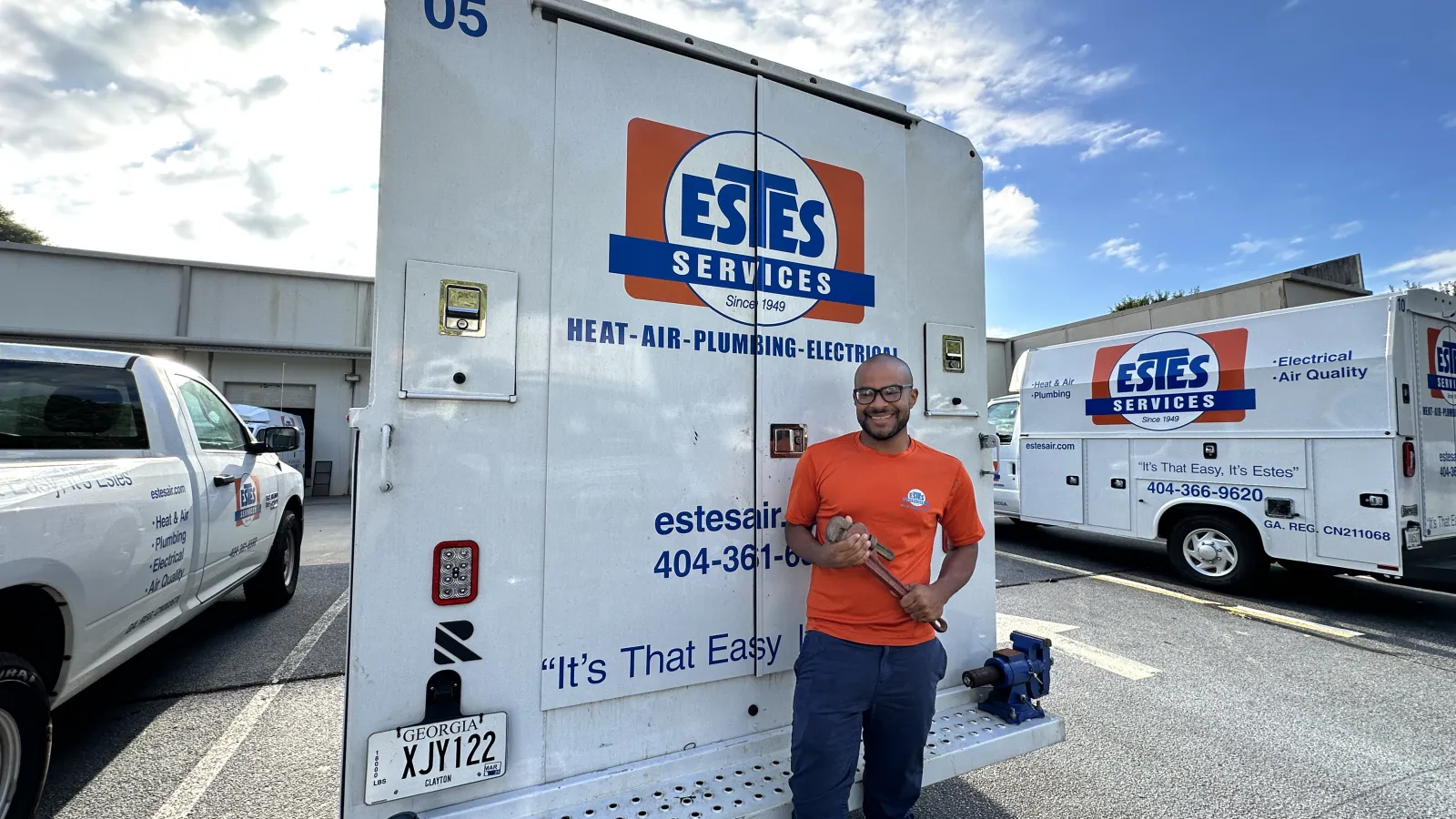
At Estes Services, our licensed Metro Atlanta plumbers grab a pipe wrench daily for everything from stubborn fittings to full repipes. Here's the lowdown on this heavy-metal hero—and why DIY attempts can quickly turn into expensive comedy routines.
The Tool Behind the Grip: A Plumber's Essential

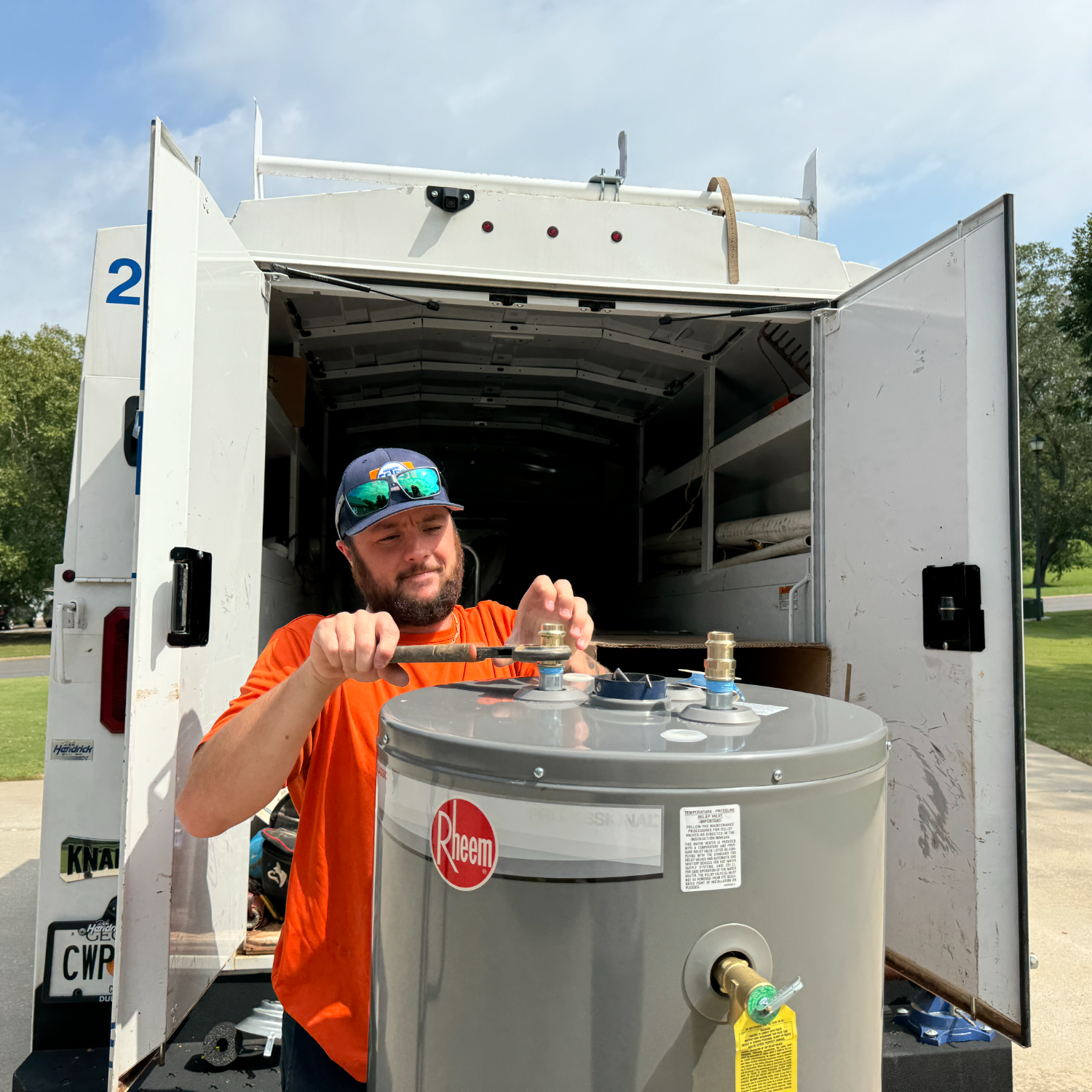
What Is a Pipe Wrench, Exactly?
A pipe wrench (also known as a Stillson wrench) is a heavy-duty adjustable tool designed specifically for gripping and turning round metal pipes.
Named after its inventor, Daniel C. Stillson, this design has stood the test of time and remains the gold standard for plumbing work today.
The secret sauce: unlike standard wrenches with flat jaws for nuts and bolts, pipe wrenches have serrated, angled teeth. These teeth are designed to bite into metal. The harder you pull, the tighter the wrench grips. It's a self-tightening marvel that laughs at rust, corrosion, and slippery iron.
What Does a Pipe Wrench Look Like?
- The anatomy: a long, heavy handle for leverage and a movable hook jaw controlled by an adjustment nut.
- The attitude: not sleek, not subtle, and absolutely not meant for delicate finishes.
- The size factor: pipe wrenches range from compact 6-inch versions to massive 48-inch models used on large pipes.
What Is a Pipe Wrench Used For?
In professional plumbing, a pipe wrench is used for tasks that require serious torque, including:
- Tightening and loosening threaded metal pipes
- Breaking free corroded or seized fittings
- Installing water and gas lines
- Removing old plumbing during repairs or repipes
Pipe wrenches are built for strength, not finesse. That's why plumbers never use them on chrome fixtures or visible finishes unless damage is expected.
How to Use a Pipe Wrench (And Why DIY Gets Risky)
Many homeowners search for how to use pipe wrench tutorials online, but this is one tool where technique matters as much as force.
- The wrench should always be pulled, not pushed.
- The teeth must face the direction of rotation.
- Too much torque can crack fittings or strip threads.
Used incorrectly, a pipe wrench can cause leaks behind walls, broken pipes, damaged fixtures, or personal injury. That's why professionals like Estes Plumbers rely on training and experience, not guesswork.
Fun Pipe Wrench Facts
- The design is over 150 years old and still unmatched.
- The harder you pull, the tighter it grips.
- The teeth are supposed to dig in—scratches mean it's doing its job.
- Using a pipe wrench on a decorative fixture is a guaranteed regret.
Leave the Heavy Lifting to the Pros
Pipe wrenches are powerful tools, but they belong in trained hands. Whether you're dealing with a leak, a stubborn fitting, or a full plumbing upgrade, Estes Services has the tools and expertise to get the job done safely.
If your plumbing problem feels bigger than a quick twist, contact Estes Services today and let our licensed plumbers handle it the right way.