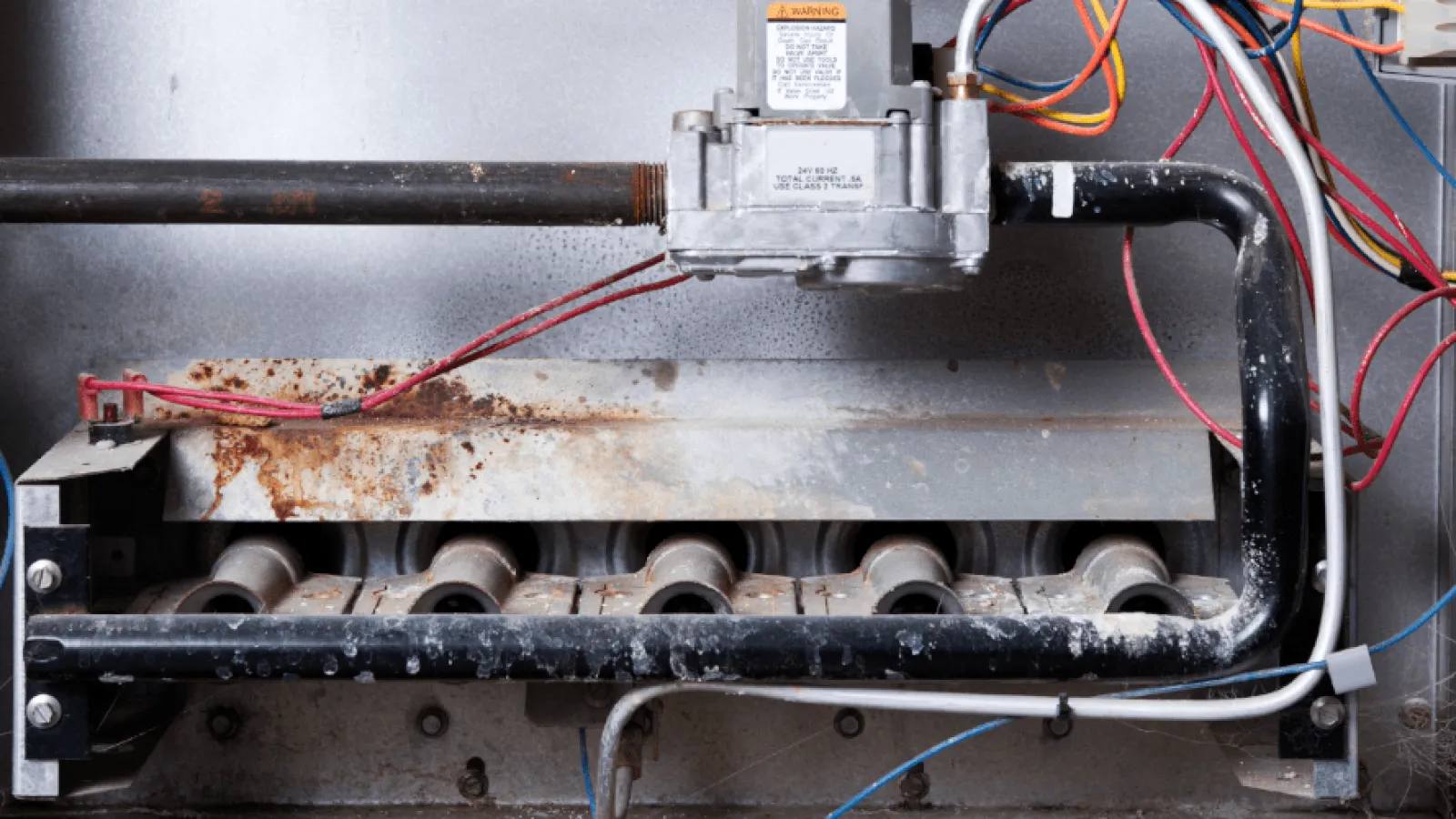

Furnace Leaking Water? Causes and How to Fix It
During the colder months, homeowners rely on their heating systems to keep their homes comfortable. If you notice leaking water or a puddle under your furnace system, it can be concerning.
A leaking furnace is a common issue and is often caused by condensation problems, clogged components, or a humidifier connected to the system.
In many situations, simple furnace repairs performed by a professional HVAC technician can resolve the issue quickly. However, ignoring a leak can lead to water damage, reduced efficiency, or the need for furnace replacement.
If your furnace system is leaking water, it is best to schedule professional heating and air conditioning repair to identify the source of the problem.
Learn more about heating repair services
Common Reasons a Furnace System Leaks Water
A furnace leaking water may be caused by several issues within the HVAC system. Below are the most common causes.
Condensation Leak
A condensation leak is the most common reason a furnace system begins leaking water.
Most modern homes use high-efficiency furnaces with an AFUE rating of 90 percent or higher. These systems extract more heat from combustion gases using a secondary heat exchanger.
Because these condensing furnaces operate at high efficiency, condensation forms during the heating process. Normally, this condensation drains through a dedicated drain line.
If the drain line becomes blocked or damaged, the furnace may begin leaking water around the system.
In most cases, condensation leaks can be resolved with routine furnace repairs performed by a professional HVAC technician.
Furnace Humidifier Leak
Another common cause of furnace leaks is a humidifier leak.
Many furnace systems include a humidifier to add moisture to warm air during winter months. This helps maintain comfortable humidity levels and improves indoor air quality.
If the humidifier becomes clogged or develops a mechanical problem, it may begin leaking water inside the furnace system.
Regular HVAC maintenance can help prevent humidifier leaks and keep the heating system operating efficiently.
Clogged Air Filter
A clogged or dirty air filter can also cause a furnace to leak water.
When airflow becomes restricted, the HVAC system may struggle to circulate heated air properly. In some situations, restricted airflow can cause components connected to the AC unit to freeze.
When the frozen areas melt, the system may develop a condensation leak or water buildup under the furnace.
Replacing air filters regularly helps maintain proper airflow and improves the efficiency of your heating and cooling system.
Potential Impact of a Leaking Furnace
Ignoring a leaking furnace can lead to several problems for your home and HVAC system.
Musty Odors
Standing water around the furnace system can create damp conditions that produce musty odors. If your furnace is located in a basement or utility room, these odors may spread through the HVAC system and affect indoor air quality.
Mold Growth
When leaking water remains untreated, it can create moisture conditions that allow mold to grow.
Mold can damage building materials and pose potential health risks when spores circulate through the HVAC system.
Prompt furnace repairs help prevent mold growth and protect the indoor environment of your home.
Water Damage
Water leaking from a furnace may stain floors, walls, or nearby surfaces. Over time, this moisture can lead to structural damage and costly repairs.
Addressing furnace leaks early helps protect your home and maintain peace of mind during the heating season.
A Faulty Secondary Heat Exchanger
If condensation is not the cause of the leak, the issue may involve the secondary heat exchanger.
This component captures additional heat from combustion gases in high-efficiency furnaces.
If the secondary heat exchanger becomes damaged, the furnace may begin leaking water and could affect system safety. In many cases, this issue requires furnace replacement rather than simple furnace repairs.
An experienced HVAC technician can inspect the furnace system and determine whether repair or replacement is the best solution.
Heating and Air Conditioning Repair for Metro Atlanta Homes
If your furnace system is leaking water, professional service is recommended.
Estes Services provides expert heating and air conditioning repair throughout the Metro Atlanta area. Our technicians diagnose furnace leaks, perform furnace repairs, and recommend energy efficient solutions when furnace replacement is necessary.
Our heating services include:
- Furnace repairs
- Furnace replacement and installation
- Maintenance for heating systems
- Inspection of heat exchangers
- Service for electric furnaces and gas furnaces
- HVAC system diagnostics and repairs
Learn more about heating repair services
Contact Estes Services for Furnace Repairs
Whether your furnace leak is caused by condensation, a humidifier leak, or a damaged heat exchanger, Estes Services can restore comfort to your home.
Our HVAC technicians diagnose heating system issues quickly and provide effective solutions designed to protect your home and improve system efficiency.
With more than 75 years of service in Metro Atlanta, Estes Services helps homeowners maintain safe and efficient heating systems throughout the winter.
Schedule heating service today
It's That Easy. It's Estes. Since 1949.
Frequently Asked Questions
Why is my furnace leaking water?
A furnace leaking water is usually caused by a condensation leak, clogged drain line, humidifier leak, or clogged air filter. High-efficiency furnaces naturally produce condensation, and drainage problems may cause water to leak around the system.
Is leaking furnace dangerous?
A leaking furnace can cause water damage, mold growth, and damage to the furnace system if left untreated. In some cases, a damaged heat exchanger may also create safety concerns.
Can a clogged filter cause a furnace to leak?
Yes. A clogged or dirty air filter restricts airflow and can cause system components to freeze. When the ice melts, the furnace may develop a condensation leak.
When should I consider furnace replacement?
If the leak is caused by a damaged secondary heat exchanger or severe internal corrosion, furnace replacement may be the best option. An HVAC technician can inspect the system and recommend the appropriate solution.
How can I prevent furnace leaks?
Regular HVAC maintenance helps prevent furnace leaks. Routine service includes inspecting the drain line, replacing filters, checking the heat exchanger, and ensuring the furnace system operates efficiently.