
How to Select the Best HVAC System
Selecting the best HVAC system for your home is a critical decision that impacts comfort, performance, and long-term energy savings. With multiple HVAC systems available today, choosing the right solution requires evaluating system design, efficiency, and your home's specific needs.
In this guide, we explain how to select the best HVAC system and the key factors to consider to ensure your investment delivers reliable comfort and cost-effective performance.
With more than 77 years of experience in HVAC installation, repair, and service, Estes Services has helped thousands of homeowners make informed decisions about their heating and cooling systems.
Hire a Trusted HVAC Company
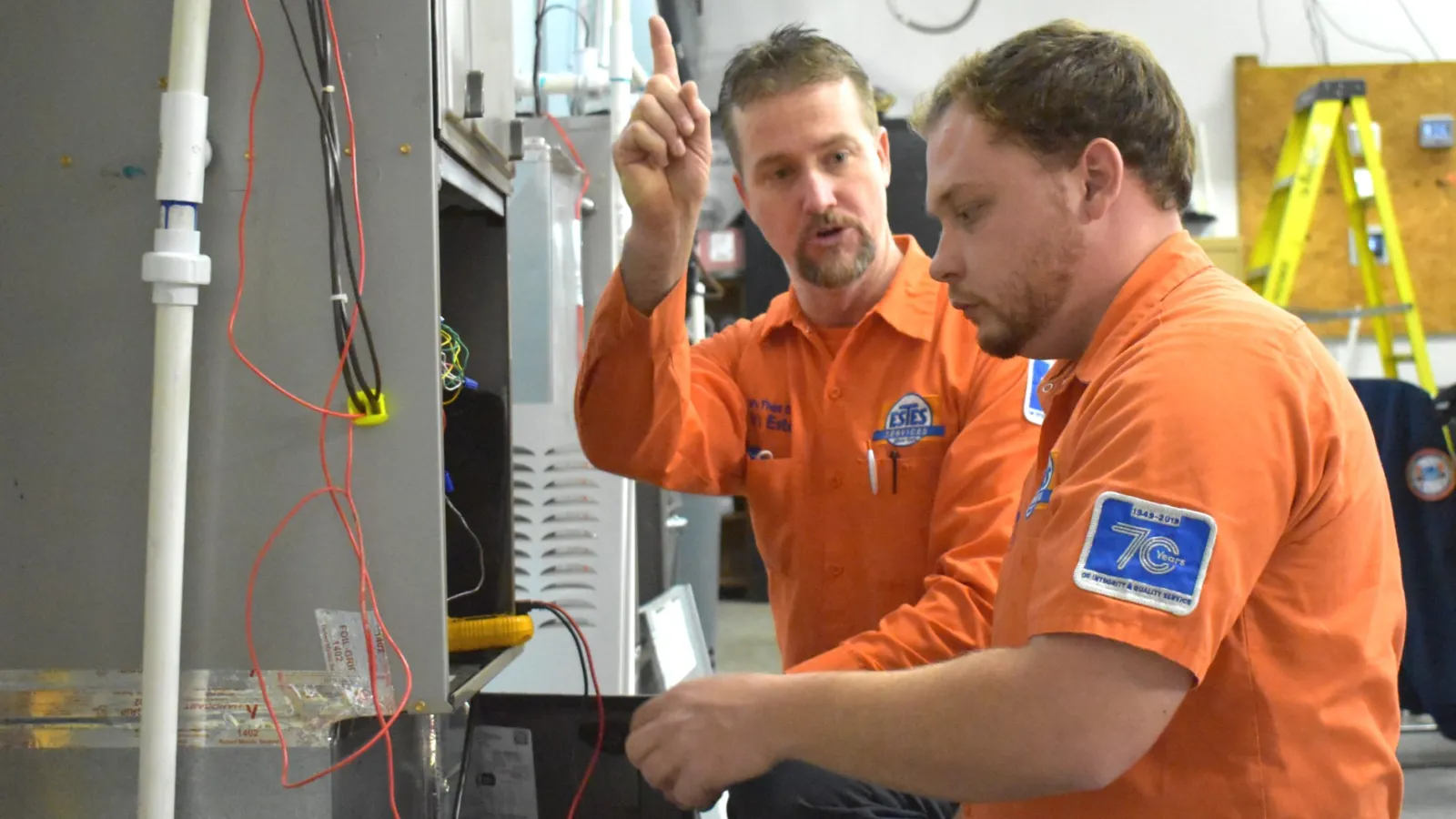
The first and most important step is working with a trusted HVAC company.
Selecting or installing an HVAC unit without professional guidance can lead to poor performance, higher utility bills, and potential safety risks. HVAC systems require precise system design, load calculations, and expert installation.
A properly installed new HVAC system ensures:
-
Consistent cooled air throughout your home
-
Improved efficiency and performance
-
Longer equipment lifespan
-
Reduced risk of costly repairs
Not all HVAC companies deliver the same level of service. Choosing an experienced, established provider ensures long-term support beyond installation.
Determine What Matters Most for Your Home
Before selecting a system, define your priorities.
Ask yourself:
-
Do you want to reduce your utility bill?
-
Are you focused on long-term energy savings?
-
Do you need better indoor air quality with upgraded air filters?
-
Are there hot or cold spots in your home?
Your goals will guide the selection of the best HVAC system, whether it is a central air conditioner, heat pump system, or ductless mini splits.
Proper HVAC System Sizing Is Essential
Choosing the correct HVAC unit size is critical.
A system that is too large or too small will:
-
Increase wear on components like the evaporator coil
-
Reduce cooling efficiency
-
Create uneven temperatures
-
Increase your utility bill
A professional load calculation ensures your system matches your home's layout, insulation, and electric load—allowing it to cool your home efficiently and consistently.
Understand Efficiency and SEER Ratings
Efficiency plays a major role in selecting the best HVAC system.
The seasonal energy efficiency ratio (SEER) measures how efficiently a system converts energy into cooling. A higher SEER rating means better performance and greater long-term energy savings.
Benefits of high-efficiency HVAC systems include:
-
Lower utility bills
-
Improved cooling efficiency
-
More consistent comfort
-
Reduced environmental impact
Although higher-efficiency systems may involve higher upfront costs, they are more cost effective over time.
Compare HVAC System Options
Understanding your options helps you choose the right system for your home.
Central Air Conditioner
A central air conditioner is ideal for whole-home comfort. It uses air handlers, ductwork, and an outdoor unit to distribute cooled air evenly.
Heat Pump System
A heat pump system provides both heating and cooling. It offers improved efficiency and can reduce reliance on natural gas while maintaining year-round comfort.
Ductless Mini Splits
Ductless mini splits are ideal for zoned areas, home additions, or spaces without ductwork. They provide quiet operation and flexible temperature control.
Geothermal Heat Pumps
Geothermal heat pumps deliver maximum efficiency by using underground energy, offering premium performance and long-term savings.
Balance Cost, Quality, and Long-Term Value
When selecting a new HVAC system, consider both upfront costs and long-term value.
Higher-quality systems provide:
-
Greater durability
-
Fewer repairs
-
Improved efficiency
-
Stronger warranty protection
-
Long-term energy savings
A detailed HVAC replacement estimate will help you understand your investment and expected return.
Warranty and Maintenance Matter
Every HVAC system should include:
-
Equipment warranty from the manufacturer
-
Labor warranty from your HVAC company
Routine maintenance is essential to protect your system and maintain performance. Regular service ensures components like air handlers, outdoor units, and electrical systems continue operating efficiently.
Modern Features and Smart Technology
Today's HVAC systems integrate advanced technology to improve comfort and efficiency.
These include:
-
Smart thermostat systems for better control
-
High-performance air filters for cleaner air
-
Enhanced airflow systems for consistent cooled air
These features improve system performance and overall home comfort.
Let Estes Services Help You Select the Best HVAC System
Choosing the right HVAC system requires expertise and a tailored approach.
At Estes Services, we help homeowners:
-
Identify the best HVAC system for their needs
-
Receive accurate HVAC replacement estimates
-
Ensure professional installation
-
Maintain long-term system performance
With more than 77 years serving Atlanta homeowners, our team delivers the expertise and support needed to protect your investment.
📞 (404) 362-6960
🌐 estesair.com
What is the best HVAC system for energy efficiency in 2026?
The best HVAC system for energy efficiency typically includes high SEER-rated units, heat pump systems, or geothermal heat pumps. These systems are designed to maximize long-term energy savings and reduce utility bills.
How much does a new HVAC system cost in 2026?
The cost of a new HVAC system varies based on system design, home size, and efficiency level. While upfront costs may be higher for advanced systems, they provide better long-term value and reduced operating costs.
Is a heat pump better than a traditional HVAC unit?
A heat pump system is often more efficient because it provides both heating and cooling in one system. It is a strong option for homeowners looking to reduce reliance on natural gas and improve efficiency.
What is the difference between SEER and SEER2 ratings?
SEER2 is the updated efficiency standard that reflects real-world operating conditions more accurately. Higher SEER2 ratings indicate improved cooling efficiency and better energy performance.
Are ductless mini splits worth it?
Yes. Ductless mini splits are highly cost effective for zoned spaces, offering quiet operation, flexibility, and improved efficiency without requiring ductwork.
How long does an HVAC system last?
Most HVAC systems last between 10-15 years. Proper maintenance, correct sizing, and professional installation can extend the lifespan and maintain efficiency.
Can a smart thermostat improve HVAC performance?
Yes. A smart thermostat helps optimize your HVAC system by adjusting temperatures automatically, improving efficiency, and reducing energy consumption.
What size HVAC unit do I need?
The correct HVAC unit size depends on your home's square footage, insulation, layout, and electric load. A professional load calculation ensures optimal system performance.
When should I replace my HVAC system instead of repairing it?
You should consider replacement if your system:
-
Is over 10-15 years old
-
Requires frequent repairs
-
Struggles to maintain comfort
-
Causes rising utility bills
Why should I choose Estes Services?
With more than 77 years of experience, Estes Services is a trusted HVAC company providing expert system design, professional installation, and long-term support to ensure your home stays comfortable and efficient.