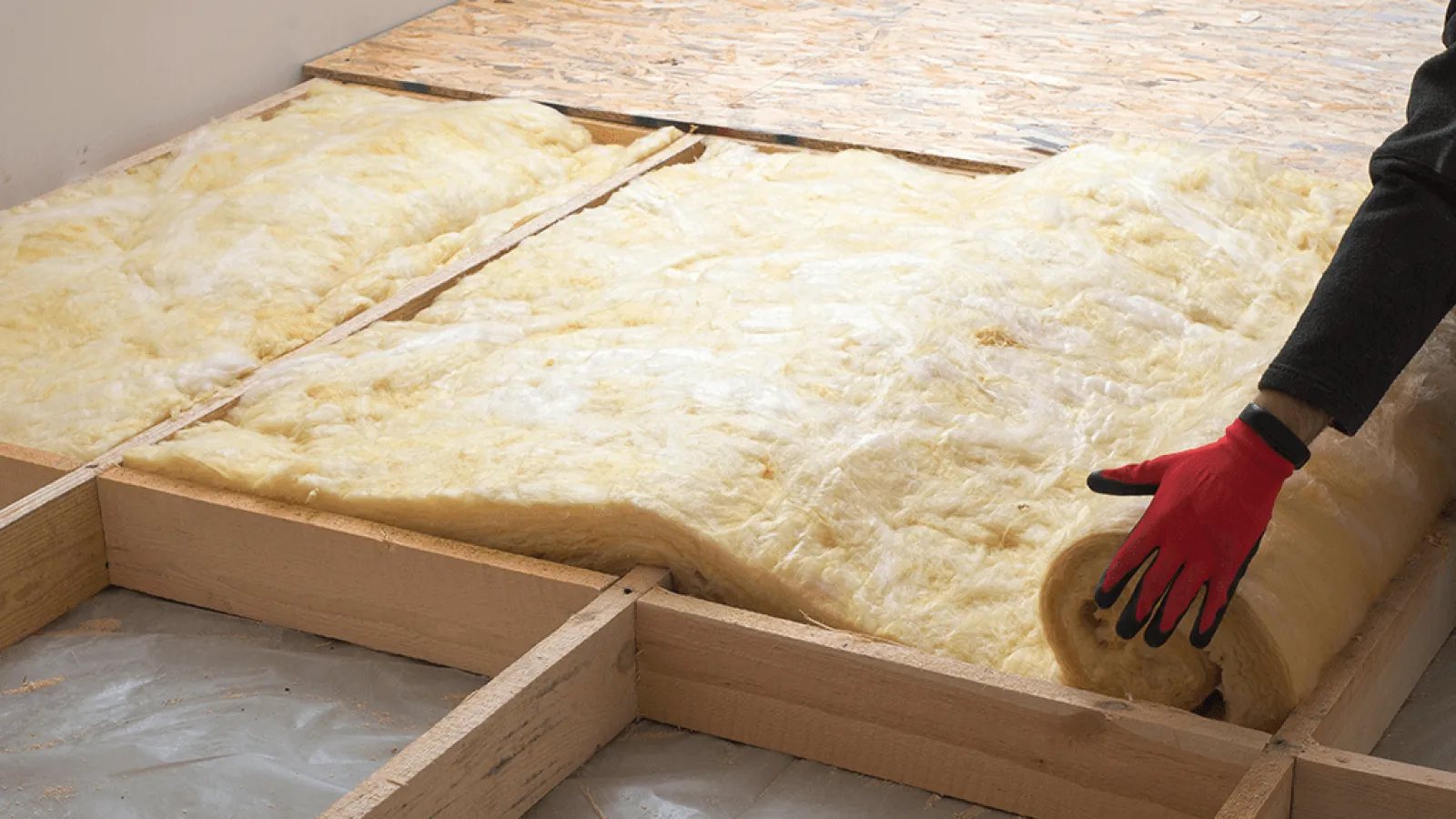

How Attic Insulation Impacts Your Heating and Air Conditioning System
Homeowners often use their attic for storage, but many overlook how it affects their heating and air conditioning system. If you notice warm or cool air leaking through your attic door, it may be reducing the efficiency of your heating and air systems.
During the summer, your air conditioning systems work hard to deliver cooled air throughout your home. In winter, your heating system keeps your space warm. However, when outdoor air enters through an under-insulated attic, it disrupts your indoor temperature and forces your system to work harder.
This leads to higher energy bills, reduced comfort, and increased strain on your HVAC equipment.
Why Attic Insulation Is Essential for Home Comfort
Proper attic insulation acts as a barrier between your home and external temperatures.
Instead of allowing outdoor heat or cold to enter, insulation helps your heating and cooling systems maintain a stable indoor environment. This means your home stays more comfortable without overworking your HVAC system.
Without proper insulation, your system may struggle to maintain temperature, leading to issues such as uneven airflow, rising utility bills, and inefficient performance.
Key Benefits of Attic Insulation
Lower Energy Bills and Long Term Savings
One of the main benefits of attic insulation is reduced energy consumption.
When your attic is properly insulated, your AC unit and heating system do not have to run continuously to maintain temperature. This results in:
- Lower monthly energy bills
- Reduced strain on HVAC equipment
- Improved long term energy efficiency
While there may be upfront installation costs, insulation provides consistent savings over time.
Reduced Strain on Your HVAC System
Your heating and air systems are designed to cycle on and off, not run constantly.
When insulation is insufficient, your system must compensate for temperature loss caused by outdoor air entering your home. This leads to:
- Increased wear on components such as the air handler and evaporator coil
- More frequent heating and air repairs
- Reduced system lifespan
Proper insulation allows your system to operate efficiently and reduces the need for costly repairs.
Improved Indoor Air Quality
Poor insulation can contribute to indoor air quality issues.
When outside air enters your attic, it often brings humidity and air pollutants into your home. This can create discomfort and impact your health.
Attic insulation helps:
- Improve indoor air quality
- Reduce excess humidity
- Prevent contaminated air from entering your living spaces
Explore indoor air quality solutions
Signs You May Need More Attic Insulation
If you are unsure whether to upgrade your insulation, look for these common signs:
- Hot or cold air leaking through your attic door
- Uneven temperatures between rooms
- Your system frequently blowing hot air when cooling or struggling to heat
- Rising utility bills without increased usage
- Difficulty cooling your home during summer months
These signs indicate your insulation may not be performing effectively.
How Attic Insulation Supports HVAC Efficiency
Your insulation works alongside your heating and air conditioning system to maintain comfort.
With proper insulation:
- Your indoor unit and outdoor units operate more efficiently
- Airflow through your system improves
- Your home maintains consistent temperature
- Your HVAC system uses less energy to perform
This creates a more home comfortable environment while supporting high efficiency performance.
Professional Attic Insulation Services in Atlanta
Investing in attic insulation services ensures your home is properly evaluated and insulated for optimal performance.
Estes Services provides expert insulation solutions designed to improve comfort, reduce energy costs, and support your HVAC system.
Our team evaluates:
- Current insulation levels
- Air leaks and attic airflow
- System performance and efficiency
- Overall home energy needs