
Are you looking to add an EV home charging station for your electric car? Since most EV charging happens at home, it is important to understand the proper location, charging level options, and safety considerations before moving forward with home charging installation.
This guide, prepared by our experienced and licensed electrical contractors, explains everything you need to know before installing a charger installed at your home.
It's That Easy; It's Estes.
Identify the Right Location for Your EV Charging Station
Your EV home charging installation begins by selecting the proper location.
Do you want your EV charging station inside the garage or outside your home?
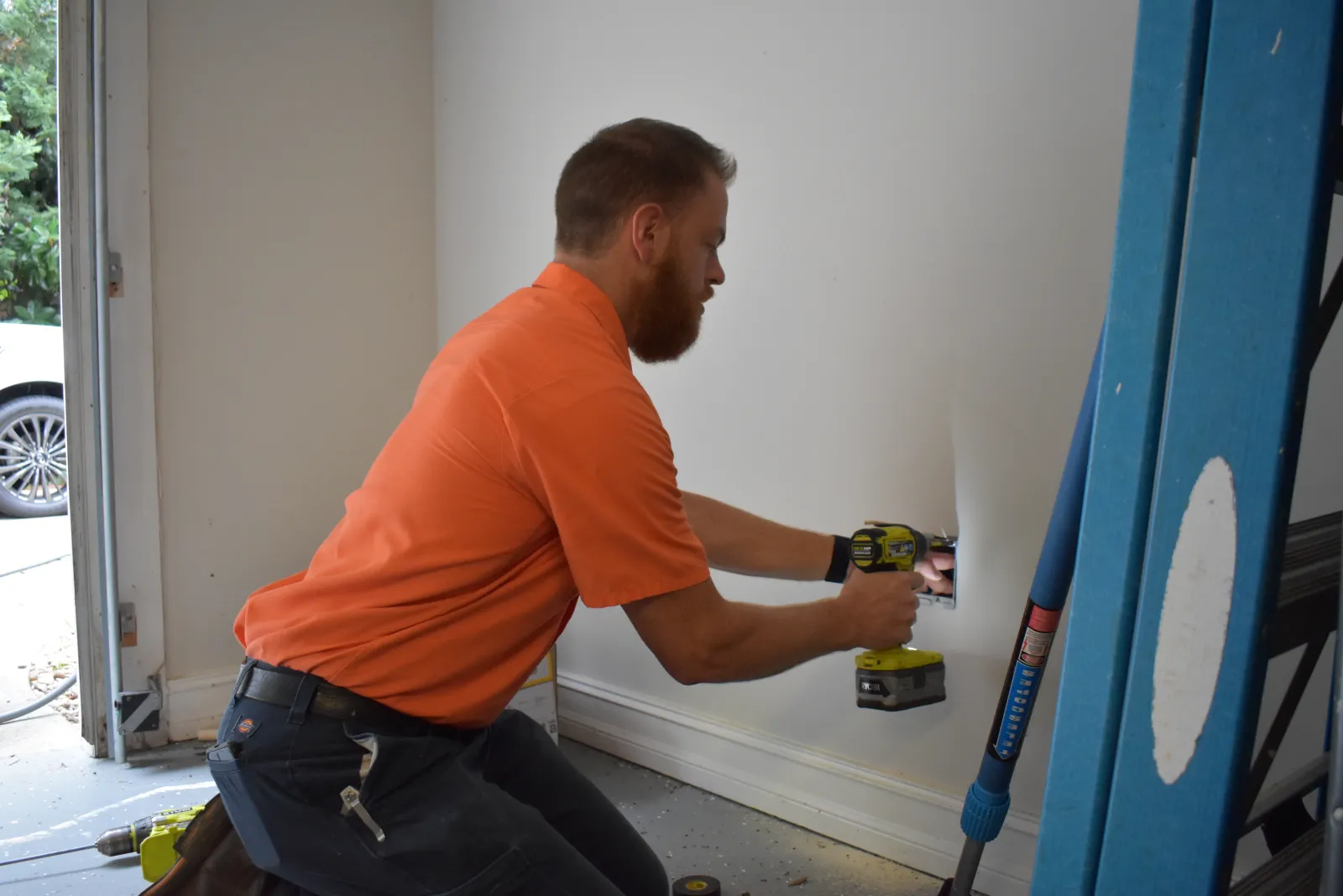
EV Home Charging Station Guide
Indoor Garage Installation
Installing your EV home charging station inside the garage protects it from weather exposure and helps extend the lifespan of EV batteries and charging equipment.
If you want flexibility, a Level 2 charging station allows for customizable cable lengths so your electric vehicle can be charged at home inside the garage or outside in the driveway.
Outdoor Installation
If installed outdoors, your EV charging station must be weatherproof and installed according to safety codes. Outdoor chargers may require protective enclosures and proper mounting to handle environmental exposure.
Consulting licensed electrical contractors ensures your home charging installation meets all safety requirements.
Decide Your Charging Level: Level 1 or Level 2
When it comes to EV charging at home, there are two main charging levels:
• Level 1 charging station
• Level 2 charging station
The primary difference is charging speed and power output.
Level 1 Charging Station
A Level 1 charging station uses a standard 120-volt household outlet. A Level 1 EV charger typically comes with your electric car at purchase.
How Level 1 Chargers Work
You plug your Level 1 EV charger into a regular outlet. This is the simplest and most cost-effective way to begin EV charging.
Limitations of Level 1 Charging
Level 1 chargers deliver approximately 4-5 miles of range per hour of charging.
An electric vehicle with a 150-mile range may take around 30 hours to reach a full charge using Level 1 charging.
For many EV owners, Level 1 is best suited for plug-in hybrids or occasional use.
Level 2 Charging Station
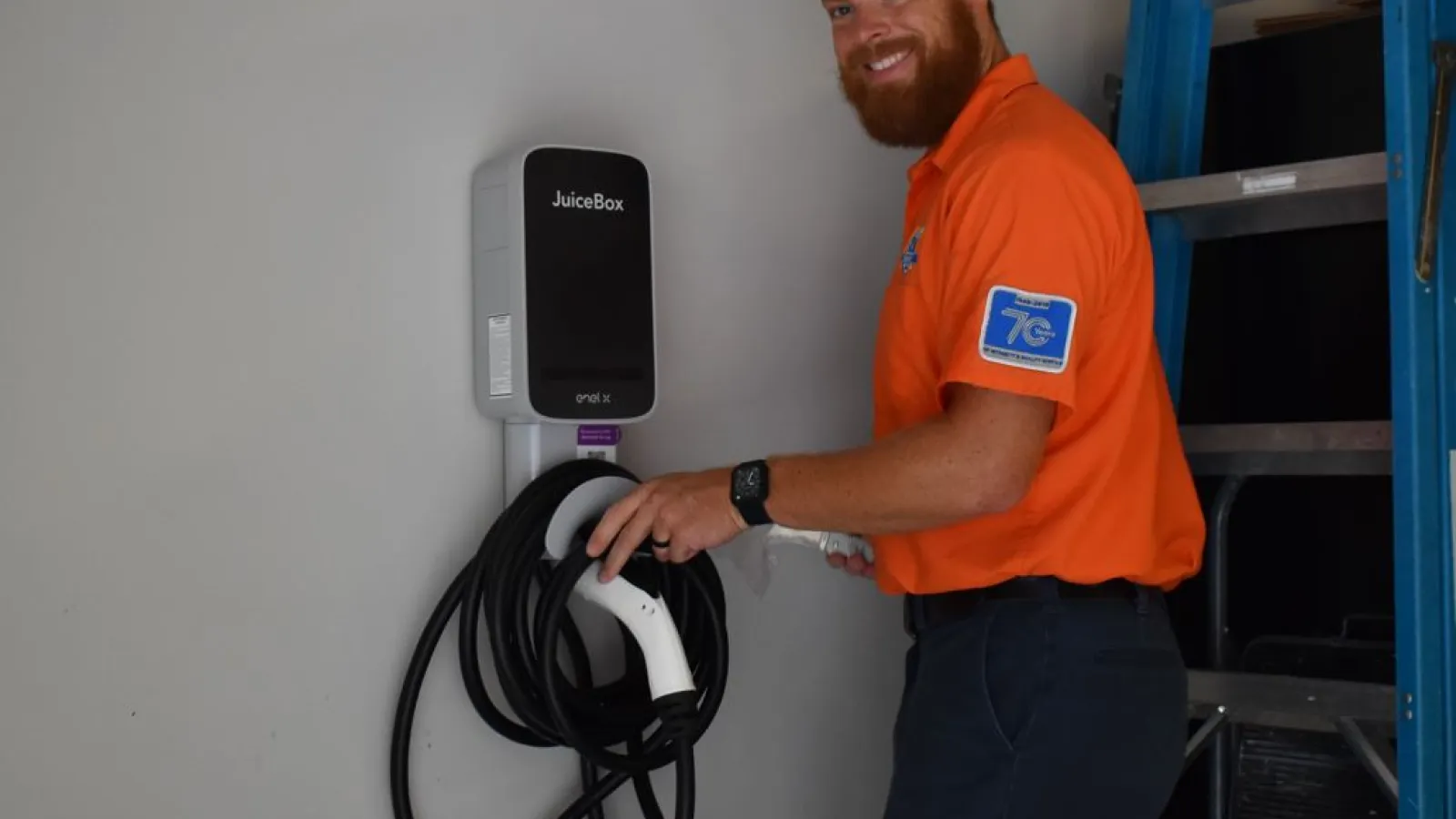
A Level 2 charging station uses a 240-volt circuit and typically requires professional home charging installation.
A Level 2 EV charger delivers significantly higher power output compared to Level 1 chargers.
Benefits of Level 2 EV Chargers
• Approximately 20-25 miles of range per hour
• Faster full charge times
• Greater convenience for daily EV drivers
• Improved long-term charging infrastructure at home
Level 2 chargers are ideal for electric vehicles EVs that are driven daily and need to be fully charged overnight.
Unlike Level 3 chargers (also called DC fast charger systems), which are found at public charging stations and can charge a vehicle in 30 minutes, Level 2 charging is designed for residential use.
While Level 2 chargers have a higher upfront cost, they offer better performance and convenience for EV owners.
Why Professional Installation Is Important
No matter the charging level you choose, professional installation is critical.
Improper wiring can lead to:
• Fire hazards
• Electrical shock
• Overloaded panels
• Damage to EV batteries
Licensed electrical contractors will:
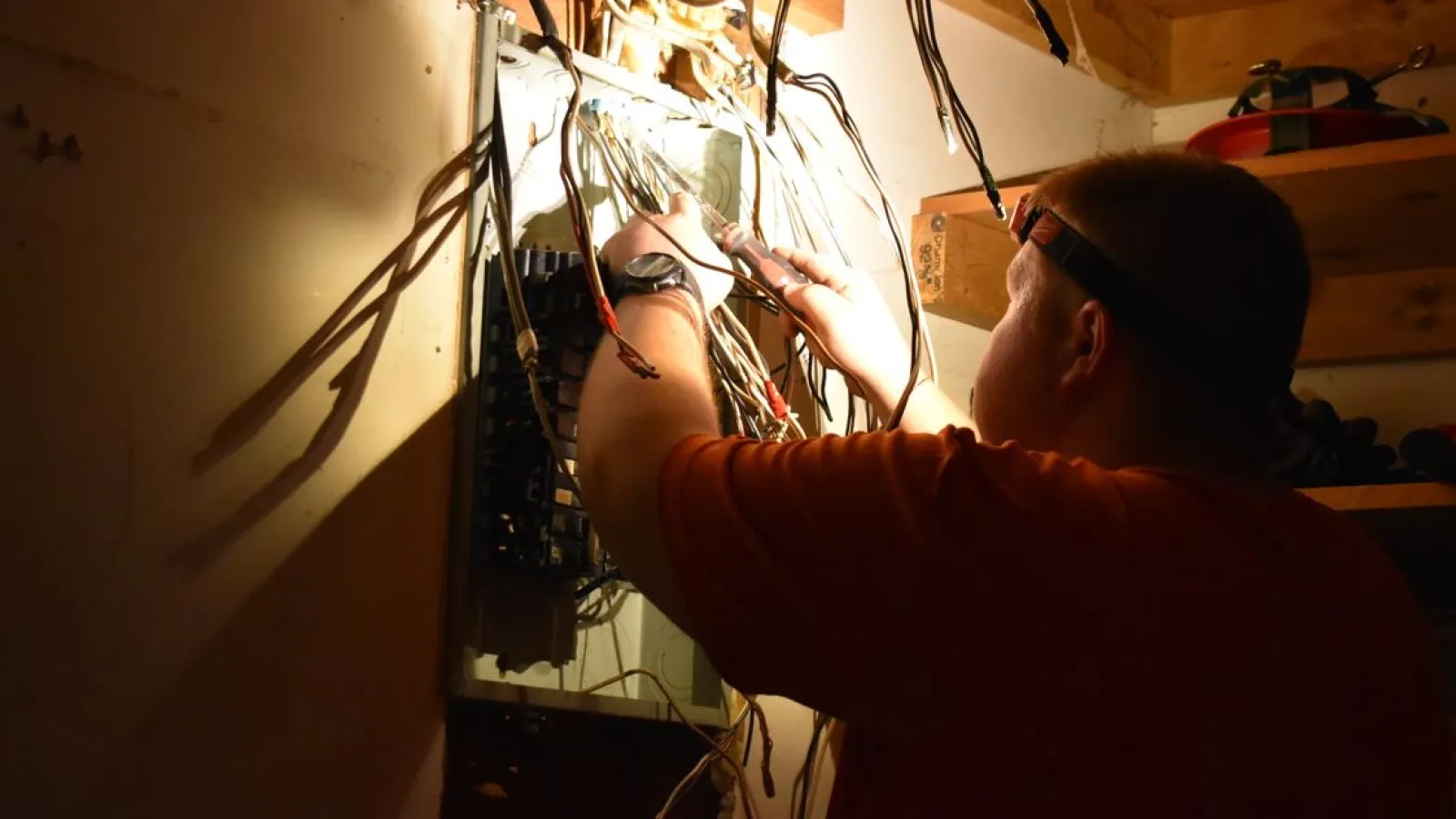
• Inspect your electrical panel
• Verify electrical capacity
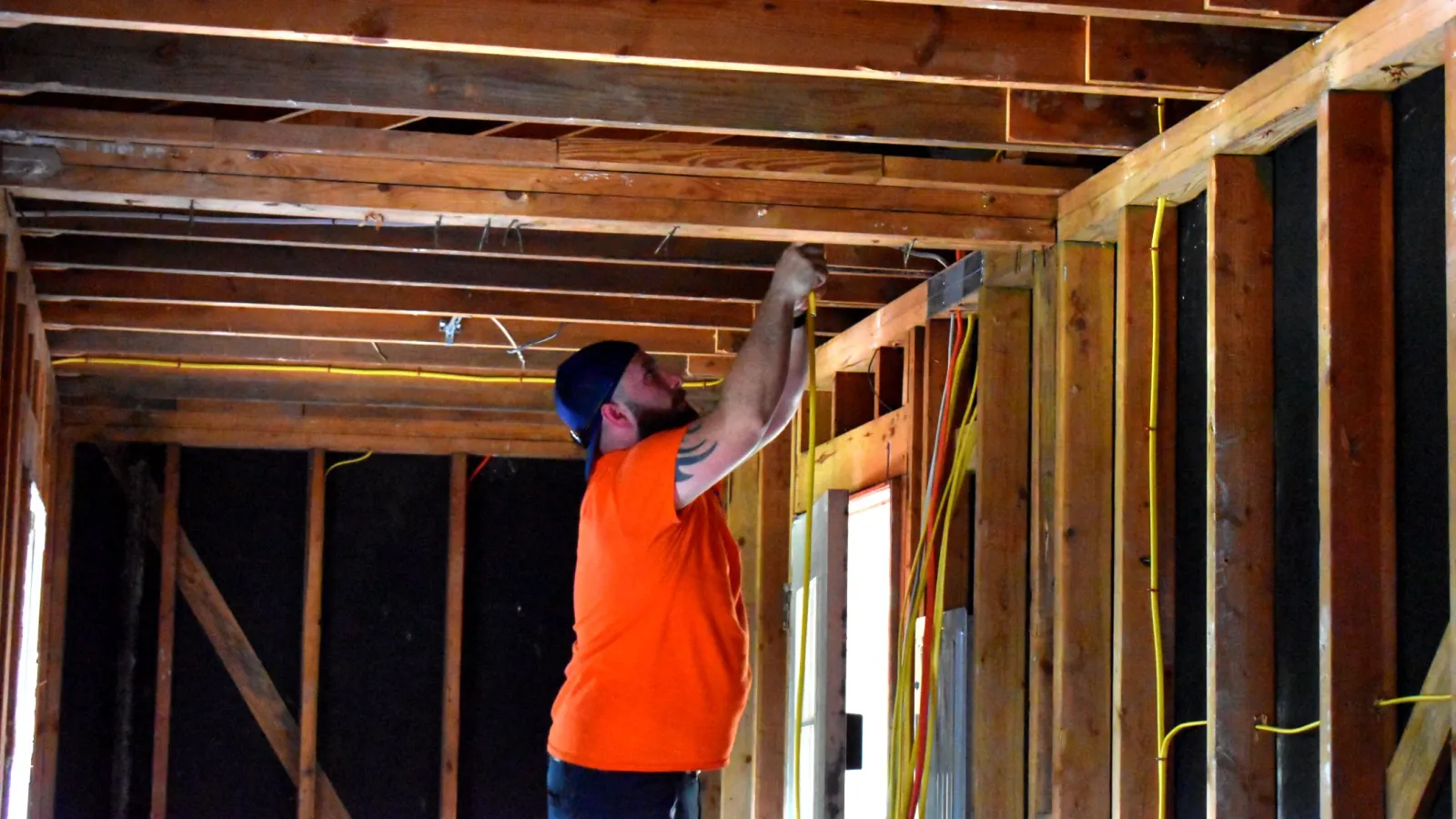
• Install a dedicated circuit if required
• Ensure proper grounding
• Confirm code compliance
• Test charging ports and system safety
A Level 2 EV charger installation is not a DIY project. It requires proper wiring, correct breaker sizing, and safe power level configuration.
Get Expert EV Charging Installation with Estes Services
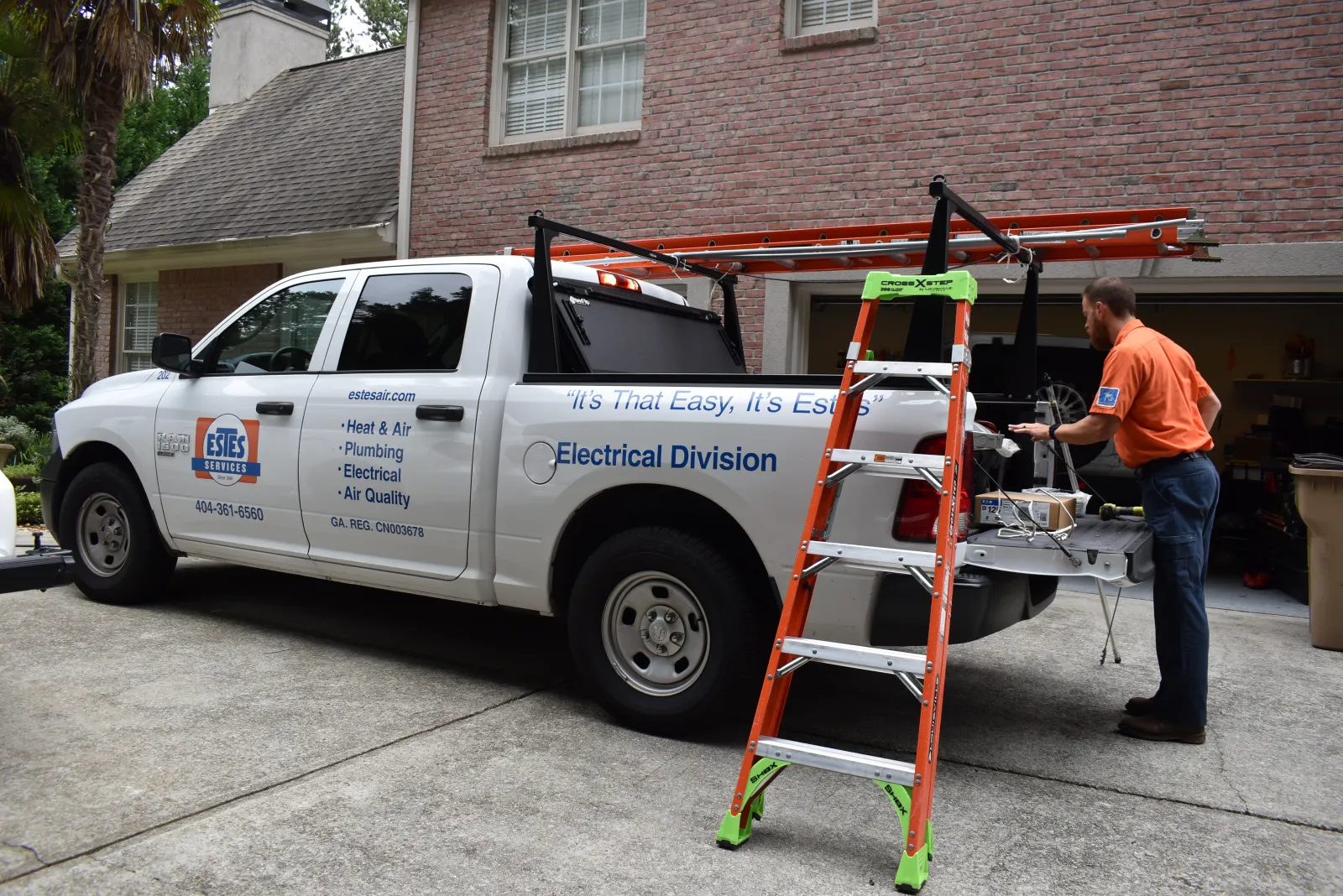
Our licensed electrical contractors at Estes Services help homeowners throughout the greater Atlanta area install safe and efficient EV charging solutions.
Whether you choose a Level 1 charging station or a Level 2 charging station, our team ensures your charger installed meets safety standards and performance expectations.
We proudly serve Alpharetta, Buckhead, Decatur, Dunwoody, Fayetteville, Johns Creek, Kennesaw, Marietta, Midtown, Peachtree City, Roswell, Sandy Springs, and Virginia Highland.
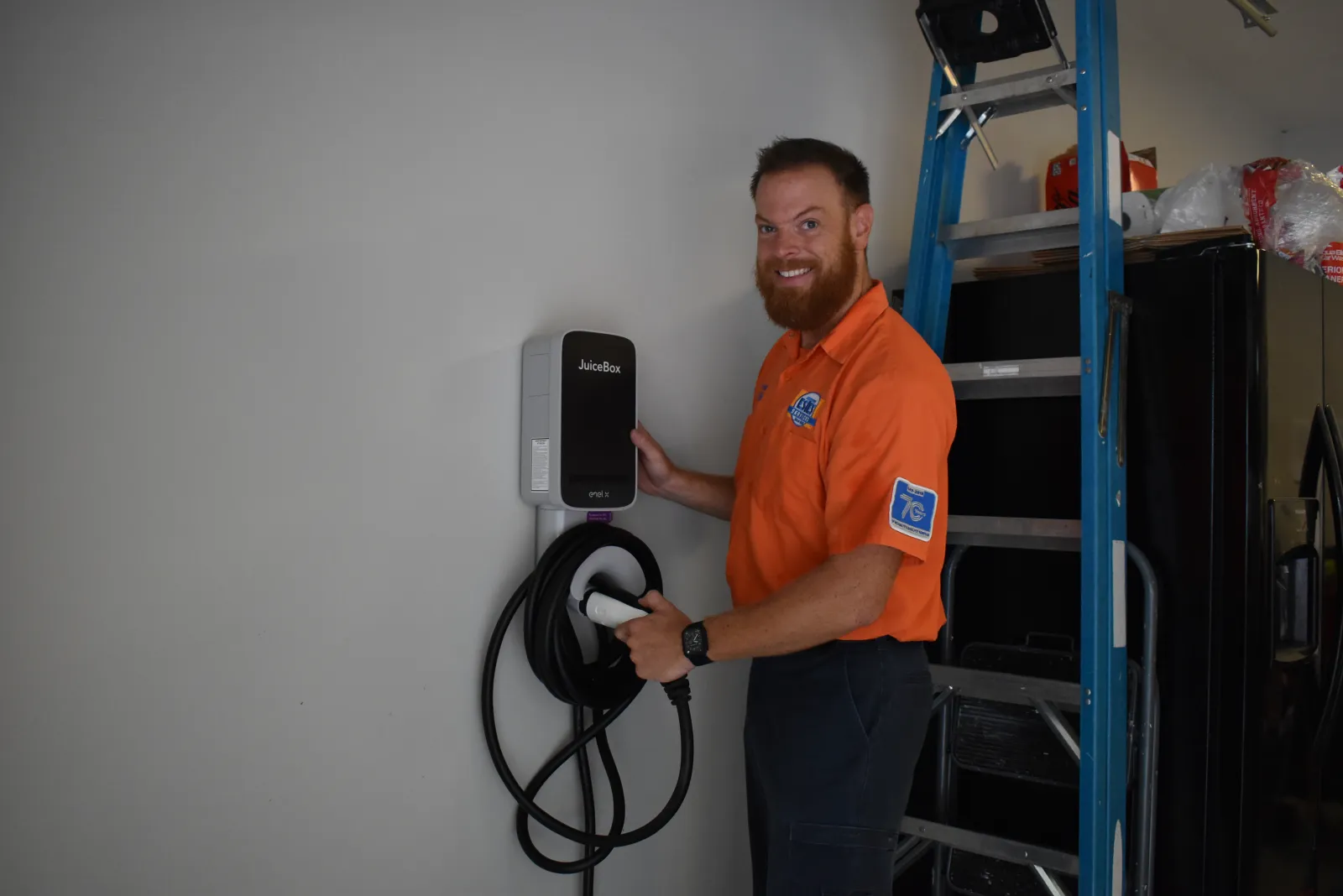
Frequently Asked Questions About EV Home Charging Stations
What is the difference between a Level 1 charging station and a Level 2 charging station?
A Level 1 charging station uses a standard 120-volt outlet and charges slowly. A Level 2 charging station uses a 240-volt circuit and charges much faster. Level 2 EV chargers are ideal for daily EV drivers who want their electric car fully charged overnight.
Do I need a licensed electrician for EV home charging installation?
Yes. Licensed electrical contractors ensure safe wiring, correct breaker sizing, and proper power output. Professional installation protects your home and your electric vehicle.
How long does it take to fully charge an electric car at home?
With a Level 1 EV charger, a full charge can take 24-30 hours depending on battery size. A Level 2 EV charger typically delivers a full charge overnight in 6-8 hours.
Are Level 3 chargers available for home use?
Level 3 chargers, also known as DC fast charger systems, are typically found at public charging stations. They can charge an electric vehicle in about 30 minutes but are not designed for residential installation.
Is it better to charge at home or use public charging stations?
Most EV owners prefer charging at home because it is convenient and often more cost-effective depending on electricity rates. Public charging stations are helpful for long trips.
Will installing a Level 2 EV charger increase my electricity bill?
EV charging does increase electricity usage, but many homeowners save money compared to fuel costs. Off-peak electricity rates may reduce long-term expenses.
Can my existing electrical panel support a Level 2 EV charger?
Some homes require panel upgrades to support the higher power level of Level 2 chargers. A licensed electrician will evaluate your system before installation.