
If your circuit breaker keeps tripping, your home is warning you. An overloaded circuit is one of the most common issues in a home electrical wiring system, especially in older homes.
Ignoring these electrical warning signs can lead to serious problems, including damage to your electrical system and increased fire risks.
Homeowners often notice tripping breakers, flickering lights, or unusual heat near outlets. In this guide, we explain the signs of an overloaded circuit, what causes it, and when to call a professional.
Common Signs of an Overloaded Circuit
Burning Smells or Odors
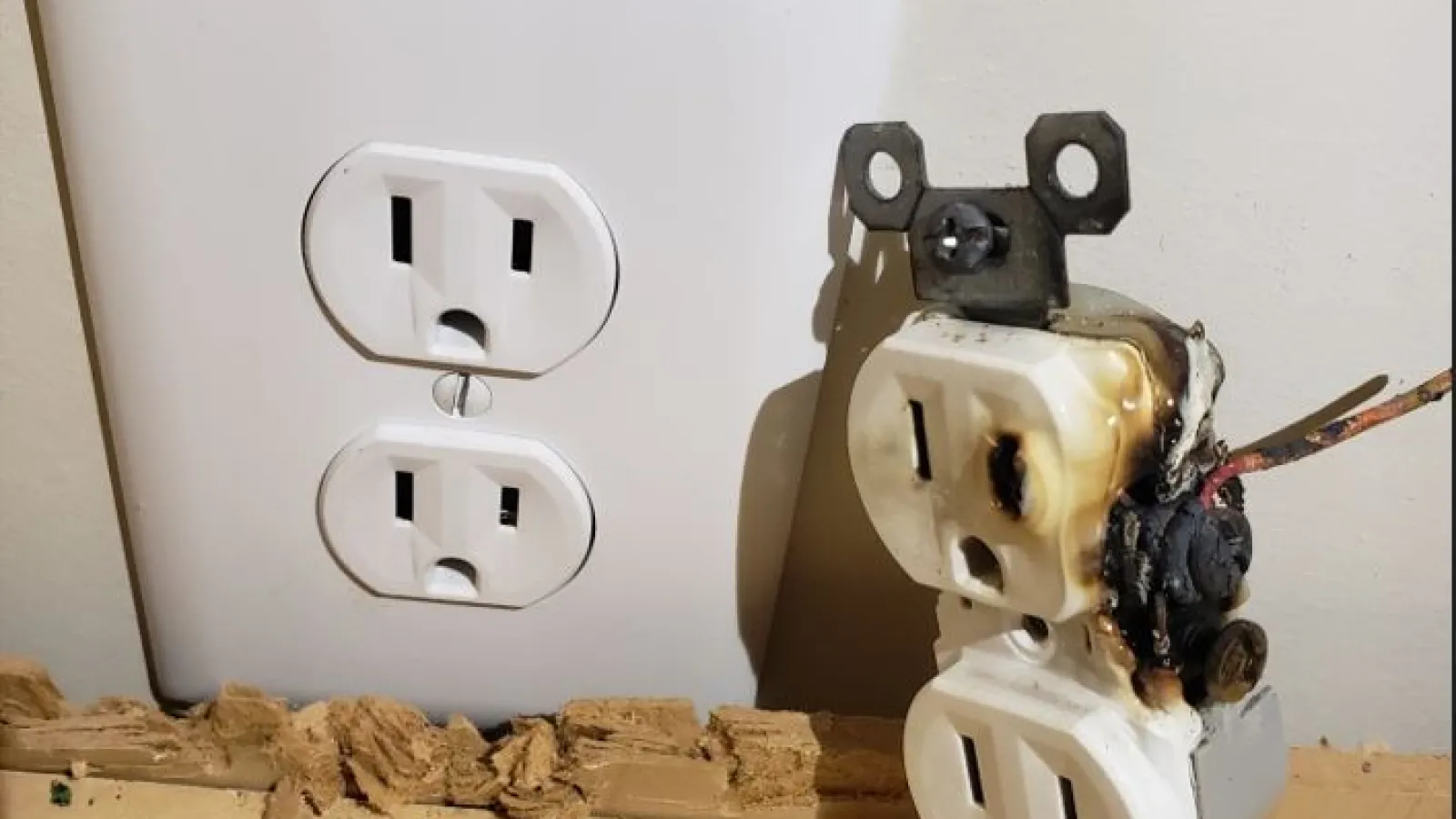
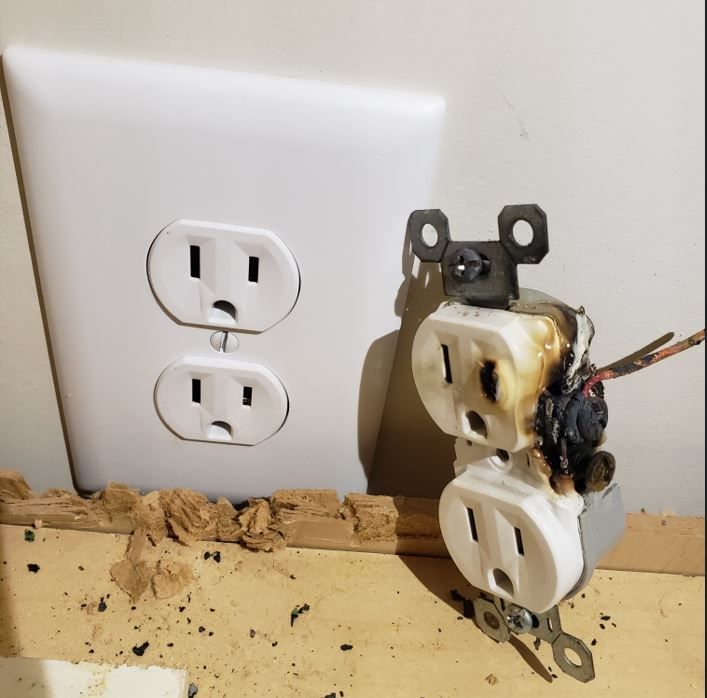
A burning smell from outlets, walls, or your circuit breaker box is a serious warning sign.
When electrical wires carry too much electric power, they overheat. This can damage insulation and create a sharp odor.
This situation can quickly become a fire hazard. If you notice this smell, stop using the circuit and contact a professional immediately.
Warm Walls or Electrical Wall Plates
Warm or hot areas around outlets, electrical wall plates, or light switches often indicate an overloaded circuit.
You may also see discoloration or damage near an electrical box. This means heat is building up behind the walls.
Heat buildup is never normal and should be checked right away.
Flickering Lights
Flickering lights are a common sign that your electrical circuits are under stress.
When too many devices draw power from one circuit panel, the system cannot distribute energy evenly. This can cause lights to dim or flicker, especially when large appliances turn on.
This issue often affects light fixtures connected to overloaded circuits.
Mild Electrical Shocks
If you feel a mild shock when touching appliances or metal surfaces, your system may have grounding issues.
This can happen when a neutral wire or ground wire is not working correctly. Electricity may flow where it should not.
This is a serious safety concern and should be addressed immediately by a licensed electrician.
Frequent Circuit Breaker Trips
Frequent circuit breaker trips are the clearest sign of an overloaded system.
Circuit breakers act as safety devices. They shut off power when a circuit draws more energy than it can handle.
If you constantly need to reset the breaker, your system may not support your current energy needs.
In many cases, a circuit panel or full electrical panel upgrade is required.
Learn more about upgrading your panel
Why Overloaded Circuits Are Common in Older Homes
Older homes were not designed for today's energy demands. Modern appliances, HVAC systems, and electronics require more power than older systems can handle.
Outdated circuit breakers, aging wiring, and undersized panels increase the risk of overload.
This can lead to:
- Frequent breaker trips
- Overheating wires
- Higher energy bills
- Increased fire hazards
Updating your system improves safety and supports better energy efficiency.
What Causes a Circuit Breaker to Trip?
A circuit breaker tripping is usually caused by one of the following:
- An overloaded circuit with too many devices
- A short circuit caused by damaged wires
- A ground fault detected by a ground fault circuit interrupter (GFCI)
- Loose or damaged electrical connections
Each of these issues affects how your home's electricity flows through the system.
What to Do If Your Circuit Breaker Keeps Tripping
Resetting the breaker is only a temporary fix. If the problem continues, it means your system is under stress.
Instead of repeatedly resetting the breaker, you should:
- Reduce the number of devices on the circuit
- Avoid using high-power appliances on the same line
- Schedule a professional inspection
A licensed electrician can:
- Inspect your circuit breaker box
- Evaluate your home electrical wiring system
- Identify damaged or overloaded electrical wires
- Recommend repairs or upgrades
Explore Estes Services electrical solutions
Electrical Panel Upgrades and Safety
An electrical panel upgrade improves how your home handles power.
A modern panel:
- Supports higher energy demand
- Improves system safety
- Reduces overload risks
- Protects against electrical fires
Upgrading your panel is one of the most effective ways to prevent recurring issues with tripping breakers.
What to Do If Your Circuit Breaker Keeps Tripping
Temporary fixes won't solve an overloaded circuit. Repeatedly resetting the breaker without addressing the root cause can make the problem worse.
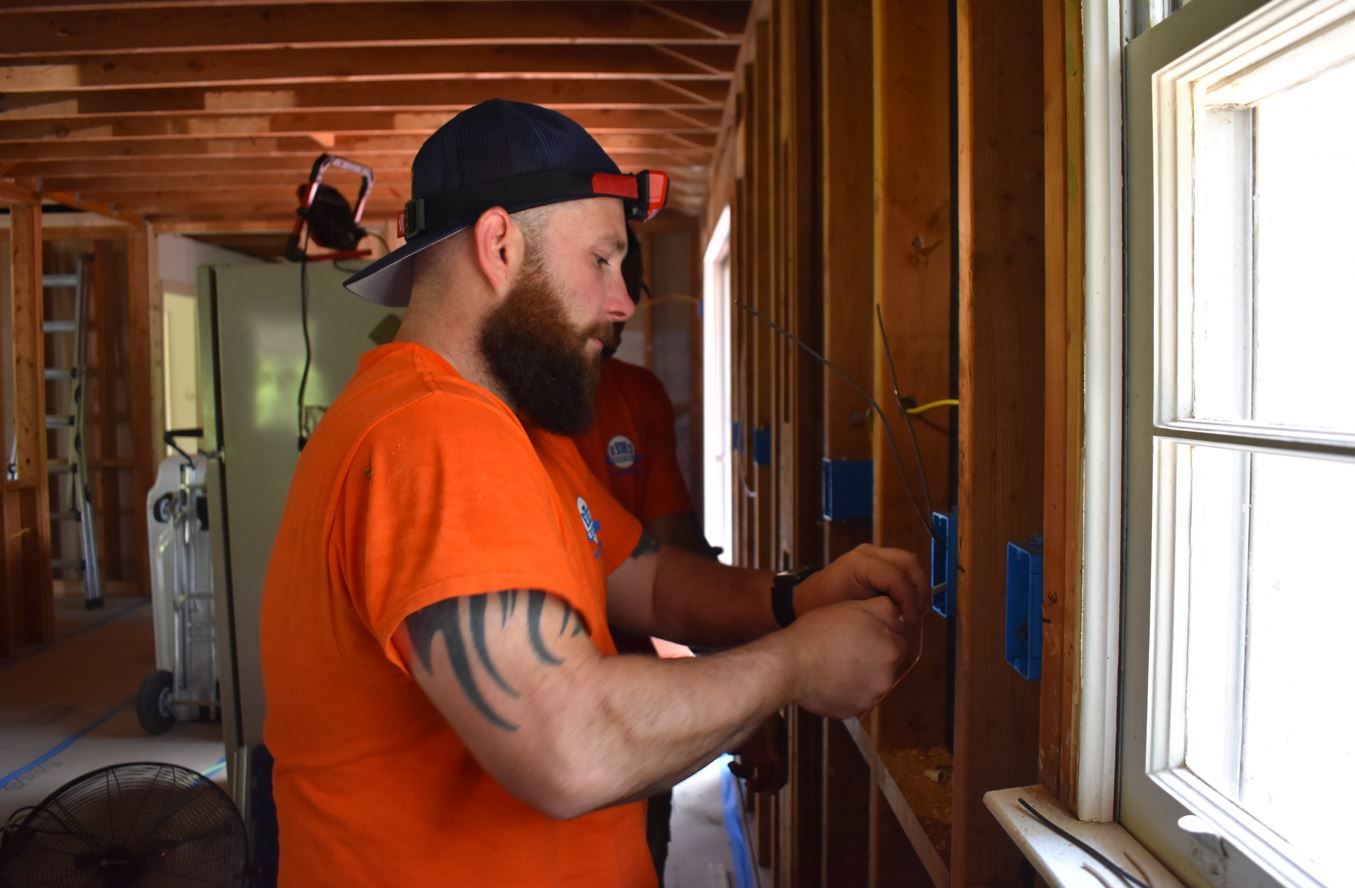
A licensed electrician can:
Inspect your electrical panel and circuit breaker box
Identify loose connections or damaged wiring
Evaluate your electrical load and wiring system
Recommend repairs or upgrades to protect your home
Explore Estes Services electrical solutions
Fix Overloaded Circuit Issues with Estes Services
At Estes Services, we help homeowners recognize electrical warning signs early—before they turn into costly or dangerous problems. Understanding the symptoms of an overloaded circuit allows you to act quickly and protect your home.
Our licensed electrical contractors at Estes Services will help you upgrade the proper electrical system for your home and lifestyle needs. We service the greater Atlanta area, including Alpharetta, Buckhead, Decatur, Druid Hills, Dunwoody, Fayetteville, Johns Creek, Kennesaw, Marietta, Midtown, Peachtree City, Roswell, Sandy Springs, and Virginia Highland.If your circuit breaker keeps tripping, walls feel warm, or you notice burning odors, don't wait.
Schedule service today and let a professional electrician ensure your home's electrical system is safe and reliable.
It's That Easy; It's Estes.